
Reverse Lunge
The dumbbell reverse lunge is a step-back lunge where you hold a weight in each hand and work one leg at a time. It builds strength and muscle in the quadriceps and glutes, with help from the hamstrings and calves. Stepping backwards is easier to control than stepping forwards, so it suits beginners as well as experienced lifters.
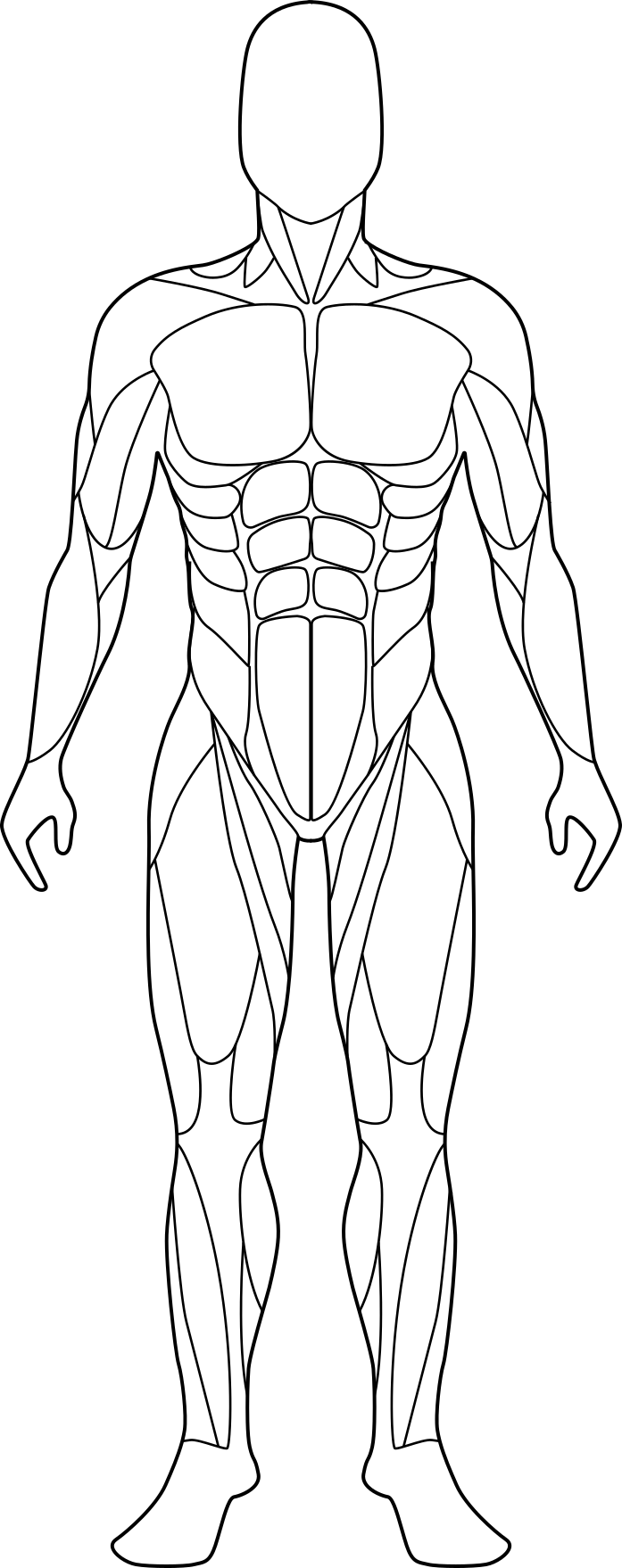
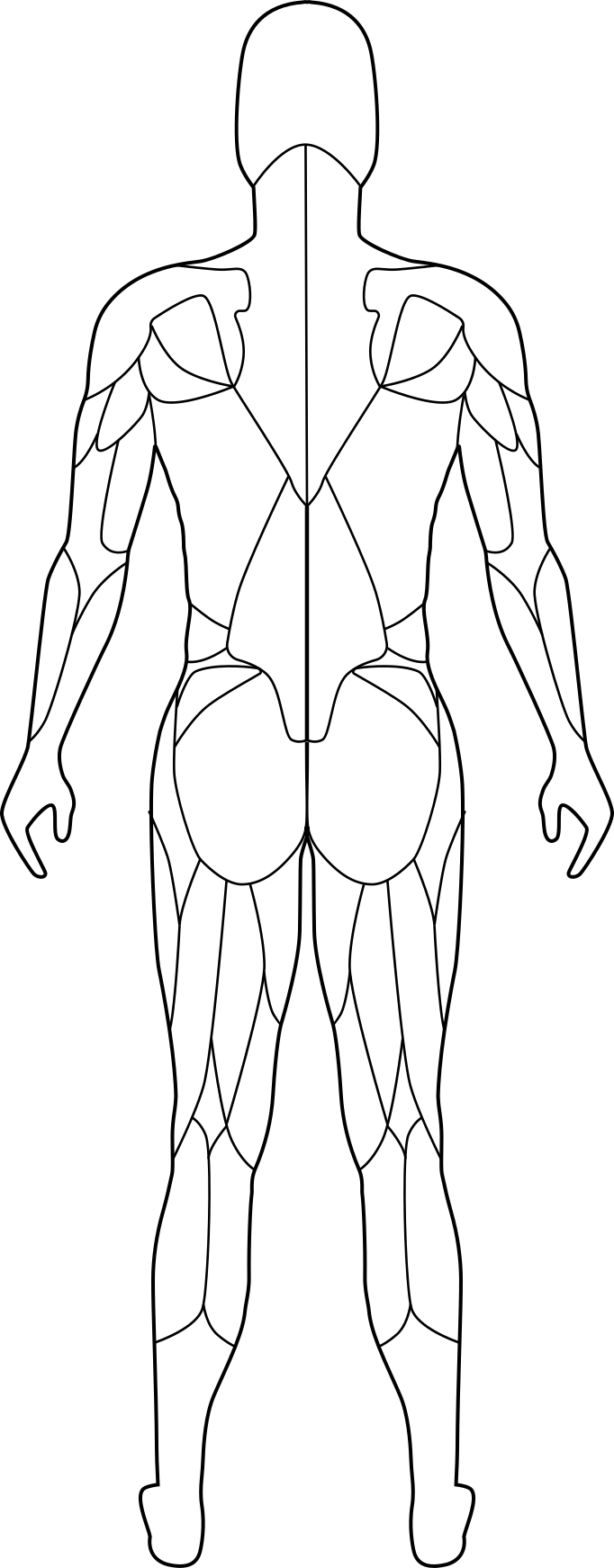
Muscles worked
The Reverse Lunge mainly works your quadriceps and glutes, with your hamstrings and calves helping.


Setting up
- Pick a pair of light dumbbells you can hold comfortably for the whole set. Start with 2-6 kg in each hand, or no weight at all while you learn the movement.
- Stand tall with your feet about hip-width apart, arms hanging by your sides and the dumbbells resting beside your thighs.
- Clear about a metre of space behind you and look at a fixed point ahead. Wear flat, stable trainers.
- Take a breath in and brace your stomach as if you were about to be nudged, with your chest up and ribs pulled down.
How to do the Reverse Lunge
- Stand tall with a dumbbell in each hand and your weight spread evenly across your whole foot.
- Take a controlled step backwards with one leg, placing the ball of that foot down first with your heel lifted.
- Lower straight down by bending both knees until your back knee hovers just above the floor, or lightly touches it. Your front shin should stay roughly upright.
- Keep most of your weight (around 70-80%) on your front foot, with your chest up and the dumbbells hanging at your sides.
- Press through the whole of your front foot to drive yourself up and bring your back foot forward to meet it.
- Stand fully tall and squeeze your glutes at the top, pausing for a moment to get your balance.
- Repeat on the other leg, alternating sides for the full set.
Form tips
- Think of lowering straight down rather than leaning back. Your torso stays tall and your hips drop between your feet.
- Push through the middle of your front foot and keep your heel pressed down. You should feel the front thigh and glute doing the work.
- Step back far enough that your front shin is close to vertical at the bottom. Too short a step loads the front knee, and too long makes you wobble.
- Keep your back foot in line with your hip, not on a tightrope, so you stay stable. Imagine you are on train tracks rather than a balance beam.
- Drive up with power but come down with control. Take about two seconds to lower, and pause briefly at the top before the next rep.
Common mistakes
Front heel lifting off the floor
Your weight has drifted onto your toes. Shift it back towards your heel and the middle of your foot, and take a slightly longer step back.
Leaning forward or rounding the chest
Lift your chest, keep your ribs down and look straight ahead. If the dumbbells are pulling you forward, drop to a lighter pair.
Crashing the back knee into the floor
Control the descent and stop just before the floor, or tap it lightly. Resting your weight on the floor means the working leg isn't doing the job.
Pushing off the back foot
The back leg is there for balance, not power. Drive up through your front foot, and keep your back toes lightly in contact with the floor.
Sets and reps
| Build strength | 3-5 sets of 5-8 reps per leg with a challenging weight, resting 2-3 minutes between sets. |
|---|---|
| Build muscle | 3-4 sets of 8-12 reps per leg, resting 60-90 seconds between sets. |
| Fat loss and general fitness | 2-3 sets of 12-15 reps per leg with a lighter weight, resting 45-60 seconds, as part of a full-body session. |
Pick a weight where the last rep or two of each set is hard but your form stays clean. When every set feels easy, it's time to go up.
Reverse Lunge alternatives
Machine taken, or want some variety? These work the same main muscles.
Reverse Lunge FAQs
Are reverse lunges better than forward lunges?
Neither is better, they just feel different. Many people find reverse lunges easier to balance and control because you step back and your front foot stays planted. If you have knee discomfort, stop and get it checked.
What muscles do dumbbell reverse lunges work?
They mainly work the quadriceps and glutes of the front leg. The hamstrings and calves help to stabilise and drive you back up.
How heavy should the dumbbells be for reverse lunges?
Start with no weight or a light pair, around 2-6 kg in each hand, and focus on balance and a controlled lowering. Add weight only when you can complete all your reps on both legs with good form. The last couple of reps should feel hard but never sloppy.
Track your Reverse Lunge progress
GymTracker builds your plan, pre-fills the weight from last time and tells you when to go up. Free.
Start free