
Kettlebell Pistol Squat
The kettlebell pistol squat is a squat on one leg, with a kettlebell held at your chest to help you balance. It builds strength in your quads and glutes, and trains balance and control through the full range of the squat. It suits confident lifters who already squat well on two legs, and beginners can work towards it using the easier options below.
Muscles worked
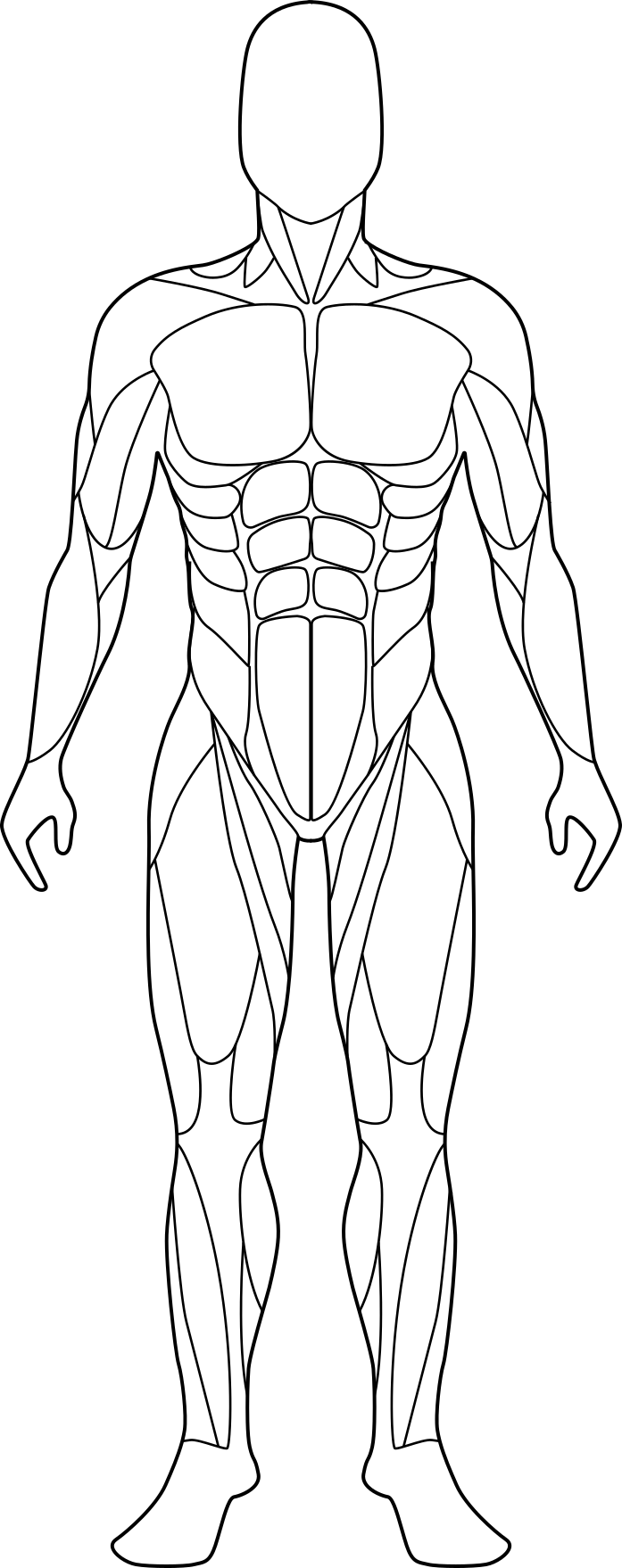
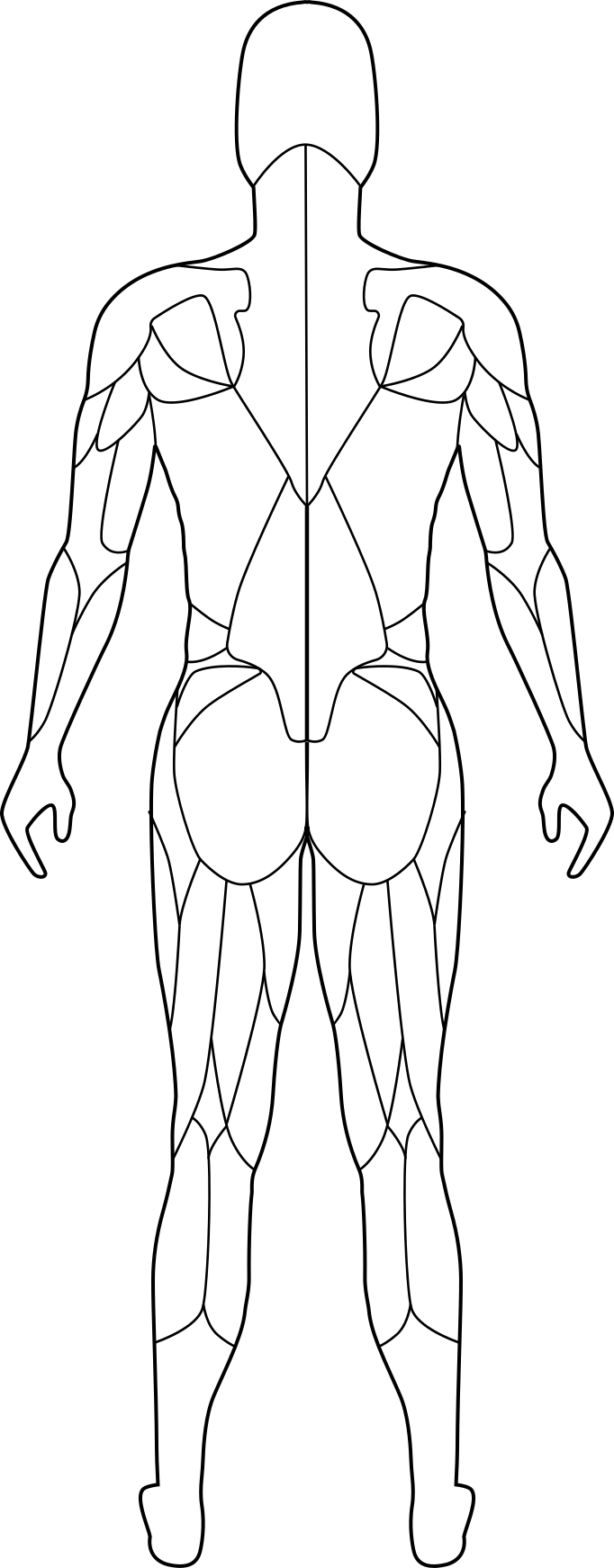
The Kettlebell Pistol Squat mainly works your quadriceps and glutes, with your hamstrings and abs helping.


Setting up
- Choose a light kettlebell to start, such as 4-8 kg. Hold it by the horns (the sides of the handle) with both hands, just under your chin, elbows tucked in close to your ribs.
- Stand on a flat, non-slip surface in flat-soled trainers, or barefoot if your gym allows it. Keep your feet roughly hip-width apart.
- Stand next to a rack, post or bench you can reach for if you need a steadying hand. This is useful while you learn the movement.
- Take your weight onto one foot with your toes pointing forward or turned out slightly. Lift the other leg a few inches off the floor in front of you.
How to do the Kettlebell Pistol Squat
- Stand tall on one leg with the kettlebell held under your chin. Squeeze your abs gently as if you are about to be nudged in the stomach.
- Reach your free leg out in front of you, keeping it straight and off the floor. Hold it there for the whole rep.
- Start to sit back and down by pushing your hips behind you, then let your knee bend. Keep your whole standing foot flat on the floor.
- Keep lowering under control, with your chest up and the kettlebell close to your body. The weight in front of you acts as a counterbalance. Go as deep as you can while staying balanced and in control.
- Pause briefly at the bottom without dropping or bouncing.
- Push through the whole foot, especially the heel, and squeeze your glutes to stand back up. Your raised leg should not touch the floor at any point.
- Finish all your reps on one leg, then swap sides.
Form tips
- Think about sitting your hips back and down, not just folding forward. This keeps the kettlebell over your standing foot.
- Keep your knee tracking in line with your middle toes. Don't let it cave inwards as you go down or come up.
- Hold the kettlebell tight against your chest. If it drifts away from you, it will pull you off balance.
- Lower more slowly than you stand up. Taking 2-3 seconds on the way down gives you more control and makes the rep more effective.
- Start with a box or bench. Sit down to it on one leg, touch lightly and stand back up, then lower the box height over time.
Common mistakes
Dropping into the bottom
Slow the lowering phase right down. If you can't control it, use a box or bench to sit back onto, or only go as deep as you can control.
Heel lifting off the floor
Keep your whole foot planted and think about pushing the floor away through your heel. If your heel still lifts, place a small plate or wedge under it while you build your range of movement.
Knee collapsing inwards
Actively push your knee out in line with your toes and squeeze your glute on the standing leg. Reduce the depth or the weight until you can do this on every rep.
Raised leg touching the floor to help
Reach your free leg out in front and keep it straight and lifted. If it keeps dropping, use a shallower range or a support for balance until your strength improves.
Sets and reps
| Build strength | 3-5 sets of 3-5 reps per leg with a challenging but controlled kettlebell, resting 2-3 minutes between sets. |
|---|---|
| Build muscle | 3-4 sets of 6-10 reps per leg, resting 60-90 seconds between sets. Use a weight that leaves you 1-2 reps short of failure. |
| Fat loss and general fitness | 2-3 sets of 8-10 reps per leg with a light kettlebell, resting 45-60 seconds. Use this as part of a full-body plan, not on its own. |
Pick a weight where the last rep or two of each set is hard but your form stays clean. When every set feels easy, it's time to go up.
Kettlebell Pistol Squat alternatives
Machine taken, or want some variety? These work the same main muscles.
Kettlebell Pistol Squat FAQs
Is the pistol squat good for beginners?
It is a demanding move, so most beginners should build up to it. Start with box squats on two legs, then single-leg sit-downs to a bench, and use a support if you need one. If you feel any pain, stop and get it checked.
Why does holding a kettlebell make the pistol squat easier?
Holding the weight in front of you moves your centre of gravity forward, which counterbalances your hips sitting back. This makes it easier to stay upright and balanced. Keep the kettlebell light so it helps rather than overloads the movement.
What muscles does the kettlebell pistol squat work?
It mainly works your quadriceps and glutes. Your hamstrings help you control the movement, and your abs work to keep your body steady and upright. Balance and control on one leg are a big part of the challenge.
Track your Kettlebell Pistol Squat progress
GymTracker builds your plan, pre-fills the weight from last time and tells you when to go up. Free.
Start free