
Kettlebell Front Squat
The kettlebell front squat is a squat where you hold a kettlebell in each hand at chest height, in the rack position. It builds strong quads and glutes, and holding the weight in front of you makes your abs work to keep you upright. It suits beginners and anyone who finds a barbell front squat awkward on the wrists or shoulders, because the bells sit more naturally against your arms.
Muscles worked
The Kettlebell Front Squat mainly works your quadriceps and glutes, with your abs and anterior delts helping.
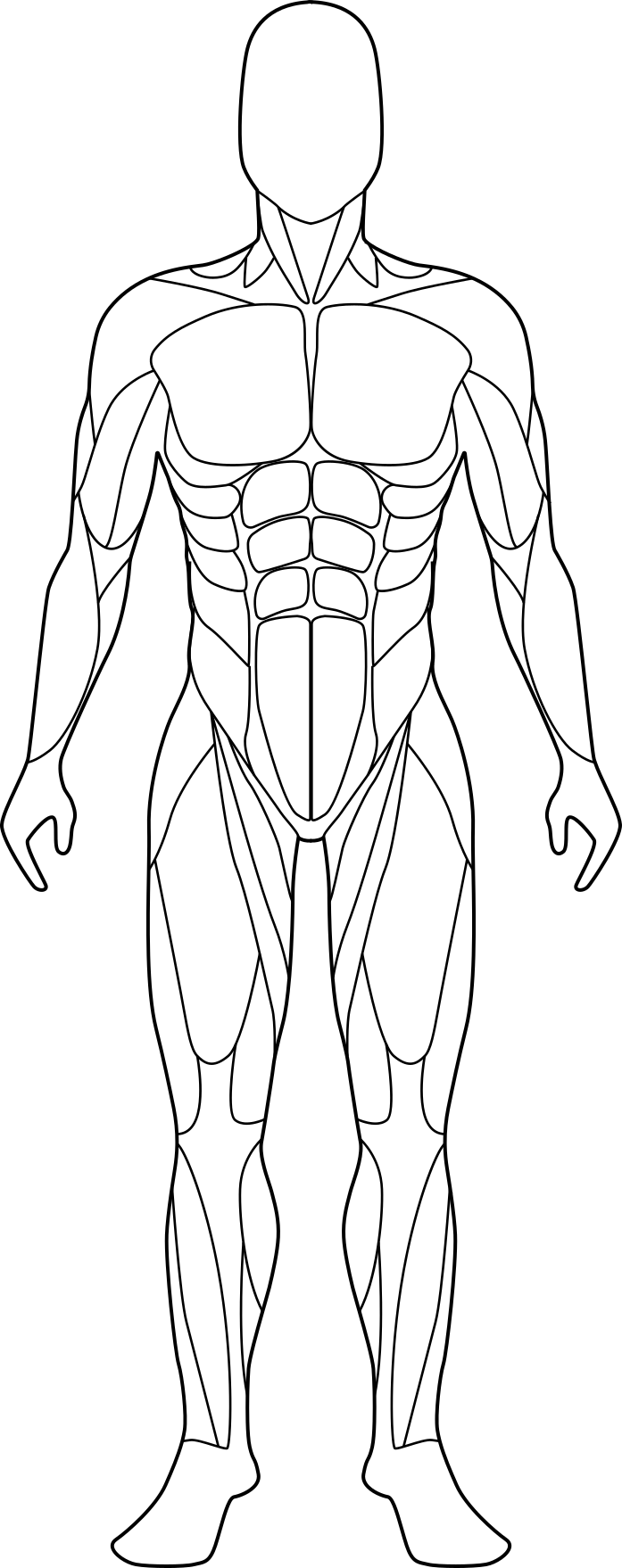

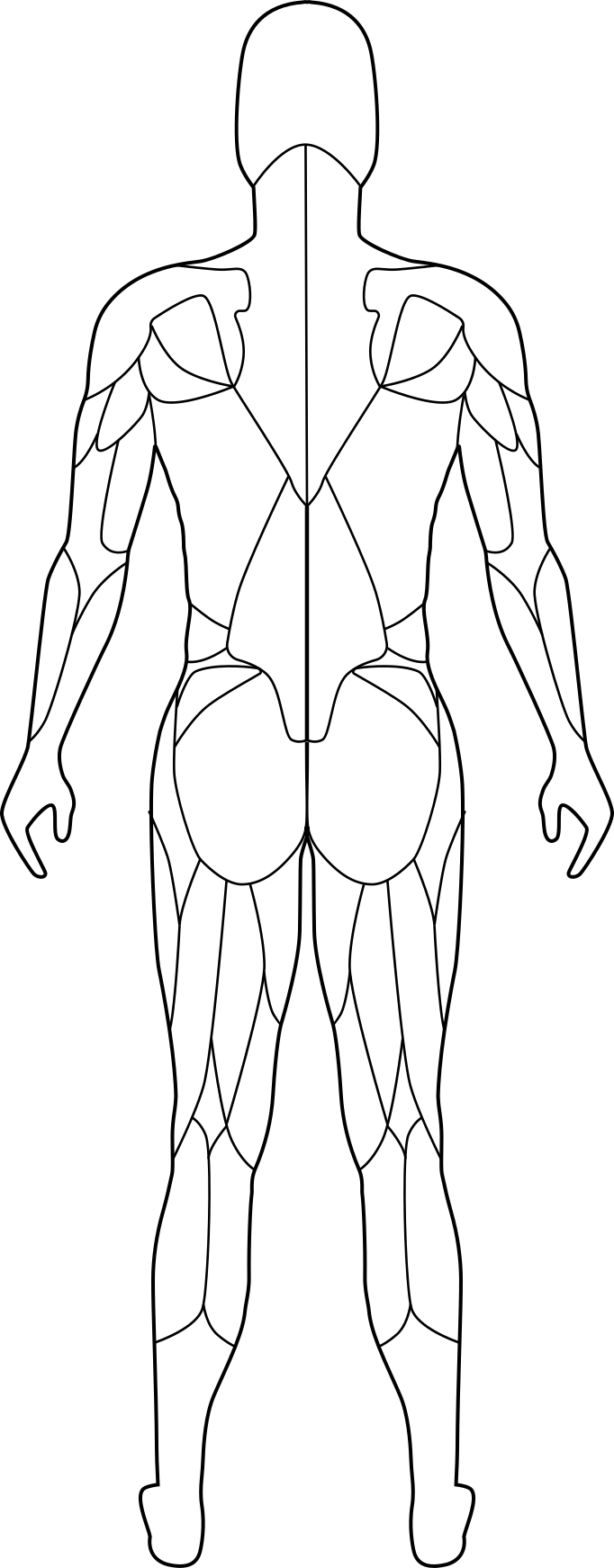

Setting up
- Pick a pair of kettlebells you can lift to your shoulders with control. Start lighter than you think you need, as the slow lowering makes them feel heavier. If you only have one bell, hold it in one rack position and swap sides each set.
- Get the bells into the rack position. Each handle should sit diagonally across your palm, the bell should rest against the outside of your forearm, and your elbows should be tucked in close to your ribs. Your wrists should stay fairly straight, not bent back.
- Stand with your feet about shoulder-width apart and your toes turned out slightly. Your weight should be spread across your whole foot, and you should wear flat, stable trainers.
How to do the Kettlebell Front Squat
- Clean the bells up to the rack position, or lift them there in two stages if you are not yet confident with the swing. Stand tall with your elbows close to your body and the bells resting snugly on your forearms.
- Take a breath in and brace your abs, as if you are about to be nudged in the stomach. Keep your ribs pulled down and your eyes looking straight ahead.
- Push your hips back slightly, then bend your knees and lower slowly, taking around 5 seconds. Let your knees travel forward over your toes.
- Keep lowering until your thighs are at least parallel to the floor, or as deep as you can go with your heels down and your elbows still tucked in.
- Push your whole foot into the floor and stand up forcefully, driving your hips and knees straight at the same time.
- Squeeze your glutes at the top, breathe out, then reset your brace before the next rep.
Form tips
- Keep your elbows tucked into your ribs and pointing down and forward. If they flare out, the bells drift away from you and pull you forward.
- Think about sitting down between your heels, not back onto them. This keeps your chest tall and the bells close to you.
- Press the floor away on the way up, like you are trying to push the ground down, rather than thinking about lifting the bells.
- Count the descent out loud: 1, 2, 3, 4, 5. A controlled lowering keeps the work in your quads and glutes and stops you dropping into the bottom.
- Keep your knees tracking in line with your toes all the way down and up.
Common mistakes
Elbows dropping and bells sliding forward
Squeeze your elbows into your ribs and keep them pointing forward and down. If the bells keep falling away, lower the weight and practise holding the rack position for a few seconds before you squat.
Heels lifting off the floor
Keep your weight across the whole foot and push the floor away. If your heels still rise, reduce your depth slightly or wear flatter trainers.
Knees caving inwards
Turn your toes out a touch and push your knees out in line with your toes. If it keeps happening, the weight is probably too heavy.
Leaning forward and losing the upright position
Brace your abs before you descend and keep your ribs down. Stay upright by sitting down between your heels, and drop the weight if you still tip forward.
Sets and reps
| Build strength | 4-5 sets of 3-6 reps with a heavy pair of bells, keeping the slow lowering, and 2-3 minutes rest between sets. |
|---|---|
| Build muscle | 3-4 sets of 8-12 reps, lowering for 3-5 seconds each rep, with 60-90 seconds rest. |
| Fat loss and general fitness | 2-3 sets of 12-15 reps with a lighter pair, with 45-60 seconds rest, as part of a full-body session. |
Pick a weight where the last rep or two of each set is hard but your form stays clean. When every set feels easy, it's time to go up.
Kettlebell Front Squat alternatives
Machine taken, or want some variety? These work the same main muscles.
Kettlebell Front Squat FAQs
What weight kettlebells should I use for front squats?
Most beginners do well with a pair somewhere between 8 and 16 kg, depending on their strength. Choose a weight that lets you keep your elbows tucked in and complete every rep with the slow lowering. If your form breaks down, go lighter.
Can I do kettlebell front squats with just one kettlebell?
Yes. Hold one bell in the rack position on one side and squat as normal, then swap sides on the next set. A single bell is a good way to learn the position before moving up to a pair.
How deep should I squat?
Aim for your thighs at least parallel to the floor, as long as you can keep your heels down, your back position steady and your elbows tucked in. If you cannot reach that depth yet, go as low as you can control and build up over time. Stop if anything hurts and get it checked.
Track your Kettlebell Front Squat progress
GymTracker builds your plan, pre-fills the weight from last time and tells you when to go up. Free.
Start free