
Jump Squat
The jump squat is a bodyweight squat followed by an explosive jump, landed softly and straight into the next rep. It builds leg power and works your quads and glutes hard, with help from your hamstrings and calves. It suits anyone who is comfortable with a normal bodyweight squat and wants to train speed and power without any equipment.
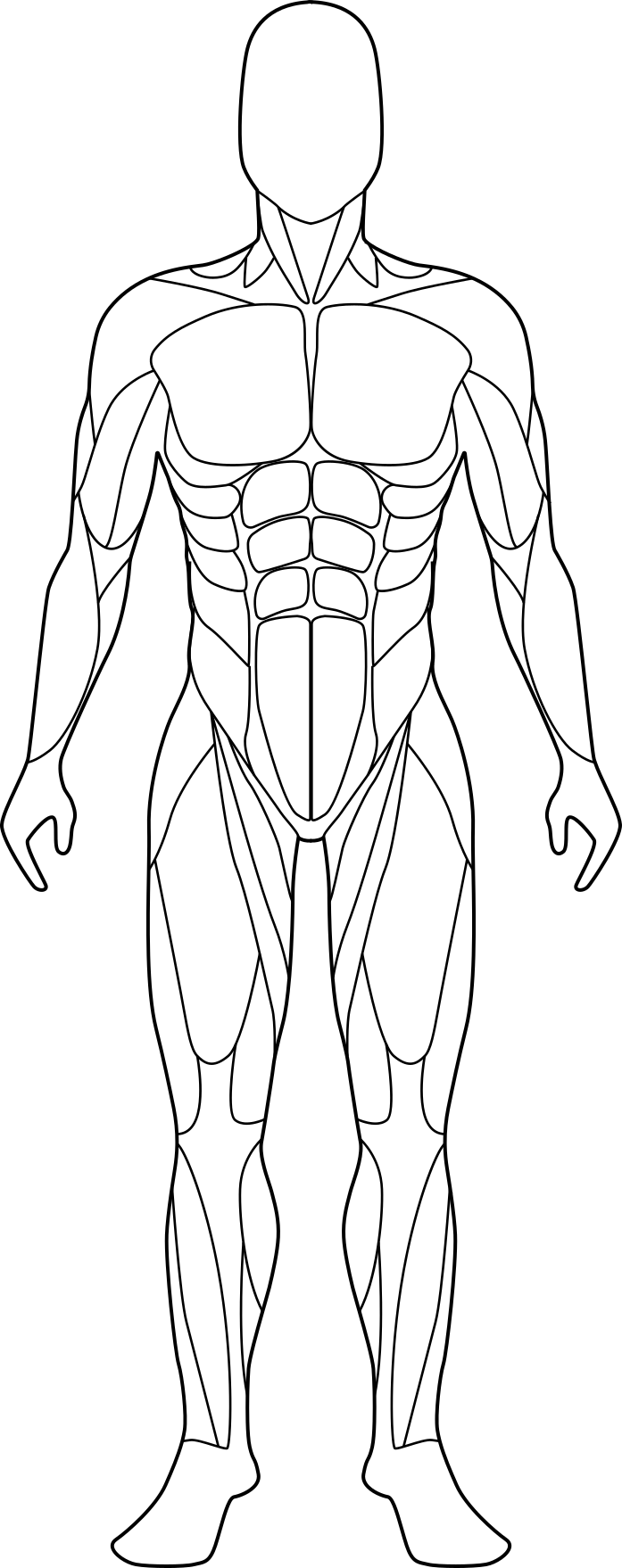
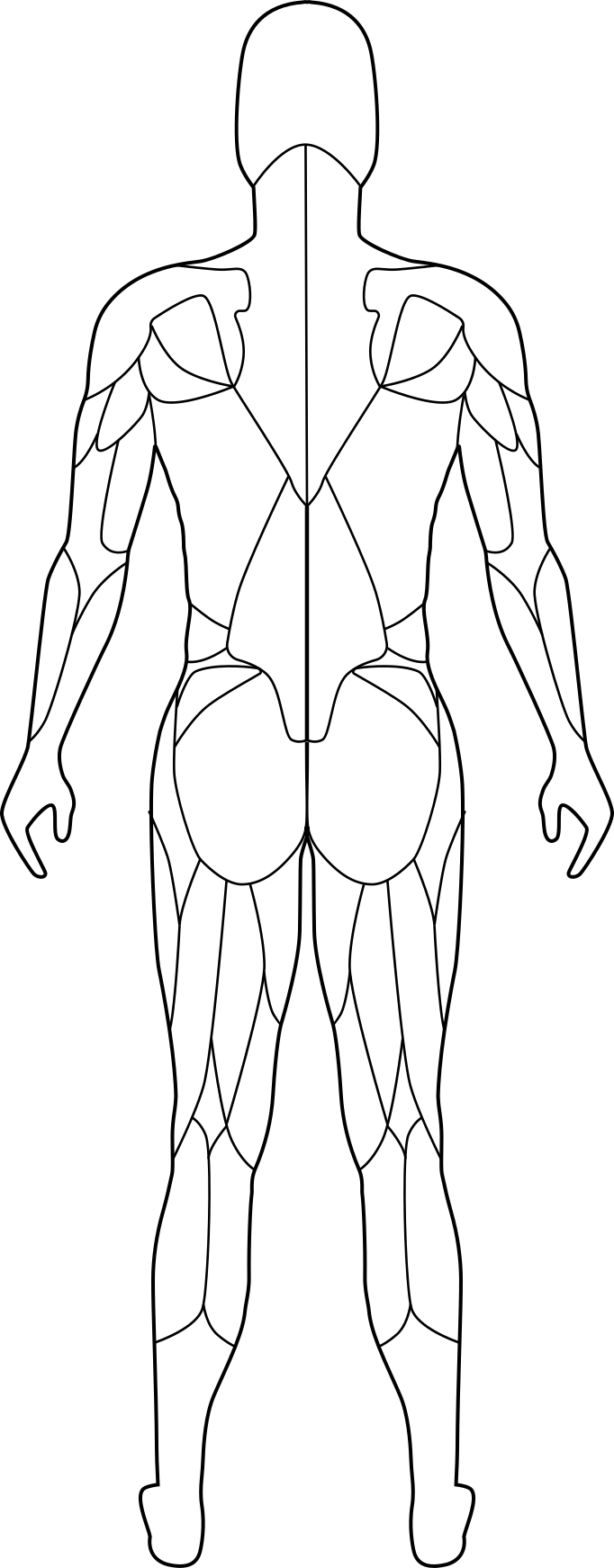
Muscles worked
The Jump Squat mainly works your quadriceps and glutes, with your hamstrings and calves helping.


Setting up
- Find a clear, flat area with room to jump and land. Wear supportive trainers and avoid slippery floors.
- Stand with your feet about shoulder-width apart and toes turned out slightly, so your knees can track in line with your toes.
- Stand tall with your chest up and your hands in front of you or by your sides, ready to swing.
How to do the Jump Squat
- Take a breath in and brace your trunk, as if you were about to be nudged in the stomach.
- Sit your hips back and bend your knees to lower into a squat, about thighs parallel to the floor or a little higher. Your chest leans forward slightly from the hips, but your spine stays long.
- Let your arms swing back as you lower, keeping your weight over the middle of your feet.
- Push hard through the floor, straightening your hips, knees and ankles in one fast movement. Swing your arms up and jump as high as you can.
- Land softly on the balls of your feet, rolling quickly through to the middle of your foot. Bend your hips and knees straight away so your legs absorb the impact, and sink back into the squat position.
- Either go straight into the next jump or stand tall for a breath first. Each rep should be a maximum-effort jump, so rest rather than let the height drop.
Form tips
- Think about pushing the floor away from you as fast as possible. The speed of the push matters more than how deep you squat.
- Keep your chest proud and your spine long. The forward lean should come from your hips, not from rounding your shoulders.
- Land quietly. If your landing is loud, you are probably landing stiff-legged, so bend your hips and knees sooner.
- Keep your knees in line with your toes on the way down, in the jump and on the landing.
- Stop the set when your jump height drops noticeably or your landings turn sloppy. Quality matters more than the number of reps.
Common mistakes
Landing stiff-legged
Aim to land with your hips back and your knees and hips bending straight away, like sinking into a squat. Practise a few small hops first to get used to the feel.
Knees drifting inwards
Push your knees out slightly so they stay in line with your toes, both going down and when you land. If they keep collapsing, go back to controlled bodyweight squats and build up from there.
Rushing and losing height
Jump height drops when you are tired. Take a breath between reps, or end the set, so each rep stays explosive.
Rounding the spine or leaning too far forward
Keep your chest up and your spine long, sitting your hips back instead of folding over. You should feel your weight over the middle of your feet, not on your toes.
Sets and reps
| Build strength and power | 3-5 sets of 3-5 jumps, resting 90-120 seconds between sets so every jump is at full effort |
|---|---|
| Build muscle | 3 sets of 8-10 jumps, resting 60-90 seconds. Use it alongside heavier leg exercises rather than as your only leg work. |
| Fat loss and general fitness | 4-6 rounds of 20 seconds of jumps and 40 seconds of rest, as part of a wider routine. Stop each round when your landings get sloppy. |
Pick a weight where the last rep or two of each set is hard but your form stays clean. When every set feels easy, it's time to go up.
Jump Squat alternatives
Machine taken, or want some variety? These work the same main muscles.
Jump Squat FAQs
Are jump squats good for losing fat?
They use a lot of muscle and raise your heart rate quickly, so they work well in a fitness routine. No single exercise burns fat on its own though. Results depend on your overall training, eating and consistency.
How many jump squats should I do?
For most people, 3-5 sets of 3-8 reps is plenty, stopping before your jump height drops. Beginners can start with 2 sets of 5 and build up over a few weeks.
Are jump squats safe for beginners?
They are high impact, so first get comfortable with bodyweight squats and landing softly. Start with small jumps and build up gradually. If anything hurts, stop and get it checked.
Track your Jump Squat progress
GymTracker builds your plan, pre-fills the weight from last time and tells you when to go up. Free.
Start free