
Air Squat
The air squat is a bodyweight squat done with no equipment, so you can do it anywhere. It builds strength and endurance in the fronts of your thighs and your glutes, and it teaches the squat pattern that other leg exercises are built on. It suits complete beginners learning to squat, and more experienced lifters who want a warm-up or a simple home workout.
Muscles worked
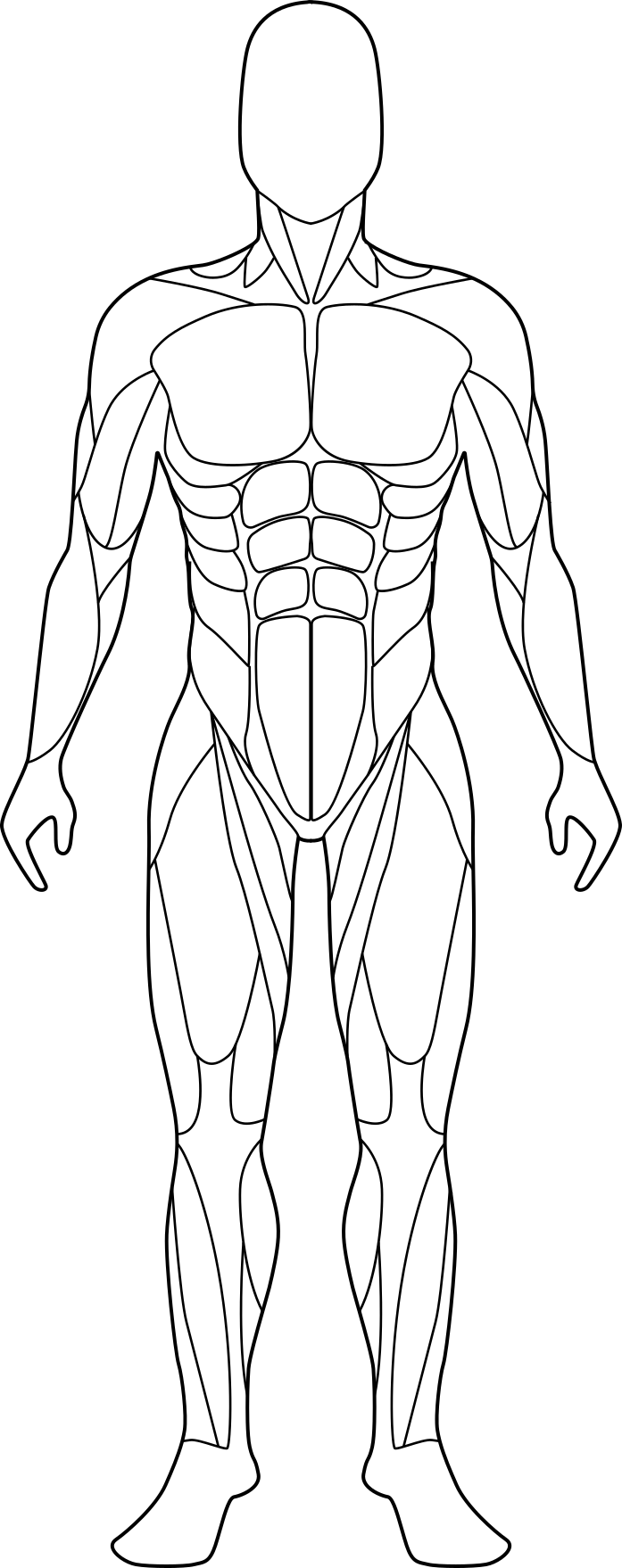
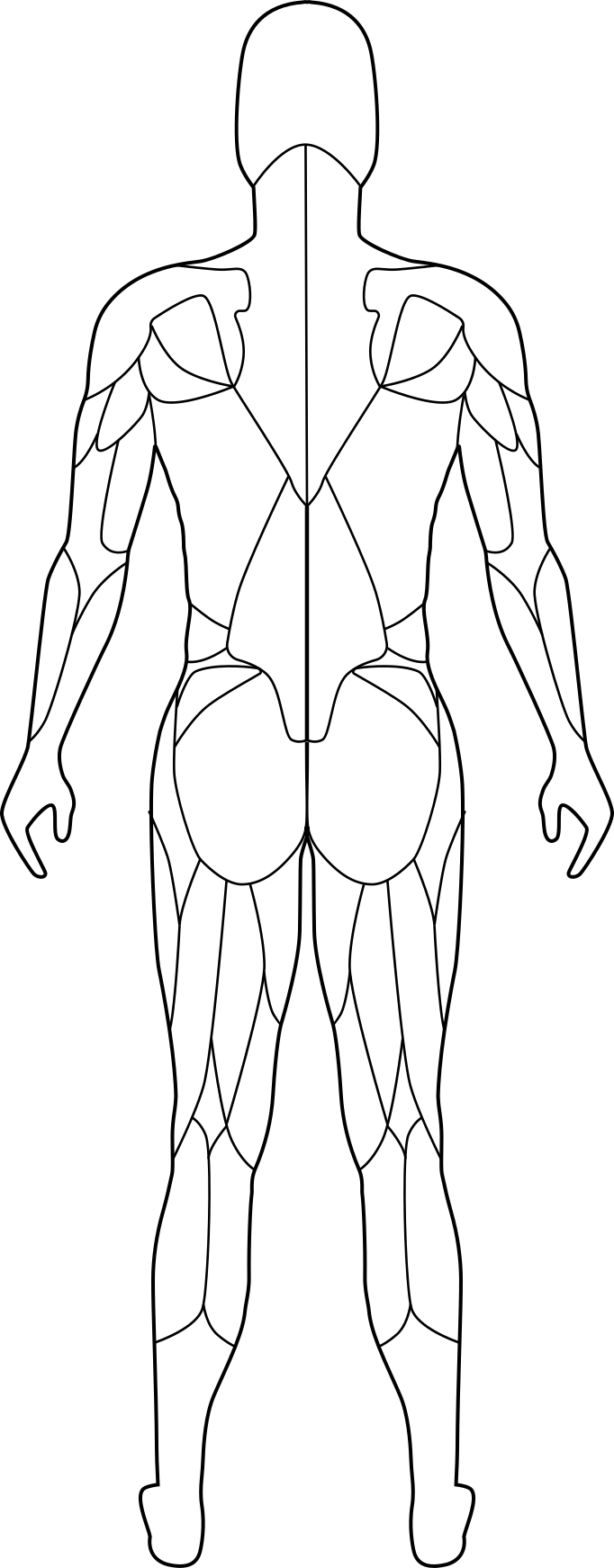
The Air Squat mainly works your quadriceps and glutes, with your hamstrings and abs helping.


Setting up
- Stand with your feet about shoulder-width apart, with your toes turned out slightly (roughly 10 to 30 degrees). Wear flat, stable trainers or go barefoot so your whole foot can grip the floor.
- Stand tall with your chest proud, your head in line with your spine and your eyes looking straight ahead.
- Put your weight evenly through the whole foot, with the pressure around the middle of the foot and the heel.
- Hold your arms out in front of you or clasp your hands at chest height. This helps you balance as your hips move back.
How to do the Air Squat
- Take a breath in and brace your abs as if you were about to be nudged in the stomach.
- Start the movement by pushing your hips back, then let your knees bend and travel forward and slightly out.
- Lower under control, keeping your chest up and your heels flat, until your thighs are about parallel to the floor. Stop at whatever depth you can reach without your heels lifting or your back rounding.
- Keep your knees tracking in line with your toes as you go down, rather than letting them cave inward.
- Drive up by pushing the floor away through your whole foot. Come up with purpose, but keep the movement smooth rather than jerky.
- Stand fully tall at the top and squeeze your glutes to finish the rep, then breathe in and go again.
Form tips
- Think about sitting back and down between your heels, as if lowering onto a low chair behind you.
- Grip the floor with your feet. If your heels or toes lift, your weight has drifted and you need to reset.
- Push your knees out in the direction your toes point, so they stay in line over your feet on the way down and up.
- Count a steady two to three seconds on the way down, which keeps your quads and glutes working and makes bodyweight reps feel harder.
- If you lose your balance, raise your arms higher in front of you. It acts as a counterweight.
Common mistakes
Heels lifting off the floor
Start the movement by pushing your hips back rather than just bending your knees, and keep your weight across your whole foot. If it still happens, turn your toes out a little more or work to a slightly shallower depth until you can keep your heels down.
Knees caving inwards
Actively push your knees out over your toes as you lower and as you drive up. Squeeze your glutes to help, and slow the rep down until you can keep your knees tracking in line with your feet.
Chest dropping and back rounding
Brace your abs before you lower, keep your chest proud and your eyes forward. Reaching your arms out in front helps you stay upright. Reduce your depth to where you can hold this position.
Dropping fast and bouncing out of the bottom
Lower under control, then drive up smoothly from the bottom position instead of using a bounce. A short pause at the bottom shows you whether you are in control.
Sets and reps
| Build strength | 4-5 sets of 10-15 slow reps (3 seconds down, 1 second pause at the bottom), 90 seconds rest. Bodyweight alone has limits for strength, so once this feels easy, consider adding load with other squat variations. |
|---|---|
| Build muscle | 3-4 sets of 15-25 controlled reps, stopping a couple of reps before you can't continue, with 60 seconds rest. Aim to add reps or slow the tempo over the weeks. |
| Fat loss and general fitness | 3-4 rounds of 20-30 reps as part of a circuit with other exercises, 30-45 seconds rest between rounds. Do it 2-3 times a week alongside regular walking or cardio and a balanced diet. |
Pick a weight where the last rep or two of each set is hard but your form stays clean. When every set feels easy, it's time to go up.
Air Squat alternatives
Machine taken, or want some variety? These work the same main muscles.
Air Squat FAQs
How low should I go in an air squat?
Aim for your thighs about parallel to the floor, or deeper if you can keep your heels down, your chest up and your back in the same position. If you cannot reach that depth yet, squat to a comfortable depth and build up gradually. Stop if anything hurts and get it checked.
How many air squats should I do?
Beginners can start with 2-3 sets of 8-12 good-quality reps and build up from there. Stop each set when your form starts to slip, not when you are exhausted. Quality reps matter more than a big number.
Can air squats build muscle?
They can help you build muscle in your quads and glutes, especially if you are new to training, as long as the sets are challenging. Slow the lowering phase, pause at the bottom and take your sets close to failure. As you get stronger, you may need harder variations or added weight to keep progressing.
Track your Air Squat progress
GymTracker builds your plan, pre-fills the weight from last time and tells you when to go up. Free.
Start free