
Forward Lunge
The dumbbell forward lunge is a step-and-lower leg exercise that works one leg at a time. It builds the quadriceps and glutes, and also challenges your balance and control. It suits beginners using light dumbbells (or none at all) as well as experienced lifters who want to add load.
Muscles worked
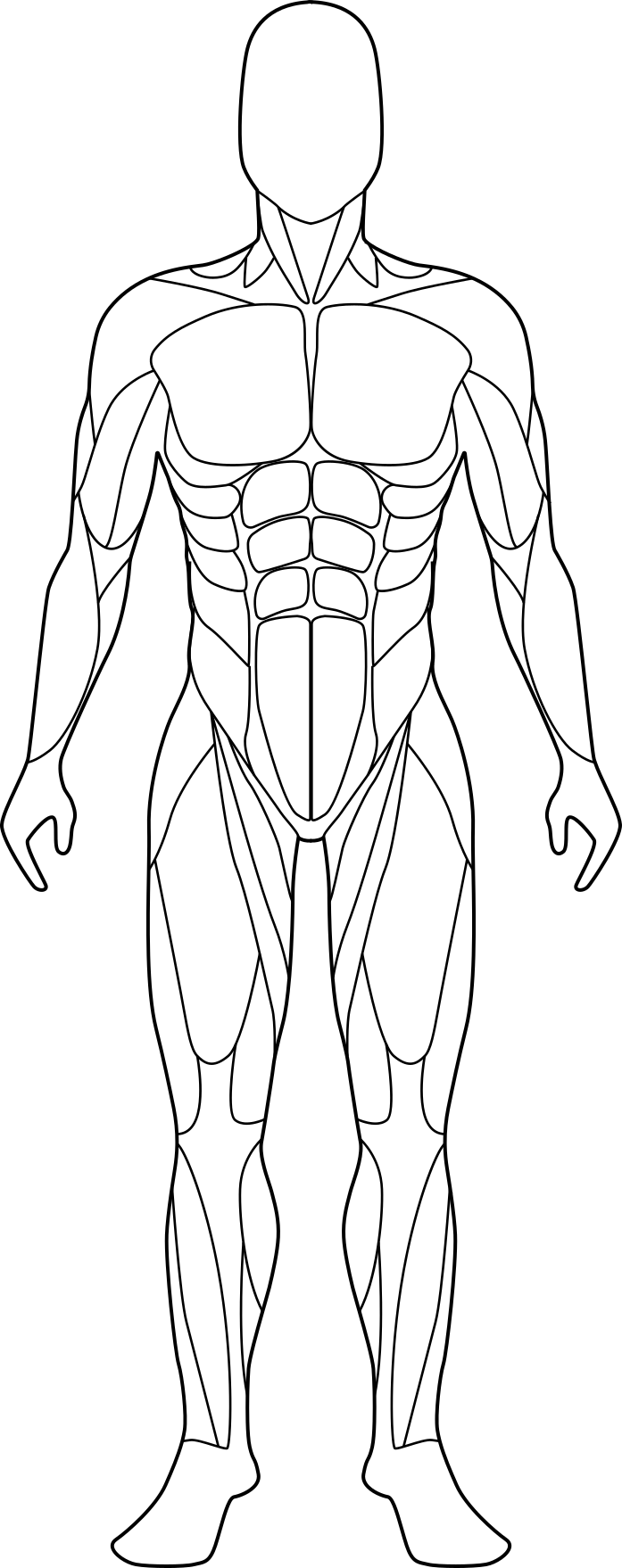
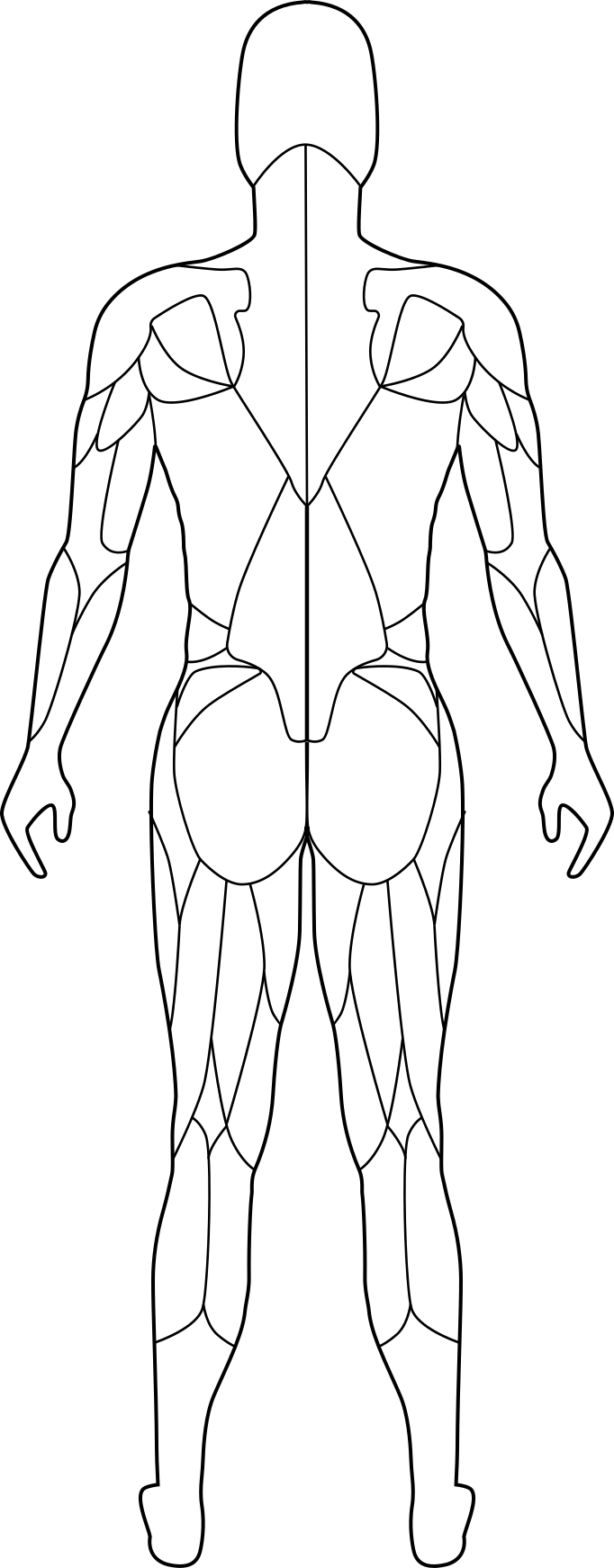
The Forward Lunge mainly works your quadriceps and glutes, with your hamstrings and calves helping.


Setting up
- Choose a pair of dumbbells you can hold comfortably for all your reps. Start light, as the balance is harder than it looks.
- Clear about two to three metres of floor in front of you, or use a spot where you can lunge on the spot and step back.
- Stand tall with your feet hip-width apart. Hold a dumbbell in each hand with your arms long and your palms facing your thighs.
- Wear flat, stable trainers. Soft, squashy soles make your front foot wobble.
How to do the Forward Lunge
- Stand tall with your chest up, eyes looking straight ahead and the dumbbells hanging by your sides.
- Take a big step forward with your right foot, landing heel first and then letting your whole foot settle flat on the floor.
- Bend both knees and lower straight down, not forwards, keeping your upper body upright and the dumbbells hanging beside you.
- Lower until your back knee lightly touches the floor, or hovers a couple of centimetres above it. Your front thigh should be roughly parallel to the floor.
- Push through your whole front foot, especially the heel, and drive up powerfully but under control, stepping your front foot back to meet the other.
- Pause for a moment standing tall, then repeat with the left leg. Keep alternating legs.
Form tips
- Aim to keep your weight over the middle of your front foot and heel. If your front heel lifts, your step is too short or your weight has drifted forwards.
- Think of lowering between your feet like a lift going down, not leaning into the lunge.
- Squeeze your front glute as you stand up to finish each rep fully, and let your front thigh do the work of driving you back.
- Keep your feet about hip-width apart, as if on two train tracks. This is much steadier than stepping onto a tightrope.
- Let the dumbbells hang straight down and stay still. If they swing, slow down.
- Fix your eyes on a point ahead at about head height to help your balance.
Common mistakes
Step is too short
Take a longer stride so your front shin stays close to vertical at the bottom and your front heel stays down. If your front knee is shooting far forwards, step further out next time.
Leaning forwards
Keep your chest tall and your eyes level, and lower straight down. If the dumbbells are pulling you forward, go lighter.
Front knee collapsing inwards
Push your front knee out slightly so it tracks in line with your middle toes throughout. Reduce the weight until you can keep it steady.
Dropping onto the back knee
Lower under control and just touch the floor lightly, or stop a few centimetres short. Standing up quickly is fine, but the way down should always be slow and controlled.
Sets and reps
| Build strength | 3-5 sets of 5-8 reps per leg with heavy but controlled dumbbells, resting 2-3 minutes between sets. |
|---|---|
| Build muscle | 3-4 sets of 8-12 reps per leg, resting 60-90 seconds between sets. |
| Fat loss and general fitness | 2-3 sets of 12-15 reps per leg with light to moderate dumbbells, resting 30-60 seconds, either on its own or as part of a circuit. |
Pick a weight where the last rep or two of each set is hard but your form stays clean. When every set feels easy, it's time to go up.
Forward Lunge alternatives
Machine taken, or want some variety? These work the same main muscles.
Forward Lunge FAQs
What muscles do dumbbell forward lunges work?
The main muscles are the quadriceps (front of the thigh) and glutes. Your hamstrings and calves assist as you lower and push back up.
How heavy should my dumbbells be for forward lunges?
Start with bodyweight or a light pair, such as 5 kg in each hand, and focus on balance and a steady tempo. Add weight only when you can complete every rep with the same depth and control on both legs.
Should my knee go past my toes in a forward lunge?
Some forward travel of the front knee is normal, as long as your front heel stays on the floor and you feel steady. If your knee is far past your toes, take a longer step. If you feel pain in the knee or anywhere else, stop and get it checked.
Track your Forward Lunge progress
GymTracker builds your plan, pre-fills the weight from last time and tells you when to go up. Free.
Start free