
Turkish Get-Up
The Turkish get-up is a slow, controlled movement where you go from lying on the floor to standing while holding a kettlebell overhead, then return the same way. It works your abs and shoulders hard and brings in your quads and glutes as you stand. It suits beginners who start with no weight and lifters who want a challenging full-body movement.
Muscles worked
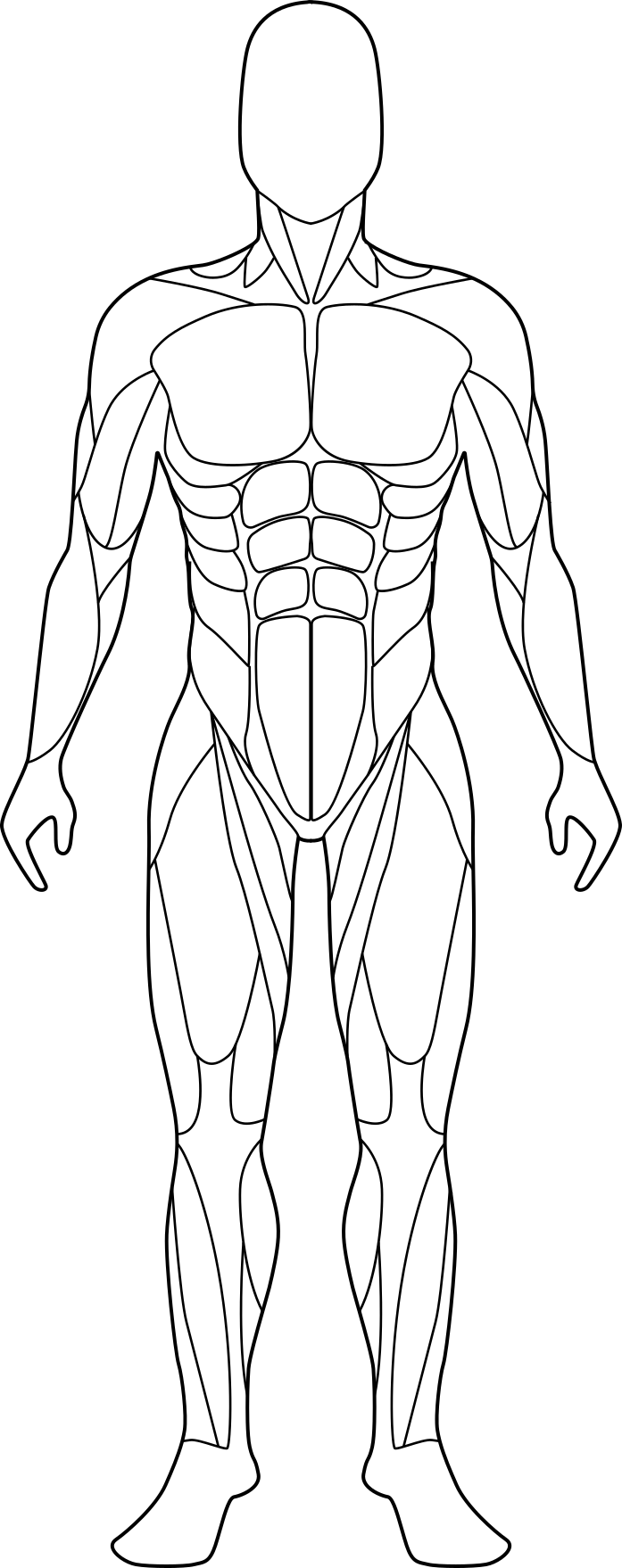
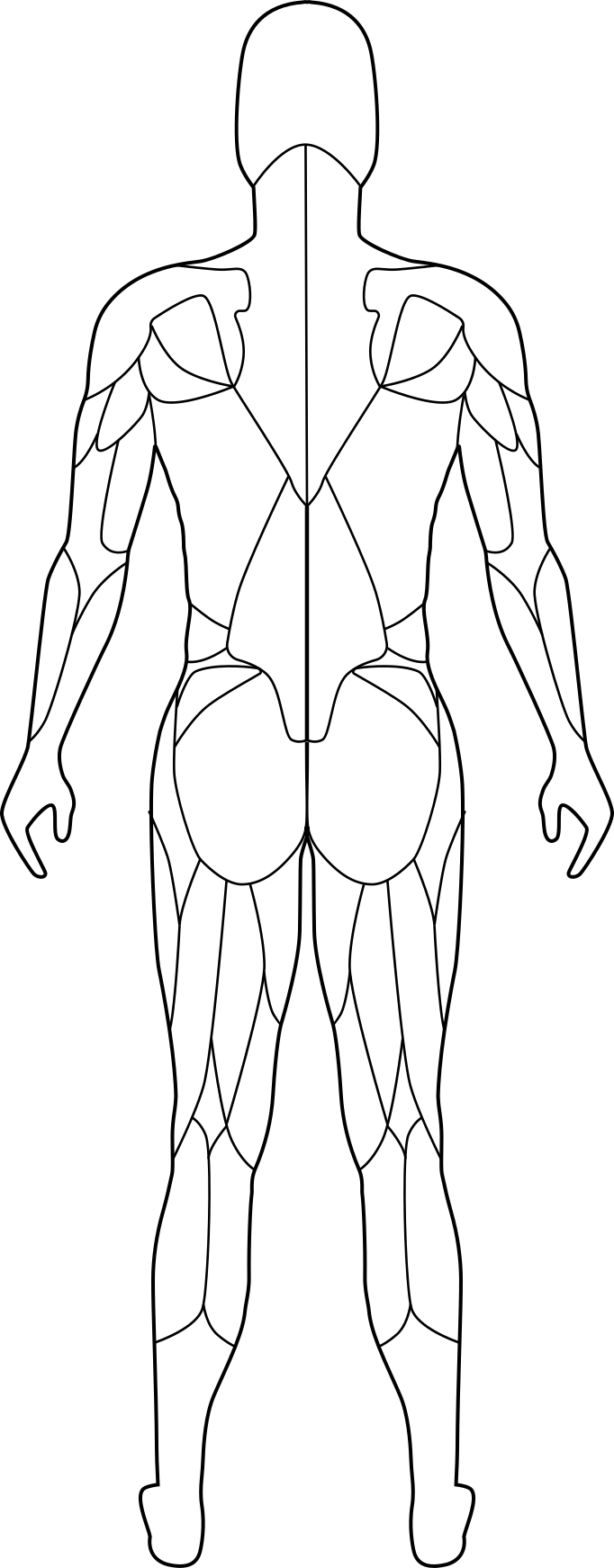
The Turkish Get-Up mainly works your abs, anterior delts and lateral delts, with your quadriceps and glutes helping.


Setting up
- Lie on your back with the kettlebell on the floor beside your right hip. Roll towards it, grip the handle with both hands, then roll back and press it up with your right arm so it sits directly over your shoulder.
- Bend your right knee and place your right foot flat on the floor, close to your bum. Keep your left leg straight and angled out slightly.
- Keep your right arm vertical with a straight elbow and the bell resting on the back of your forearm. Put your left arm on the floor at roughly 45 degrees from your body, palm down.
- Wear flat trainers or go barefoot, and clear a space around you. Learn the movement with no weight first, then try a light kettlebell.
How to do the Turkish Get-Up
- Fix your eyes on the kettlebell and keep your right arm locked out and vertical. Push through your right foot and roll up onto your left elbow.
- Press through your left palm to straighten your left arm and sit tall, with your chest open and the bell still directly over your shoulder.
- Push through your right foot and left hand to lift your hips high off the floor, squeezing your glutes at the top.
- Sweep your left leg back and underneath you, placing your left knee on the floor in line with your left hand, so you are in a kneeling lunge position.
- Lift your left hand off the floor and bring your chest upright. Keep your eyes on the bell, then push through your front foot, squeezing your glutes and quads, to stand up and bring your feet together.
- Reverse the movement slowly: step your left leg back into a kneeling lunge, place your left hand down, sweep your leg through, lower your hips, then lower to your elbow and back to the floor.
- Lower the bell back to your shoulder only once you are lying flat. Complete all reps on one side, then swap.
Form tips
- Think of your arm as a fixed pole. Keep the bell stacked over your shoulder, with your shoulder pulled down away from your ear, from the first inch to the last.
- Brace your abs as if you are about to be nudged in the stomach, and keep that tension throughout, especially when you roll up and lower down.
- Keep your eyes on the kettlebell for most of the rep. It helps you spot if your arm drifts.
- Pause briefly in each position, such as the elbow, hand, hips-up and kneeling, and only move on when you feel steady.
- Practise each stage separately before you link them. Many people start with just the roll to the elbow and the hips-up bridge.
Common mistakes
Rushing the movement
Treat each position as its own stop. Pause for a second in each and move on only when you feel balanced. Speed does not help here.
Arm drifting forwards or bending
Keep your elbow locked and the bell directly above your shoulder. If you can't, the kettlebell is too heavy, so drop to a lighter one or no weight.
Looking away from the bell
Keep your eyes on it as you rise and lower. When you stand, you can look ahead, but return your gaze to the bell as you start to go back down.
Letting the hips sag when sweeping the leg through
Squeeze your glutes and drive your hips high before you move your leg. Sweep your leg back only once your hips are at their highest.
Sets and reps
| Build strength | 3-5 sets of 1-3 reps per side with a challenging but manageable weight, resting 1-2 minutes between sets. |
|---|---|
| Build muscle | 2-4 sets of 3-5 slow reps per side, resting 60-90 seconds. Use it alongside your main lifts rather than as your only exercise. |
| Fat loss and general fitness | 2-3 rounds of 2-3 reps per side with a light weight, resting 30-60 seconds. Use it in a circuit or as part of your warm-up. |
Pick a weight where the last rep or two of each set is hard but your form stays clean. When every set feels easy, it's time to go up.
Turkish Get-Up alternatives
Machine taken, or want some variety? These work the same main muscles.
Turkish Get-Up FAQs
What weight should I start with for a Turkish get-up?
Start with no weight at all, or a light object such as a trainer balanced on your fist, until you can move smoothly through every position. Then move to a light kettlebell, such as 4-8 kg, and increase only when your reps look the same each time.
Why do you keep your eyes on the kettlebell in a Turkish get-up?
It lets you see if your arm is vertical and the bell is stable, and helps you keep your head and chest in a good position. Make sure you can keep your gaze on the bell as you rise, as it helps keep the movement steady.
How many reps of Turkish get-ups should I do?
Low reps work best because the movement takes time and focus. Aim for 1-5 reps per side per set. Stop a set when your form slips, and if anything hurts, stop and get it checked.
Track your Turkish Get-Up progress
GymTracker builds your plan, pre-fills the weight from last time and tells you when to go up. Free.
Start free