
Farmer's Carry
The farmer's carry is simple: pick up a heavy pair of dumbbells, stand tall and march with them. It trains your abs and shoulders to hold your body upright under load, and your glutes and obliques help keep you steady as you walk. It suits beginners and experienced lifters alike, as long as the weight is chosen sensibly.
Muscles worked
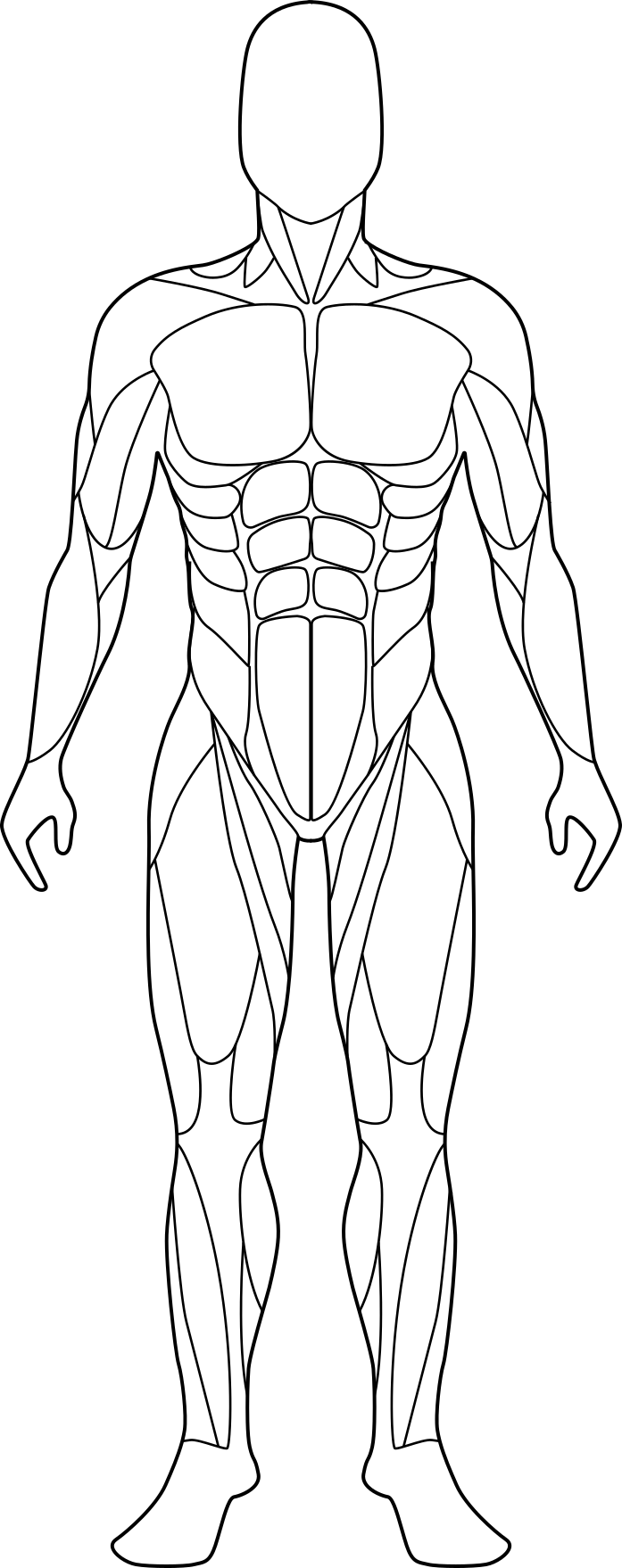
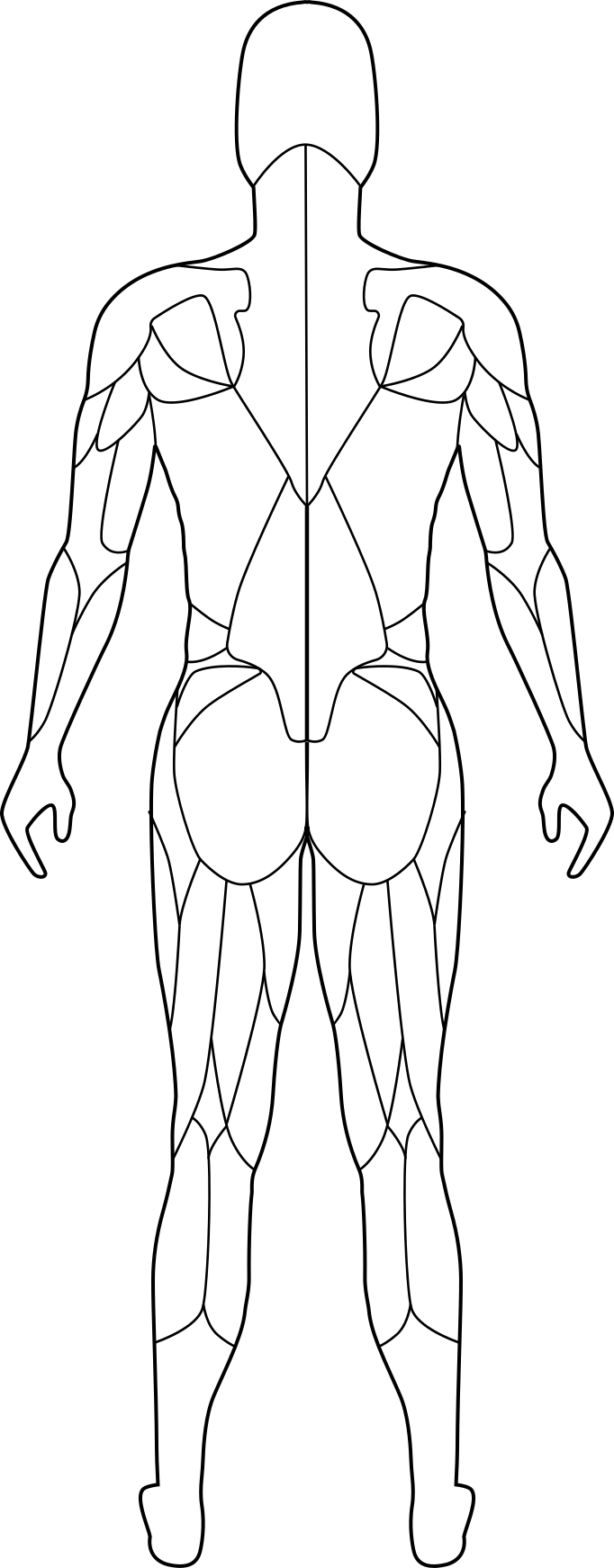
The Farmer's Carry mainly works your abs, anterior delts, lateral delts and posterior delts, with your glutes and obliques helping.


Setting up
- Clear a straight, flat walking lane of 15-20m with room to turn at the end. Place a pair of dumbbells on the floor at the start, one either side of you.
- Choose weights you can carry for the full distance with good posture. If you're unsure, start lighter than you think you need to and add weight over a few sessions.
- Wear flat, stable trainers and stand with your feet about hip-width apart, with the dumbbells level with the middle of your feet.
How to do the Farmer's Carry
- Hinge at the hips with a flat back and soft knees, then take hold of the dumbbell handles in the centre.
- Stand up by driving your feet into the floor and squeezing your glutes, so you finish tall with a dumbbell hanging at each side.
- Pull your shoulders back and slightly down, keep your arms long, and make sure the dumbbells hang beside you without banging against your legs.
- Take a deep breath into your belly and brace your abs as if you were about to be nudged in the stomach.
- March forward with fast, deliberate steps for 15-20m, keeping your ribs stacked over your hips and your shoulders level.
- Turn around smoothly, taking a slightly wider turn rather than twisting sharply, and march back to the start.
- Lower the dumbbells under control by hinging at the hips, and set them down. Don't drop them.
Form tips
- Keep your ribs pulled down towards your hips. Your abs should stop your lower back arching as the weight pulls on you.
- Imagine squeezing the handles and pulling your shoulders away from your ears. Your shoulders work to keep the weights from dragging you forward or sideways.
- Use quick, short steps rather than long strides. This keeps you balanced and stops the dumbbells swinging.
- Fix your eyes on a spot a few metres ahead so your head stays level and your chin doesn't poke forward.
- Brace again before the turn. This is where the weights try to pull you off balance, so slow down a little and stay tall.
Common mistakes
Leaning back or arching the lower back
Lower the weight if you can't stay upright. Pull your ribs down, tuck your hips under slightly and squeeze your glutes so your abs are doing the work.
Shrugging the shoulders up
Set your shoulders back and slightly down before you lift, and keep them there for the whole walk. Think of keeping a long gap between your ears and shoulders.
Letting the dumbbells swing or bang into your legs
Take shorter, quicker steps and keep your torso still. If the weights keep swinging, go lighter or slow the pace slightly.
Dropping the dumbbells at the end
Finish each set with some effort left. Hinge at the hips to lower the weights under control and put them down. If you can't do that, the weight is too heavy.
Sets and reps
| Build strength | 4-5 sets of 15-20m up and back with heavy dumbbells, resting 2-3 minutes between sets. Stop each set while your posture is still solid. |
|---|---|
| Build muscle | 3-4 sets of 2-3 lengths of 15-20m with a challenging but controlled weight, resting 90 seconds to 2 minutes between sets. |
| Fat loss and general fitness | 3-4 rounds of 3-4 lengths of 15-20m with moderate dumbbells, resting 45-60 seconds. Keep a brisk pace and tall posture throughout. |
Pick a weight where the last rep or two of each set is hard but your form stays clean. When every set feels easy, it's time to go up.
Farmer's Carry alternatives
Machine taken, or want some variety? These work the same main muscles.
Farmer's Carry FAQs
What muscles does the farmer's carry work?
With dumbbells, it mainly works your abs and the front, side and rear of your shoulders, which hold you upright against the weight. Your glutes and obliques also work to keep you steady as you walk.
How heavy should I go on the farmer's carry?
Pick dumbbells that feel heavy but let you walk the full 15-20m standing tall without leaning or shrugging. Beginners should start lighter and increase gradually. If your posture falls apart or you can't lower the weights under control, go lighter.
How far should I carry the dumbbells?
A good starting point is 15-20m out and back. As you get stronger, add weight first, then add extra lengths. If you feel any pain, stop and get it checked.
Track your Farmer's Carry progress
GymTracker builds your plan, pre-fills the weight from last time and tells you when to go up. Free.
Start free