
Kettlebell Farmer's Walk
The kettlebell farmer's walk is simple: pick up a kettlebell in each hand, stand tall and walk. It builds grip strength and works your abs, shoulders, glutes and obliques as they keep you upright under load. It suits beginners and experienced lifters alike, and works well as a finisher at the end of a workout.
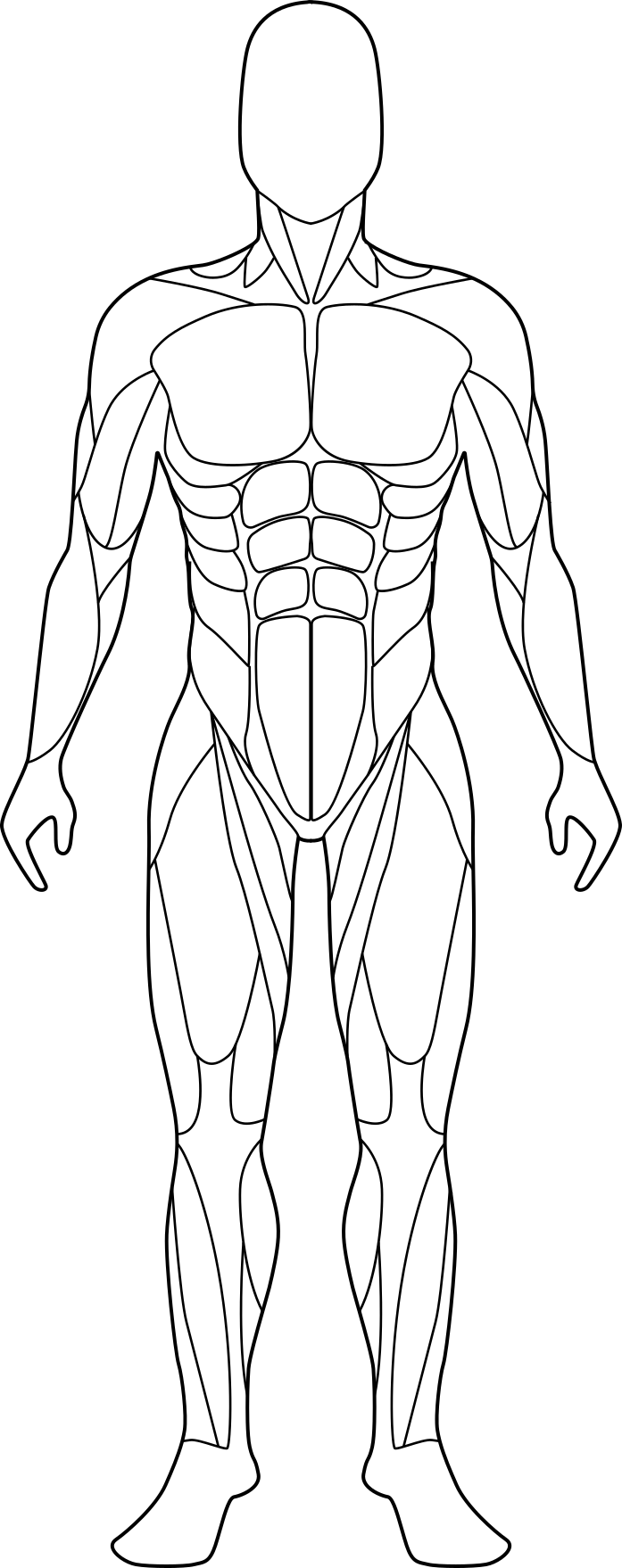
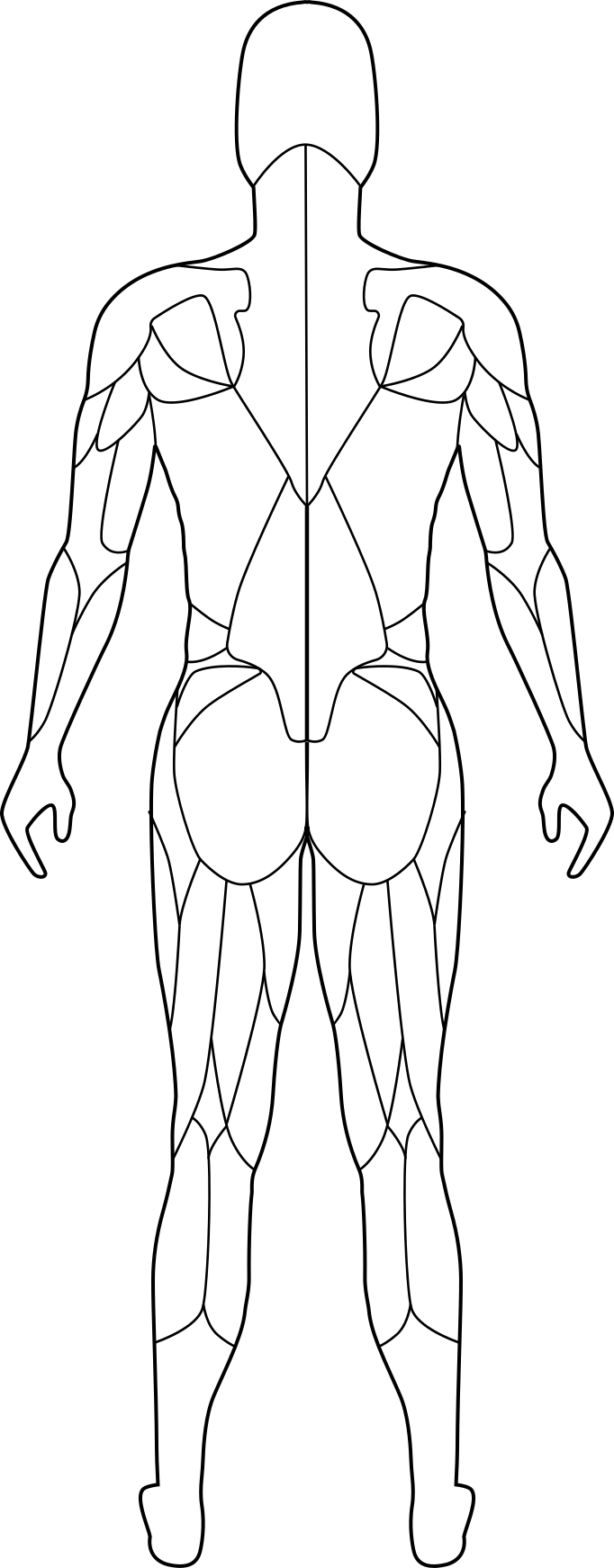
Muscles worked
The Kettlebell Farmer's Walk mainly works your abs, anterior delts, lateral delts and posterior delts, with your glutes and obliques helping.


Setting up
- Place a kettlebell on the floor either side of your feet, about shoulder-width apart, with the handles in line with the middle of your feet. Clear a straight path of 15-30 metres.
- Wear flat, stable trainers. Soft, cushioned running shoes make it harder to stay balanced under load.
- Choose a pair you can hold comfortably for 30 seconds before you try longer walks. Many beginners start around 8-16 kg per hand.
- Pick them up one at a time or together by pushing your hips back, keeping your back flat, gripping the handles and standing up. Don't pull them up with a rounded back.
How to do the Kettlebell Farmer's Walk
- Stand tall with a kettlebell hanging at each side, gripping the handle in the centre of your palm with your wrists straight.
- Brace your abs as if you're about to be tapped in the stomach, and pull your shoulders down and slightly back, away from your ears.
- Look straight ahead and squeeze your glutes lightly so your hips stay under you and your ribs stay stacked over your pelvis.
- Start walking with short, quick, controlled steps, keeping your chest tall and the kettlebells hanging still beside you.
- At the end of your path, turn around slowly without twisting through your body, and walk back at the same brisk pace.
- When you finish, stop, bend your hips and knees and lower the kettlebells to the floor under control before letting go.
Form tips
- Think about standing as tall as possible. The weights should pull you down, but you should resist by staying long through your spine.
- Keep your shoulders pulled down. If you feel them creeping up towards your ears, the weight is probably too heavy or you're tiring.
- Squeeze the handles hard throughout. A tight grip helps keep your shoulders and abs working.
- Take quick, short steps rather than long strides. This keeps you steady and stops the bells swinging into your legs.
- Breathe steadily instead of holding your breath. If something hurts, stop and get it checked.
Common mistakes
Leaning back or arching
Keep your ribs down over your hips and brace your abs. If you're leaning back to counter the weight, switch to lighter kettlebells.
Shrugging your shoulders up
Pull your shoulders down and keep your neck long. Shorten the distance or drop the weight if you can't hold this position.
Letting the kettlebells swing
Shorten your steps and keep your arms strong and still by your sides. Swinging bells bang into your legs and pull you off balance.
Leaning to one side
Stay upright and level, as if there is a plank across your shoulders. Use matching kettlebells and brace your obliques to stop yourself tilting.
Sets and reps
| Build strength | 4-5 sets of 20-30 metres with the heaviest kettlebells you can hold with good posture, resting 2 minutes between sets |
|---|---|
| Build muscle | 3-4 sets of 30-40 seconds with a challenging but controlled weight, resting 60-90 seconds between sets |
| Fat loss and fitness | 3-5 rounds of 30-45 seconds of brisk walking with moderate kettlebells, resting 30-45 seconds between rounds, at the end of your workout |
Pick a weight where the last rep or two of each set is hard but your form stays clean. When every set feels easy, it's time to go up.
Kettlebell Farmer's Walk alternatives
Machine taken, or want some variety? These work the same main muscles.
Kettlebell Farmer's Walk FAQs
How heavy should kettlebells be for a farmer's walk?
Pick a pair you can carry for your target distance with your shoulders down and your body upright. Beginners often start with 8-16 kg per hand. Increase the weight gradually once the last steps still feel controlled.
How far or how long should I walk?
A good starting point is 20-30 metres or 30-40 seconds per set. Walk until your grip or posture starts to fail, then stop. Extra distance isn't worth it if your form breaks down.
What muscles does the farmer's walk work?
The main work is in your abs and shoulders, which keep your body upright and stop the weights dragging you down. Your glutes and obliques also work to keep you stable and level with each step. Your grip gets a lot of work too.
Track your Kettlebell Farmer's Walk progress
GymTracker builds your plan, pre-fills the weight from last time and tells you when to go up. Free.
Start free