Upright Row
The barbell upright row is a compound pull where you lift the bar up the front of your body, leading with your elbows. It builds the traps and the front and side of the shoulders, with your biceps helping. It suits beginners and regular gym-goers who want more shoulder and upper-back size, as long as they keep the weight modest and control every rep.
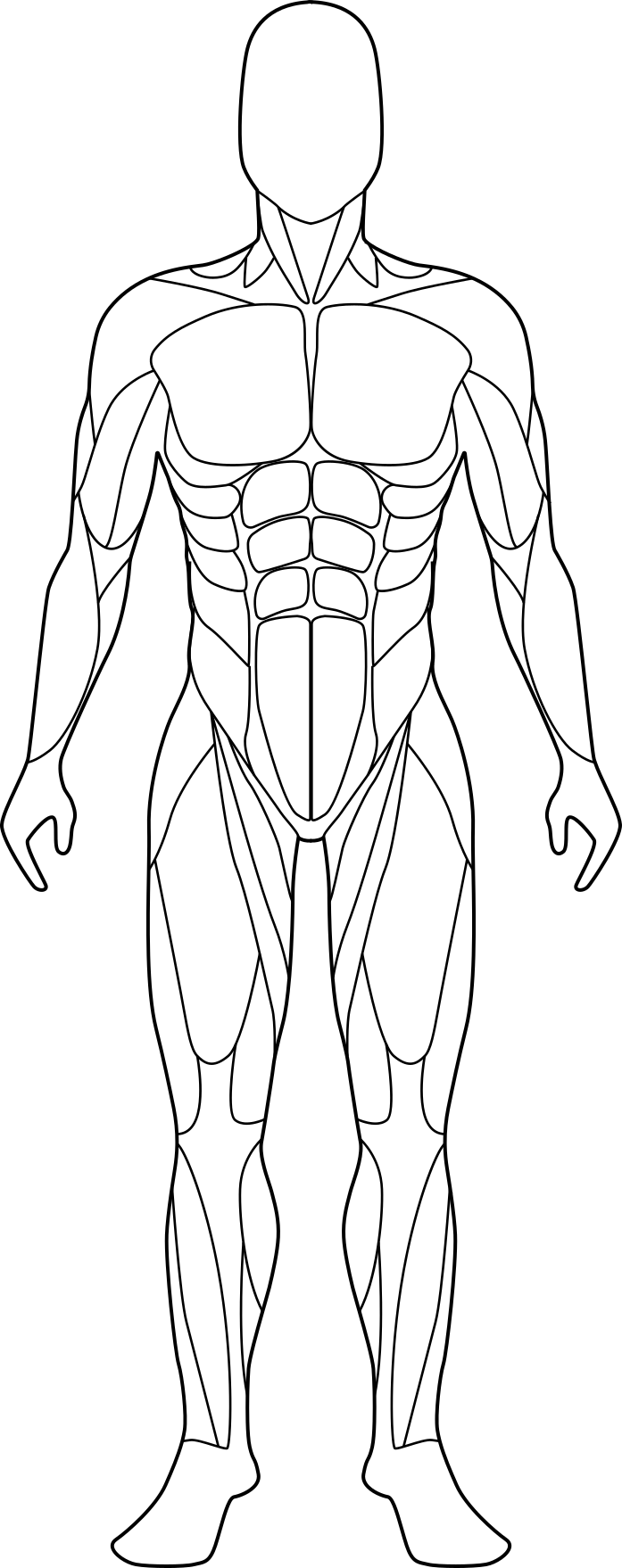
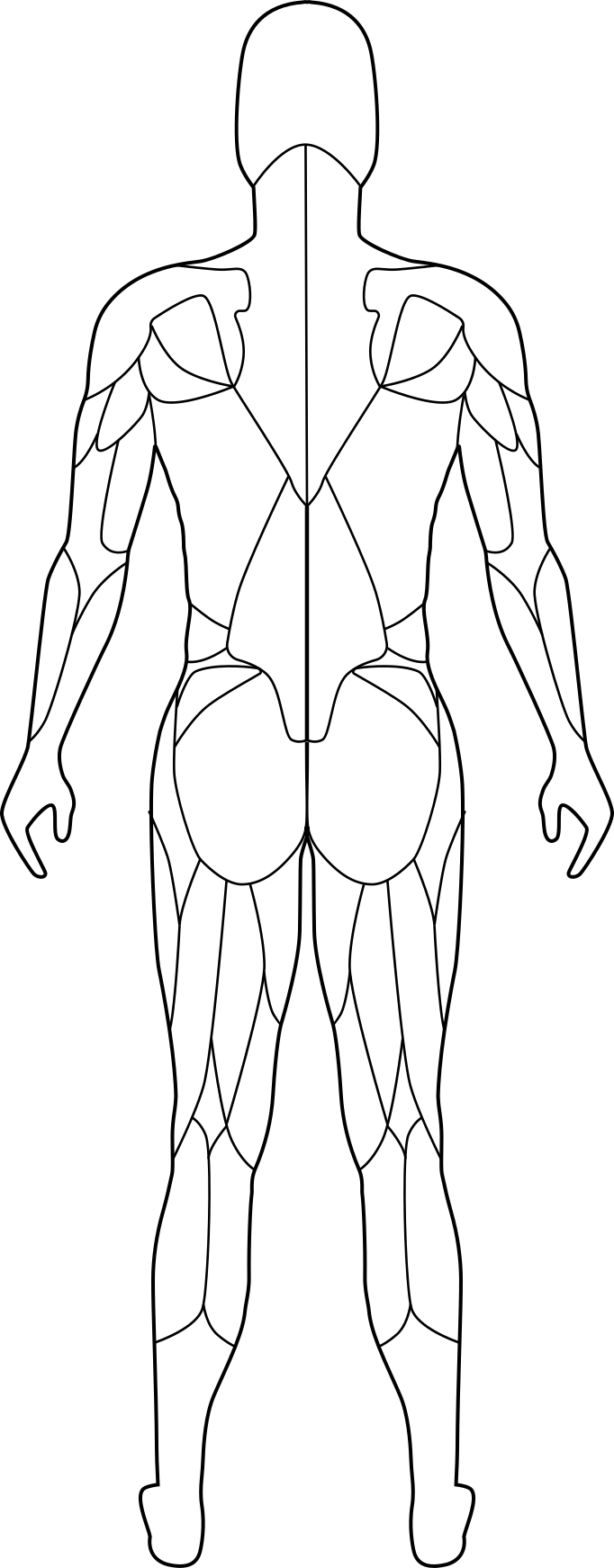
Muscles worked
The Upright Row mainly works your traps, anterior delts and lateral delts, with your biceps helping.


Setting up
- Load the bar with a light weight to start. The empty bar (usually 20kg) or less is plenty while you learn the movement. Lift it off the rack or the floor and stand tall.
- Take an overhand grip about shoulder-width apart. Slightly narrower is fine, but going very narrow makes the lift harder to control.
- Stand with your feet hip-width apart and the bar resting against the front of your thighs, arms straight but not locked.
- Keep your chest up, shoulders relaxed and ribs down, and tighten your stomach as if bracing for a nudge.
How to do the Upright Row
- Start with the bar against your thighs, standing tall with your weight balanced through the middle of your feet.
- Begin the pull by driving your elbows up and out to the sides, not by yanking with your hands.
- Keep the bar close, so it slides up your thighs, over your stomach and towards your lower chest.
- Stop when the bar reaches lower-chest height, with your elbows level with or just below your shoulders. Chin height is the absolute limit, and you don't need to go that high.
- Pause briefly and feel your traps and the sides of your shoulders working.
- Lower the bar slowly back to your thighs over about two seconds, keeping your elbows leading the movement down, until your arms are straight again.
Form tips
- Think of your hands as hooks and your elbows as the part doing the lifting. This keeps the work in your shoulders and traps rather than your arms.
- Keep the bar brushing your body all the way up and down. If it drifts forward, the lift gets harder to control.
- Stay tall with your ribs down and your knees soft. Your upper body shouldn't lean back or rock to get the bar moving.
- Lift for a count of one and lower for a count of two. If you can't control the way down, the weight is too heavy.
- Use a lighter weight than you would for a row or a press. This is a shoulder and trap exercise, and form matters more than load.
- If you feel pinching or pain in your shoulders, stop and get it checked.
Common mistakes
Swinging the bar up
Lower the weight and keep your knees and hips still. Pull from a dead stop at your thighs on every rep so your shoulders and traps do the work, not momentum.
Pulling too high
Stop at lower-chest height with your elbows no higher than your shoulders. Going higher adds little for your traps and delts and makes the movement harder to control.
Letting the bar drift away from your body
Keep the bar skimming your thighs and stomach throughout. Keep your elbows pointing out to the sides and your chest tall to stay in a straight line.
Leading with the hands or only shrugging
Start the pull by driving your elbows up and out, and keep your shoulders away from your ears at the start. You should feel the work through the sides of your shoulders as well as your traps.
Sets and reps
| Build strength | 3-4 sets of 6-8 reps with a challenging but controlled weight, resting 2 minutes between sets. Keep every rep strict. |
|---|---|
| Build muscle | 3-4 sets of 8-12 reps, resting 60-90 seconds. Use a slow lowering phase and stop each set with a couple of clean reps left in the tank. |
| Fat loss and general fitness | 2-3 sets of 12-15 reps with a lighter weight, resting 45-60 seconds, as part of a full-body workout. |
Pick a weight where the last rep or two of each set is hard but your form stays clean. When every set feels easy, it's time to go up.
Upright Row alternatives
Machine taken, or want some variety? These work the same main muscles.
Upright Row FAQs
What muscles do upright rows work?
The barbell upright row mainly works your traps and the front and side of your shoulders. Your biceps assist as you bend your arms to lift the bar.
How high should I pull an upright row?
Pull to about lower-chest height, with your elbows level with or just below your shoulders. Chin height is the top limit, but you don't need it to work your traps and shoulders. If it feels uncomfortable at any height, stop and get it checked.
What grip width is best for upright rows?
Start with an overhand grip about shoulder-width apart. This is easier to control than a very narrow grip and lets your elbows travel out to the sides naturally. Adjust slightly if needed, but stick to a width that feels comfortable and stable.
Track your Upright Row progress
GymTracker builds your plan, pre-fills the weight from last time and tells you when to go up. Free.
Start free