Pec Deck Fly
The pec deck fly is a machine exercise where you sit and bring two arms together in front of you, so your chest does the work. It builds the chest without needing to balance a weight, which makes it a good choice for beginners and for anyone finishing off a chest session. The front of your shoulders helps a little, but the chest should be doing most of the work.
Muscles worked
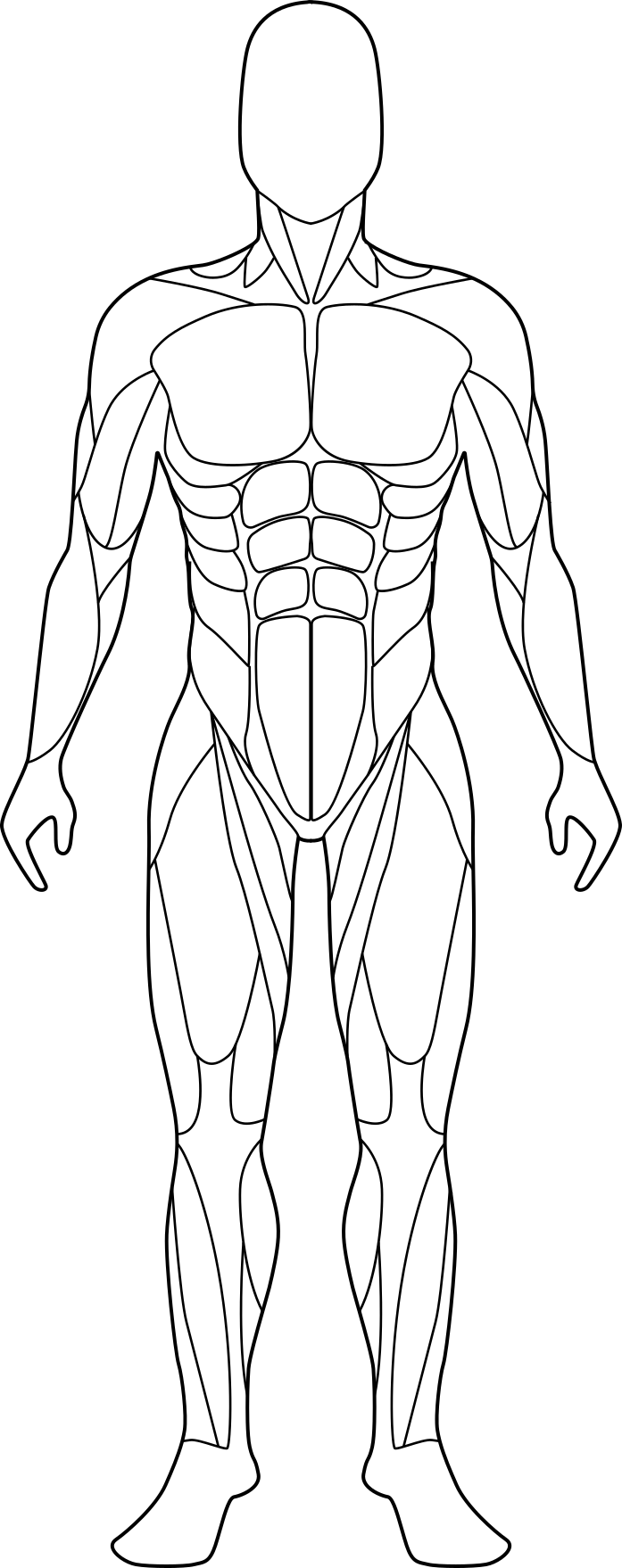
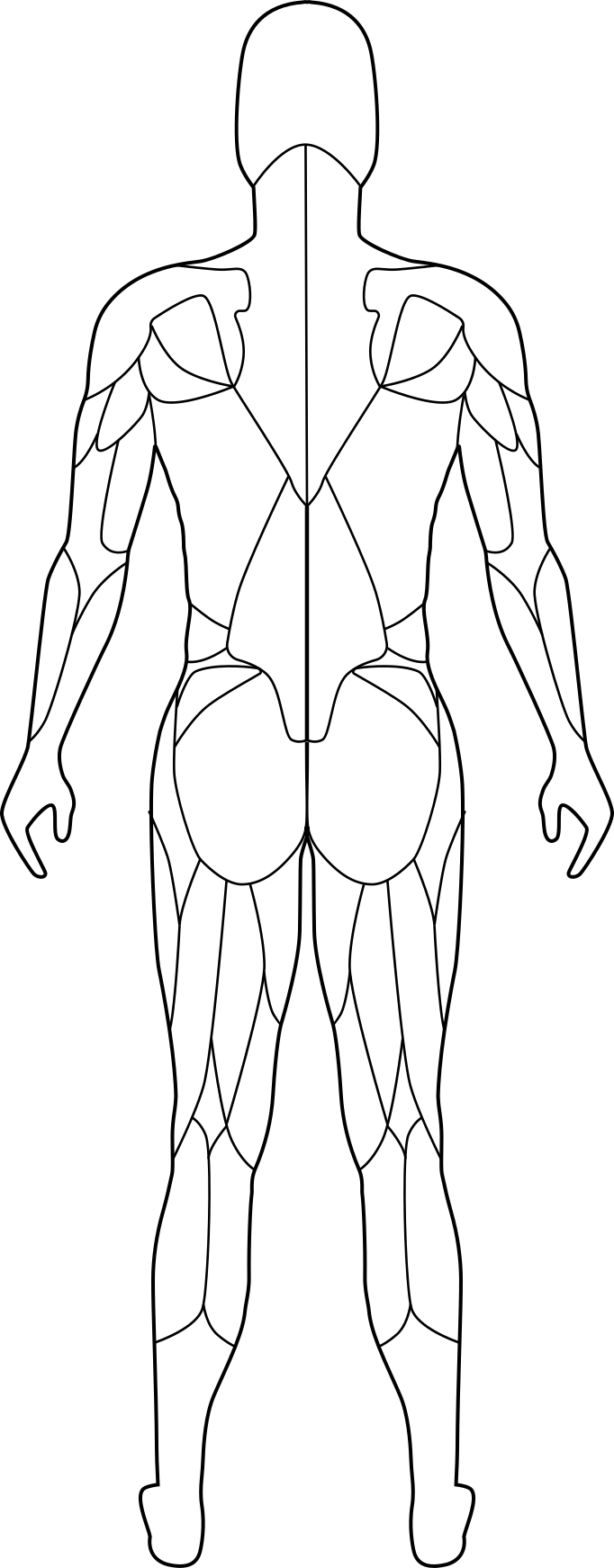
The Pec Deck Fly mainly works your chest, with your anterior delts helping.


Setting up
- Adjust the seat so that, with your upper arms out to the sides, your elbows or forearms sit level with the middle of your chest, roughly in line with your shoulders or just below.
- Sit with your back and hips flat against the pad and your feet planted on the floor, about hip-width apart.
- Place your forearms against the arm pads (or hold the handles if your machine has them) with your elbows bent at about 90 degrees. Choose a light weight first, so you can control it.
- If the machine has a range adjuster, set the start position so your arms stop level with, or just in front of, your shoulders rather than pulled far behind you.
How to do the Pec Deck Fly
- Sit tall with your chest up, shoulder blades gently drawn back and down, and your back against the pad.
- Start with your arms out to the sides, elbows roughly level with your chest, feeling a comfortable stretch across the front of your chest.
- Breathe out and press your forearms into the pads, driving your elbows together in a smooth arc in front of you.
- Keep going until the pads meet or nearly meet in front of your chest, and squeeze your chest hard for one second.
- Breathe in and let the pads open slowly over about 2 to 3 seconds, keeping tension on your chest the whole way.
- Stop when your elbows are level with your shoulders, or just behind them, and begin the next rep without letting the weight stack touch down.
Form tips
- Think about pushing your elbows together rather than squeezing with your hands. This keeps the work in your chest.
- Keep your shoulder blades pinned back against the pad throughout, so your shoulders do not roll forward as the arms close.
- Lower the weight slower than you lift it. A 2 to 3 second return is where much of the benefit comes from.
- Keep your head back against the pad and your neck relaxed, with your wrists straight and in line with your forearms.
- Use a weight you can control through the full range. If you need to swing or lean to move it, it is too heavy.
Common mistakes
Letting the arms go too far back
Stop when your elbows are level with your shoulders or slightly behind. Use the range adjuster if your machine has one, and never force a stretch that pinches the front of your shoulders.
Shoulders rolling forward
Keep your chest lifted and your shoulder blades against the pad as you squeeze. If your shoulders hunch up towards your ears, lower the weight and set the seat again.
Using momentum
If you rock your torso or bounce the pads at the start of each rep, the weight is too heavy. Drop the load and pause briefly at the squeeze.
Seat set at the wrong height
If your arms are well above or below chest height, the movement can feel awkward in the shoulders and less like a chest exercise. Raise or lower the seat until your elbows or forearms line up with the middle of your chest.
Sets and reps
| Build strength | This is an isolation machine, so it is not the best choice for heavy strength work. Use it after your main presses: 3 sets of 8-10 reps with a controlled tempo, resting 90 seconds. |
|---|---|
| Build muscle | 3-4 sets of 10-15 reps, resting 60-90 seconds. Take each set close to the point where you could manage 1-2 more good reps. |
| Fat loss and general fitness | 2-3 sets of 12-15 reps with 45-60 seconds rest, as part of a full-body routine with other exercises that use larger muscle groups. |
Pick a weight where the last rep or two of each set is hard but your form stays clean. When every set feels easy, it's time to go up.
Pec Deck Fly alternatives
Machine taken, or want some variety? These work the same main muscles.
Pec Deck Fly FAQs
What muscles does the pec deck fly work?
It mainly works your chest. The front of your shoulders (the anterior delts) helps to move the arms, but the machine keeps most of the effort on the chest.
How heavy should I go on the pec deck?
Pick a weight that lets you do 10-15 controlled reps, squeezing at the middle and lowering slowly. If you have to lean or jerk to get the pads moving, reduce the weight. The last couple of reps should feel hard, but your form should stay the same.
Is the pec deck better than dumbbell flys?
Neither is better for everyone. The pec deck is easier to learn because the machine guides the movement and keeps tension on your chest, which is helpful for beginners. Dumbbell flys need more balance and control, so many people use the machine to finish a chest workout.
Track your Pec Deck Fly progress
GymTracker builds your plan, pre-fills the weight from last time and tells you when to go up. Free.
Start free