
Incline Dumbbell Press
The incline dumbbell press is a compound pressing exercise done on an adjustable bench set to a slight incline. It builds the chest, especially the upper part, with help from the triceps and the front of the shoulders. It suits beginners and experienced lifters alike, as dumbbells let each arm move in its own natural path.
Muscles worked
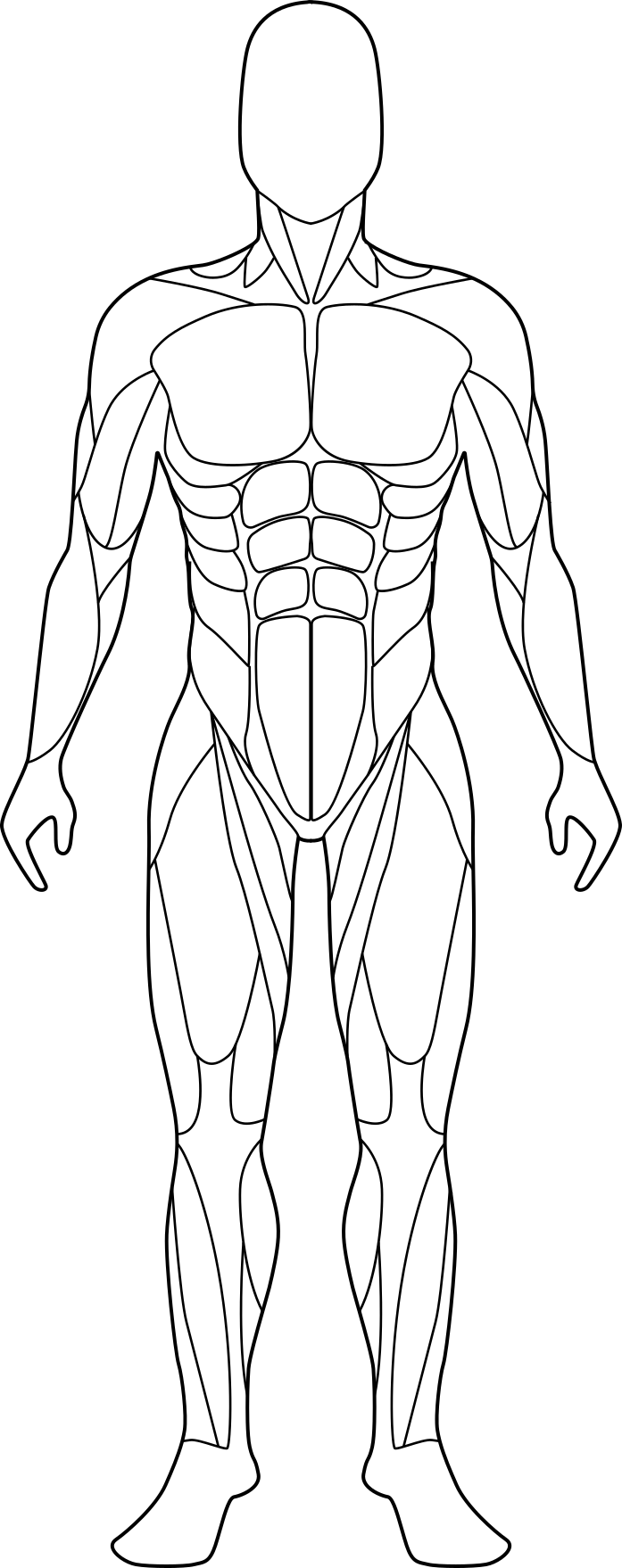
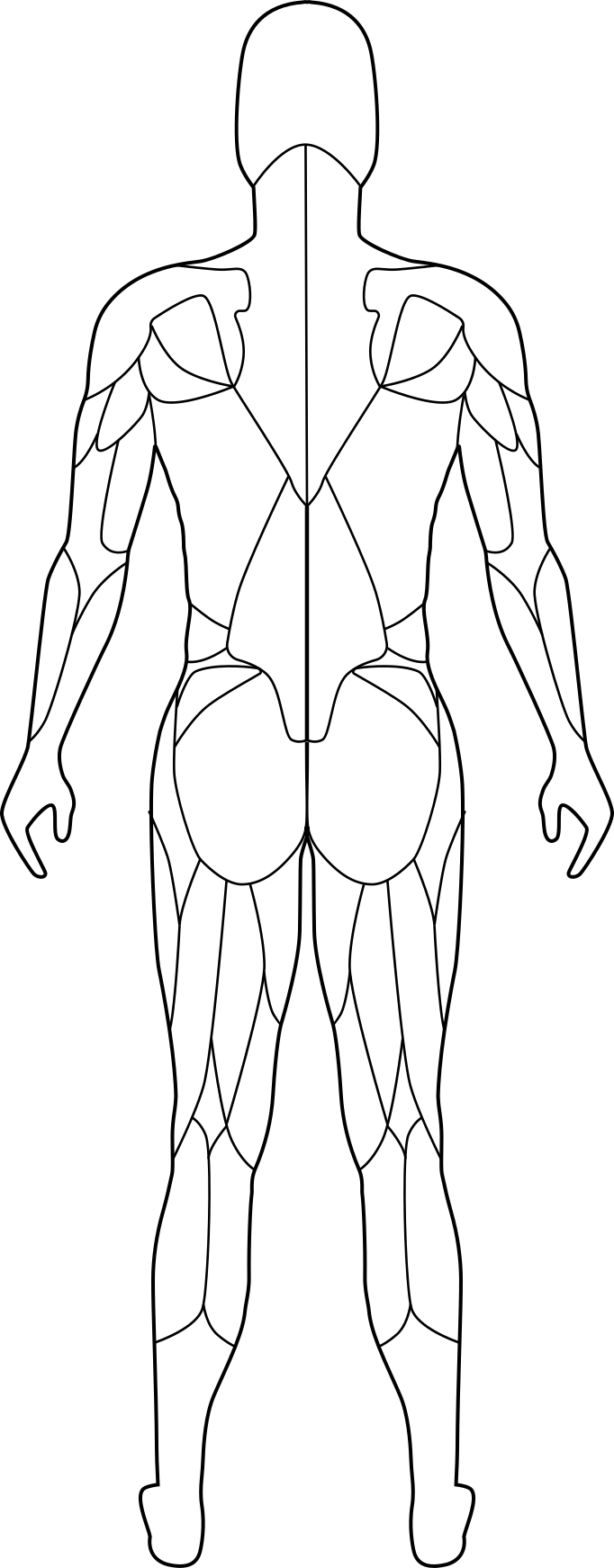
The Incline Dumbbell Press mainly works your chest, with your triceps and anterior delts helping.


Setting up
- Set the bench to 30-45 degrees. Around 30 degrees is a good place to start, as steeper angles shift more of the work onto your shoulders.
- Pick up the dumbbells and sit with them resting on your thighs, then lie back and use your thighs to help kick each one up to shoulder height, one at a time.
- Plant your feet flat on the floor, roughly under your knees. Pull your shoulder blades back and down into the bench, and keep your head, upper back and bottom in contact with the pad.
- Hold the dumbbells at the sides of your upper chest with your palms facing forward or slightly angled in, and your wrists stacked directly over your elbows.
How to do the Incline Dumbbell Press
- Start with the dumbbells at shoulder height, either side of your upper chest, elbows pointing out and slightly down at roughly 45-60 degrees from your body.
- Take a breath in and brace your stomach, keeping your shoulder blades pinched back and down against the bench.
- Press the dumbbells up and slightly inwards, so they finish directly above your upper chest and shoulders.
- Straighten your arms fully without slamming the dumbbells together, and keep your shoulders from shrugging up towards your ears.
- Pause briefly at the top, squeezing your chest.
- Lower the dumbbells under control over about 2-3 seconds, back to the sides of your upper chest, feeling a stretch across the chest.
- Breathe out as you press, and repeat for your reps. At the end of the set, bring the dumbbells back to your thighs and sit up carefully.
Form tips
- Keep your forearms vertical throughout. If the dumbbells drift towards your head or feet, your wrists and elbows are out of line.
- Think about pushing yourself away from the dumbbells into the bench, rather than just lifting the weights up.
- Keep your shoulder blades tucked back and down the whole set. This protects your shoulders and keeps your chest doing the work.
- Squeeze your chest as if bringing your upper arms towards each other at the top, rather than clanking the dumbbells together.
- Start lighter than you think you need to. Dumbbells take more control than a machine, so learn the path before you load up.
Common mistakes
Bench set too steep
Lower the bench to 30-45 degrees. If it's close to upright, it becomes more of a shoulder press and the chest does less of the work.
Elbows flared out wide
Tuck your elbows to about 45-60 degrees from your body, not straight out to the sides. Your forearms should stay vertical, with the dumbbells above your elbows.
Bouncing or rushing the lowering phase
Lower the dumbbells slowly over 2-3 seconds and press smoothly from the bottom. If you can't control the descent, the weight is too heavy.
Shoulders rolling forward and lifting off the bench
Pinch your shoulder blades back and down before the first rep and keep them there. Your upper back should stay in contact with the pad all the way through.
Sets and reps
| Build strength | 3-5 sets of 4-6 reps with a challenging weight, resting 2-3 minutes between sets. |
|---|---|
| Build muscle | 3-4 sets of 8-12 reps, resting 60-90 seconds between sets, stopping each set with a rep or two left in reserve. |
| Fat loss and general fitness | 2-3 sets of 12-15 reps with a lighter weight, resting 45-60 seconds, as part of a full-body workout done 2-3 times a week. |
Pick a weight where the last rep or two of each set is hard but your form stays clean. When every set feels easy, it's time to go up.
Incline Dumbbell Press alternatives
Machine taken, or want some variety? These work the same main muscles.
Incline Dumbbell Press FAQs
What angle should I set the bench to for incline dumbbell press?
30-45 degrees works well for most people. A lower angle of around 30 degrees keeps more focus on the chest, while going much steeper brings the front of the shoulders in more.
Is incline dumbbell press better than flat bench press?
Neither is better, they just emphasise different areas. The incline press puts more focus on the upper chest, while a flat press tends to let you use heavier weights. Many people include both in their plan.
How heavy should the dumbbells be when I start?
Choose a weight you can press for 10-12 controlled reps with 2 or so left in the tank. Most people can lift less on incline than flat, so don't be put off if the weight feels light at first. If your form slips, drop the weight. If anything hurts, stop and get it checked.
Track your Incline Dumbbell Press progress
GymTracker builds your plan, pre-fills the weight from last time and tells you when to go up. Free.
Start free