
Dumbbell Flyes
The dumbbell fly is a chest isolation exercise where you lower a pair of dumbbells out to your sides in a wide arc, then bring them back together over your chest. It works the chest through a long stretch and a strong squeeze, with the front of the shoulders helping out. It suits beginners and experienced lifters alike, as long as you choose a light weight and keep the movement controlled.
Muscles worked
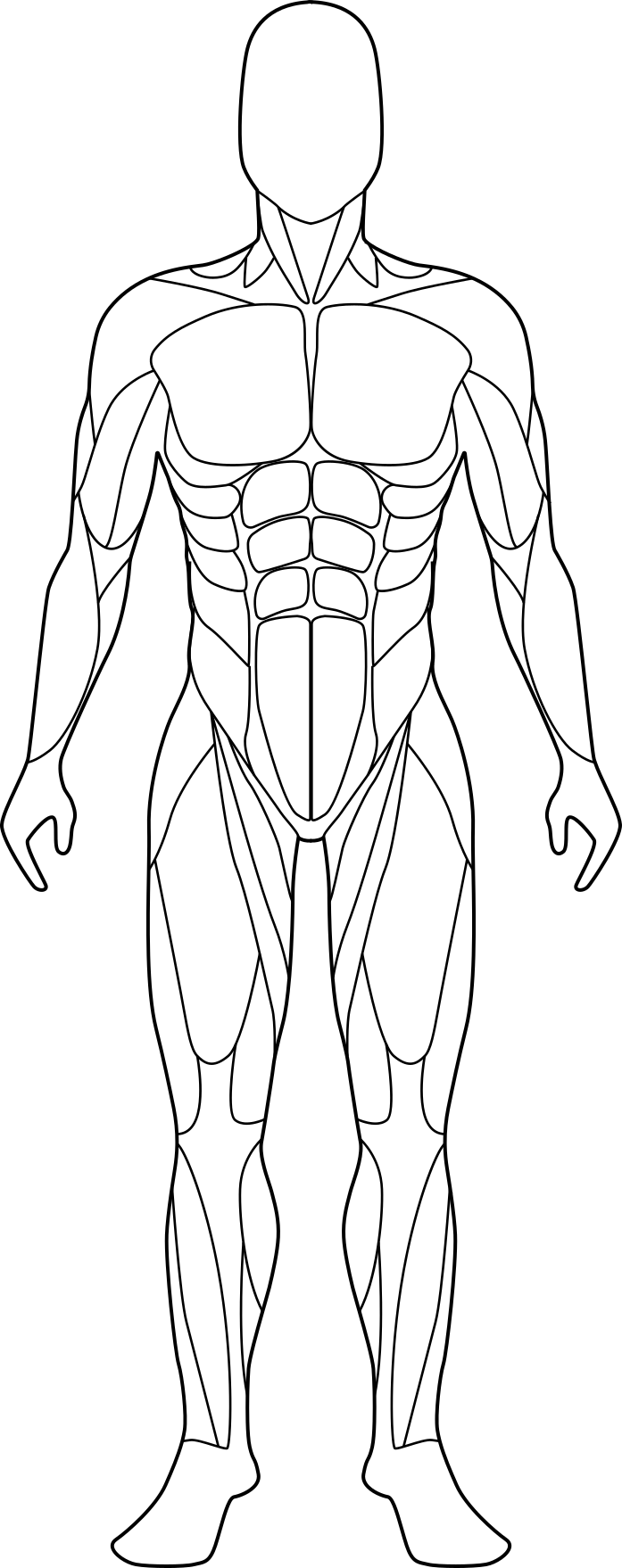
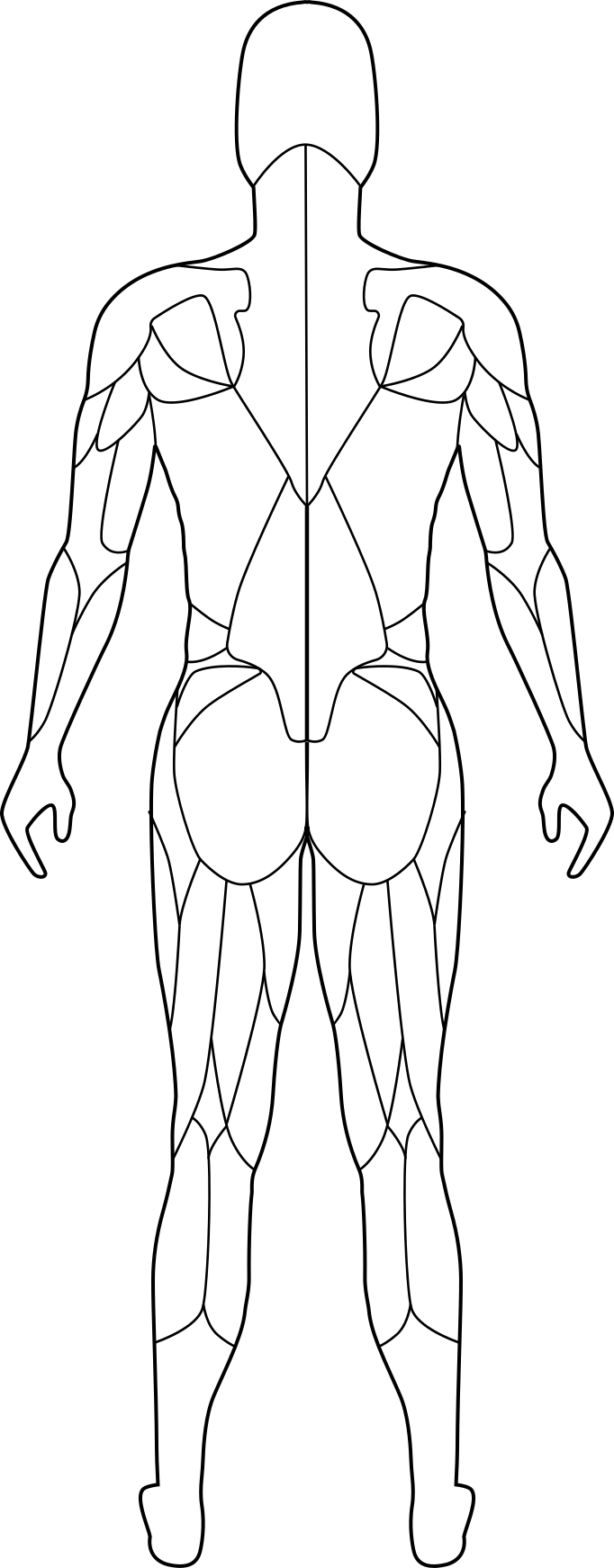
The Dumbbell Flyes mainly works your chest, with your anterior delts helping.


Setting up
- Pick a light pair of dumbbells to start with. Flyes need far less weight than a dumbbell press, so begin with 5-8 kg each and build up gradually.
- Sit on the end of a flat bench with the dumbbells resting on your thighs, then lie back and bring them up over your chest one at a time. Using your knees to help lift them into position can make this easier.
- Plant your feet flat on the floor, press your shoulder blades back and down into the bench, and keep your head, upper back and bum in contact with it throughout.
- Hold the dumbbells over the middle of your chest with palms facing each other and a soft bend in your elbows. Keep that same bend for the whole set.
How to do the Dumbbell Flyes
- Start with the dumbbells directly above your chest, palms facing in, elbows softly bent and your chest lifted slightly.
- Take a breath in and begin to open your arms out to the sides in a wide arc, as if you were hugging a large tree.
- Lower the dumbbells slowly until your upper arms are roughly level with your chest, or just below. You should feel a stretch across the chest, not in the front of your shoulders.
- Pause briefly at the bottom, keeping your elbow angle exactly the same as when you started.
- Breathe out and bring the dumbbells back up along the same arc, thinking about squeezing your upper arms towards each other across your chest.
- Stop with the dumbbells above your chest, close together but not clanking, and keep a little tension in your chest before starting the next rep.
- When your set is finished, bring the dumbbells down to your thighs one at a time and sit up carefully.
Form tips
- Think of the movement as a hug, not a press. Your elbows should stay in the same slightly bent position, so the dumbbells travel in an arc rather than pushing up and down.
- Keep your shoulder blades pinned back and down against the bench. This keeps the work in your chest and stops your shoulders rolling forward at the bottom.
- Take 2-3 seconds to lower the weights. The lowering phase is where the stretch happens, so don't drop into it.
- Stop the dumbbells when you feel a good stretch across your chest. Going deeper than that doesn't add much and puts more strain on your shoulders.
- Go lighter than you think you need to. If you can't control the weight on the way down, it's too heavy.
Common mistakes
Using weights that are too heavy
Drop the weight until you can lower the dumbbells slowly and keep the same arc on every rep. Flyes are not a lift to go heavy on, and a lighter weight done well works your chest better.
Turning it into a press
Your elbows are bending and straightening as you move, which turns the fly into a press. Keep a fixed, soft bend in your elbows and move only from the shoulders, like opening and closing a book.
Lowering too far
If your elbows drop well below the bench, the stretch moves into the front of your shoulders. Stop when your upper arms are about level with your chest and you feel the stretch across your chest.
Lifting your bum or arching hard
Keep your feet flat, your bum on the bench and your upper back tight to the pad. A small natural arch in your lower back is fine, but if you are lifting your hips to move the weight, reduce the load.
Sets and reps
| Build strength | Flyes are not a main strength lift. Use them after a pressing exercise for 2-3 sets of 10-12 reps with light to moderate weights, resting 60-90 seconds. |
|---|---|
| Build muscle | 3 sets of 10-15 reps with a controlled 2-3 second lowering phase, resting 60-90 seconds. Do them once or twice a week after your main chest exercise. |
| Fat loss and general fitness | 2-3 sets of 12-15 reps with a light weight, resting 45-60 seconds, as part of a full-body or upper-body workout 2-3 times a week. |
Pick a weight where the last rep or two of each set is hard but your form stays clean. When every set feels easy, it's time to go up.
Dumbbell Flyes alternatives
Machine taken, or want some variety? These work the same main muscles.
Dumbbell Flyes FAQs
What muscles do dumbbell flyes work?
Dumbbell flyes mainly work your chest, particularly as it stretches and then squeezes the arms together. Your anterior delts, the front of your shoulders, help to control the movement.
How heavy should dumbbell flyes be?
Much lighter than you would use for a dumbbell press. Choose a weight that lets you lower the dumbbells slowly, keep your elbows in the same position and finish every rep with 1-2 left in the tank. Many people start with 5-8 kg dumbbells.
Should I do flyes or bench press for chest?
They do different jobs. Presses let you lift heavier and are usually the main chest exercise, while flyes isolate the chest with lighter weights. Most people do a press first, then flyes afterwards. If anything hurts in your shoulders when you do them, stop and get it checked.
Track your Dumbbell Flyes progress
GymTracker builds your plan, pre-fills the weight from last time and tells you when to go up. Free.
Start free