
Barbell Bench Press
The barbell bench press is a compound lift where you lie on a flat bench and press a loaded bar away from your chest. It mainly builds your chest, with help from your triceps and anterior delts. It suits beginners who are happy to start light and learn the movement, and experienced lifters who want to track progress with small weight increases.
Muscles worked
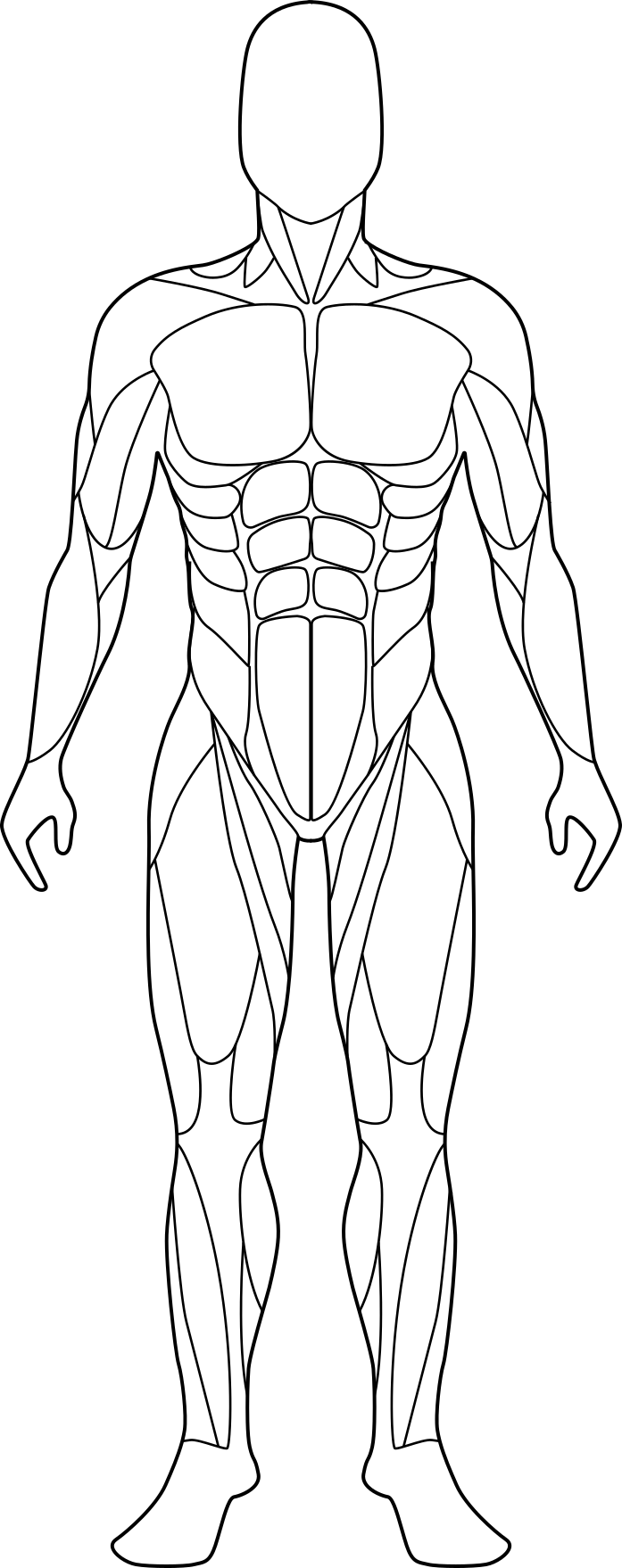
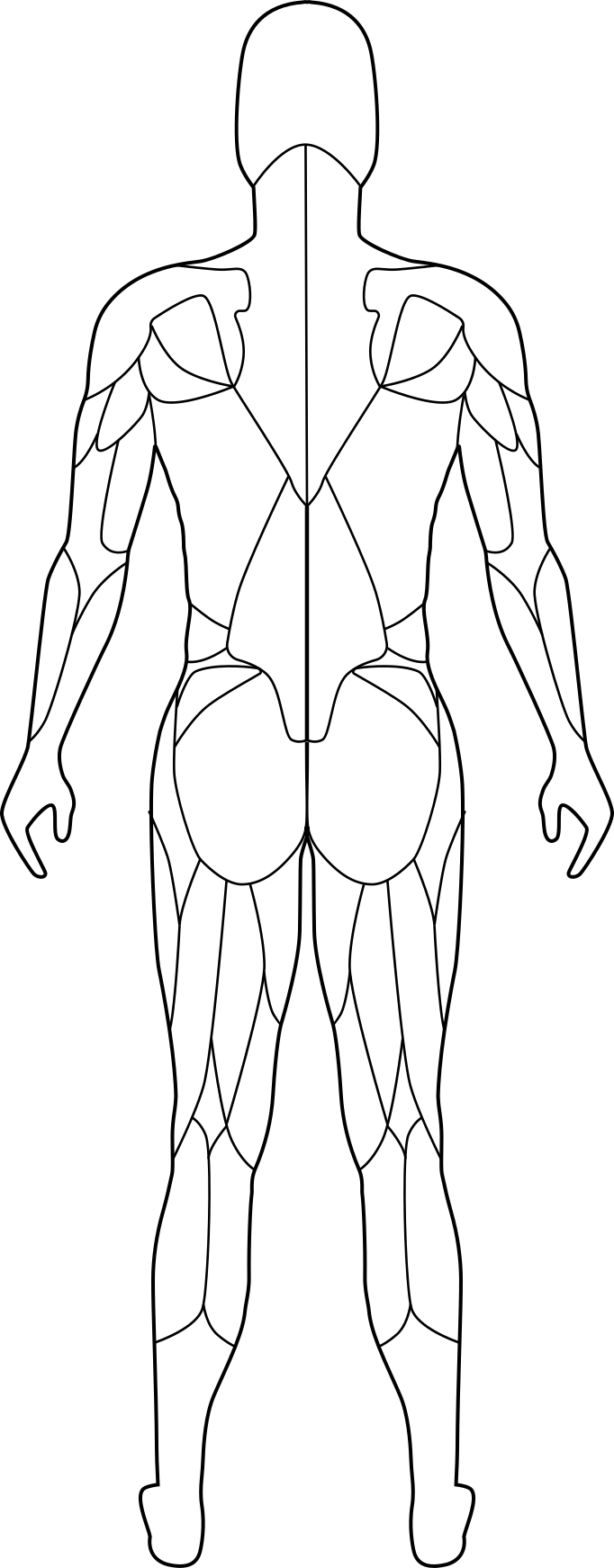
The Barbell Bench Press mainly works your chest, with your triceps and anterior delts helping.


Setting up
- Set the bar in the rack at a height you can unrack with your arms nearly straight. Set the safety arms just below your chest height when lying down, or ask a spotter to stand behind the bench.
- Lie down so your eyes are directly under the bar. Your head, upper back and backside should all stay on the bench for the whole set, with your feet flat on the floor.
- Grip the bar slightly wider than shoulder-width with your thumbs wrapped around it. The bar should sit low in the palm, over the heel of your hand, so your wrists stay stacked over your forearms.
- Squeeze your shoulder blades together and down, as if tucking them into your back pockets. Then take a big breath into your belly and keep your chest high.
How to do the Barbell Bench Press
- Straighten your arms to unrack the bar, then move it over your shoulders so it sits above your upper chest with your elbows locked.
- Take a big breath in, tighten your midsection, and keep your shoulder blades pinned back against the bench.
- Lower the bar under control, taking about two seconds, with your elbows at roughly 45 to 70 degrees from your sides rather than flared straight out.
- Touch the bar lightly to your mid-chest, around the nipple line, with your forearms close to vertical.
- Press the bar back up by pushing yourself into the bench and driving your feet into the floor. The bar should travel in a slight arc back towards your face-side, finishing above your shoulders.
- Lock out your elbows at the top, then repeat. When the set is done, guide the bar back into the rack hooks before you let go.
Form tips
- Think about pushing yourself away from the bar, into the bench, rather than just pushing the bar up. This keeps your upper body tight.
- Keep your forearms vertical when the bar is at your chest. If the bar is drifting over your stomach or your face, your path is off.
- Squeeze the bar hard as if you are trying to bend it. This keeps your wrists straight and helps your arms work evenly.
- Press your feet firmly into the floor throughout the lift, with your heels or the whole foot planted, whichever feels steadier for you.
- Use collars on the bar and load both sides evenly. If you are training heavy or alone, always use the safety arms or a spotter.
Common mistakes
Bouncing the bar off your chest
Lower the bar slowly and touch your chest lightly, then press straight away. If you need a bounce to get it up, the weight is too heavy, so drop it by 5 to 10 kg.
Flaring your elbows out to 90 degrees
Tuck your elbows to about 45 to 70 degrees from your torso. You should feel the load across your chest and the back of your arms rather than pinching at the front of your shoulders.
Lifting your backside off the bench
Keep your backside, upper back and head in contact with the bench for the whole rep. Plant your feet firmly and lower the weight so you can press without arching up off the pad.
Letting your wrists bend back
Place the bar low in your palm over the heel of your hand, so it sits in line with your forearm. Keep your grip tight and your wrist straight as you lower and press.
Sets and reps
| Build strength | 3-5 sets of 3-6 reps with a heavy but controlled weight, resting 2-4 minutes between sets. Add weight in small steps once every rep looks good. |
|---|---|
| Build muscle | 3-4 sets of 6-12 reps, resting 60-120 seconds. Choose a weight that leaves you with 1-2 reps in reserve on each set. |
| Fat loss and general fitness | 2-3 sets of 10-15 reps with a lighter weight, resting 45-60 seconds. Use it as part of a full-body session, 2-3 times a week. |
Pick a weight where the last rep or two of each set is hard but your form stays clean. When every set feels easy, it's time to go up.
Barbell Bench Press alternatives
Machine taken, or want some variety? These work the same main muscles.
Barbell Bench Press FAQs
How wide should my grip be on the bench press?
Aim for slightly wider than shoulder-width, so your forearms are close to vertical when the bar touches your chest. If your wrists are bent back or your elbows are flaring wide, move your hands in or out by a couple of centimetres until it feels stable.
How much weight should a beginner start with on the bench press?
Start with the empty bar, which is usually 20 kg, and practise 8-10 smooth reps until the movement feels controlled. Then add small amounts, such as 2.5 kg per side, while keeping your form tidy.
Do I need a spotter for the bench press?
For light weights it is not essential, but it is safer to have one. If you train alone, use a rack with the safety arms set just below chest height, and never use a bench without them when pushing close to failure. Stop if anything hurts and get it checked.
Track your Barbell Bench Press progress
GymTracker builds your plan, pre-fills the weight from last time and tells you when to go up. Free.
Start free