
Machine Chest Press
The machine chest press is a seated pressing exercise where you push two handles forward against a weight stack. It builds the chest, with help from your triceps and anterior delts. The machine guides the movement, so it suits beginners learning to press and anyone who wants to train the chest hard without balancing a bar or dumbbells.
Muscles worked
The Machine Chest Press mainly works your chest, with your triceps and anterior delts helping.
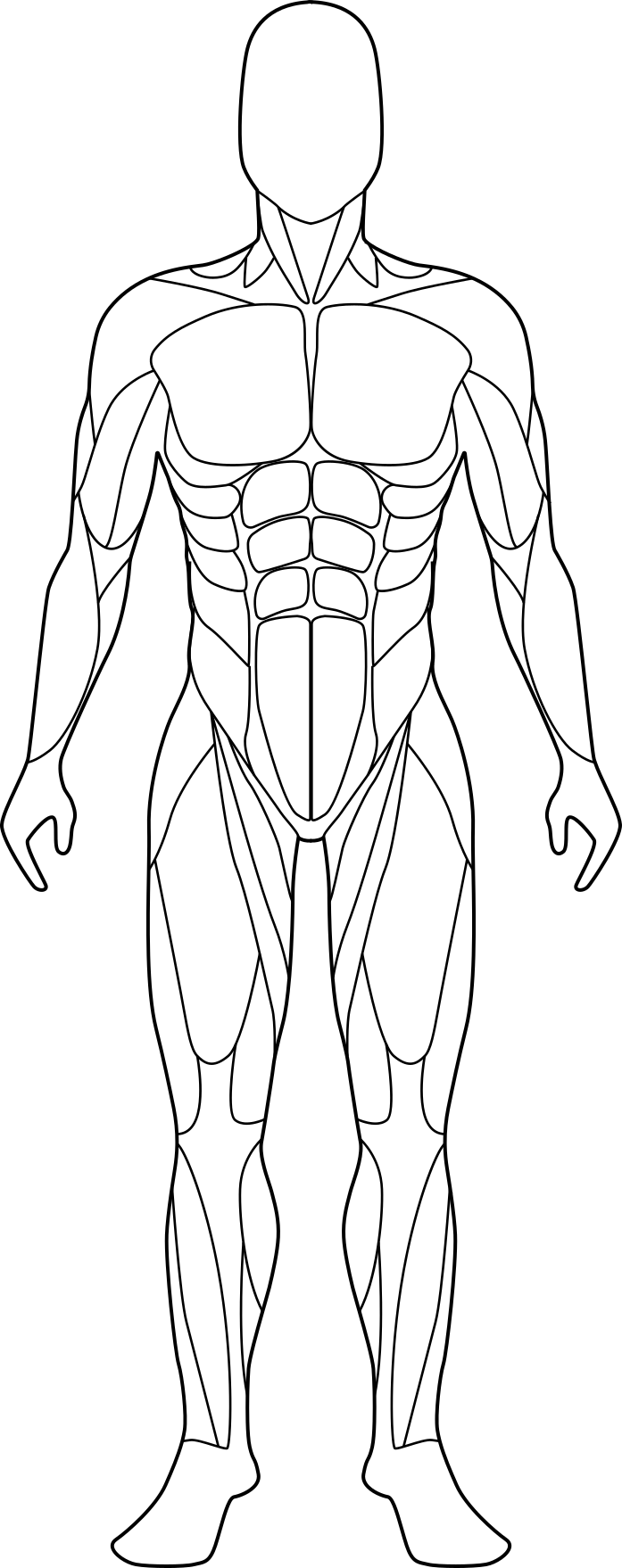

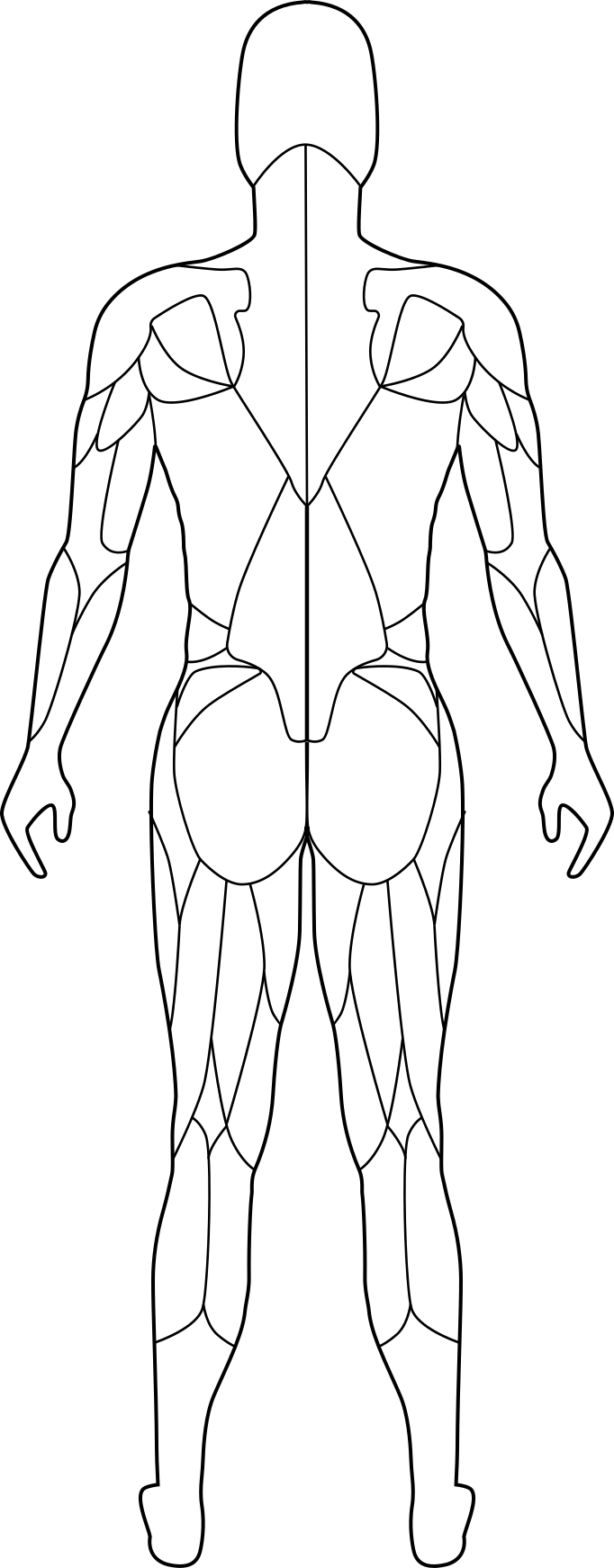

Setting up
- Adjust the seat so the handles line up with the middle of your chest, roughly level with your nipples. If the handles sit too high or too low, your shoulders end up doing the work instead of your chest.
- Sit with your whole back against the pad and your feet flat on the floor. Pull your shoulder blades back and down, as if tucking them into your back pockets, and keep them there.
- Pick a light weight with the pin to start with. You should be able to finish every rep smoothly, with the stack moving under control.
How to do the Machine Chest Press
- Sit tall with your back and head against the pad, then grip the handles with your wrists straight and stacked over your forearms.
- Take a breath in and brace your midsection, keeping your shoulder blades pinned back and your shoulders away from your ears.
- Breathe out and press the handles straight forward until your arms are almost fully straight, stopping just short of locking your elbows.
- Squeeze your chest for a brief moment at the end, thinking about bringing your hands towards each other.
- Breathe in and let the handles return slowly over about 2 to 3 seconds, until your elbows are roughly level with your body and you feel a comfortable stretch across your chest.
- Stop before the weight plates touch the rest of the stack, then press again for your next rep.
Form tips
- Keep your back, shoulder blades and head against the pad throughout. If they lift off, the weight is probably too heavy.
- Let your elbows sit at about 45 degrees from your body rather than flaring straight out to the sides. This keeps the work on your chest and is easier on your shoulders.
- Push through the heels of your hands, not your fingertips, and keep your wrists straight.
- Take the lowering phase slower than the press. Controlling the return is where much of the benefit comes from.
- Stop if you feel pain (not just muscle effort) and get it checked.
Common mistakes
Seat set at the wrong height
Adjust the seat so the handles start at mid-chest level. If you feel it mainly in the front of your shoulders, the seat is likely too low.
Shoulders rolling forward
Pull your shoulder blades back and down against the pad before you start, and keep them there as you press. Your chest should lead the movement, not your shoulders.
Locking out hard or bouncing the weights
Stop just before your elbows lock, and lower the handles smoothly. Resting or bouncing the stack takes tension off the muscle and puts it through your joints.
Going too heavy and cutting the range short
Drop the weight until you can lower the handles to a comfortable stretch and press to near full extension on every rep. Add weight gradually once that feels easy.
Sets and reps
| Build strength | 3-5 sets of 4-6 reps with a challenging weight, 2-3 minutes rest between sets |
|---|---|
| Build muscle | 3-4 sets of 8-12 reps, 60-90 seconds rest. Choose a weight that makes the last 2 reps hard but still controlled. |
| Fat loss and general fitness | 2-3 sets of 12-15 reps at a moderate weight, 45-60 seconds rest, as part of a full-body session alongside cardio |
Pick a weight where the last rep or two of each set is hard but your form stays clean. When every set feels easy, it's time to go up.
Machine Chest Press alternatives
Machine taken, or want some variety? These work the same main muscles.
Machine Chest Press FAQs
Is the machine chest press as good as the bench press?
They are different tools. The machine guides the movement, so it is easier to learn and lets you work your chest hard without worrying about balance or a spotter. Free weights ask more of your stabilising muscles, so many people use both.
How should I set the seat height on a chest press machine?
Set it so the handles are level with the middle of your chest when you are sitting back against the pad. Your elbows should be slightly below shoulder height at the start of each rep. If it feels awkward, adjust one notch at a time.
How much weight should I use on the chest press machine?
Start light enough to complete 10 to 12 smooth, controlled reps with your back staying on the pad. If you can easily do more than 12 with good form, increase the weight by one plate or pin position at your next session.
Track your Machine Chest Press progress
GymTracker builds your plan, pre-fills the weight from last time and tells you when to go up. Free.
Start free