
Kettlebell Swing Clean
The kettlebell swing clean takes the bell from the floor, back between your legs and up to the front rack position at your chest in one fluid movement. The power comes from your hamstrings and glutes driving your hips forward, with your biceps and front delts guiding the bell rather than lifting it. It suits beginners who have learned a basic hip hinge and want a skill that leads into presses, squats and more advanced kettlebell work.
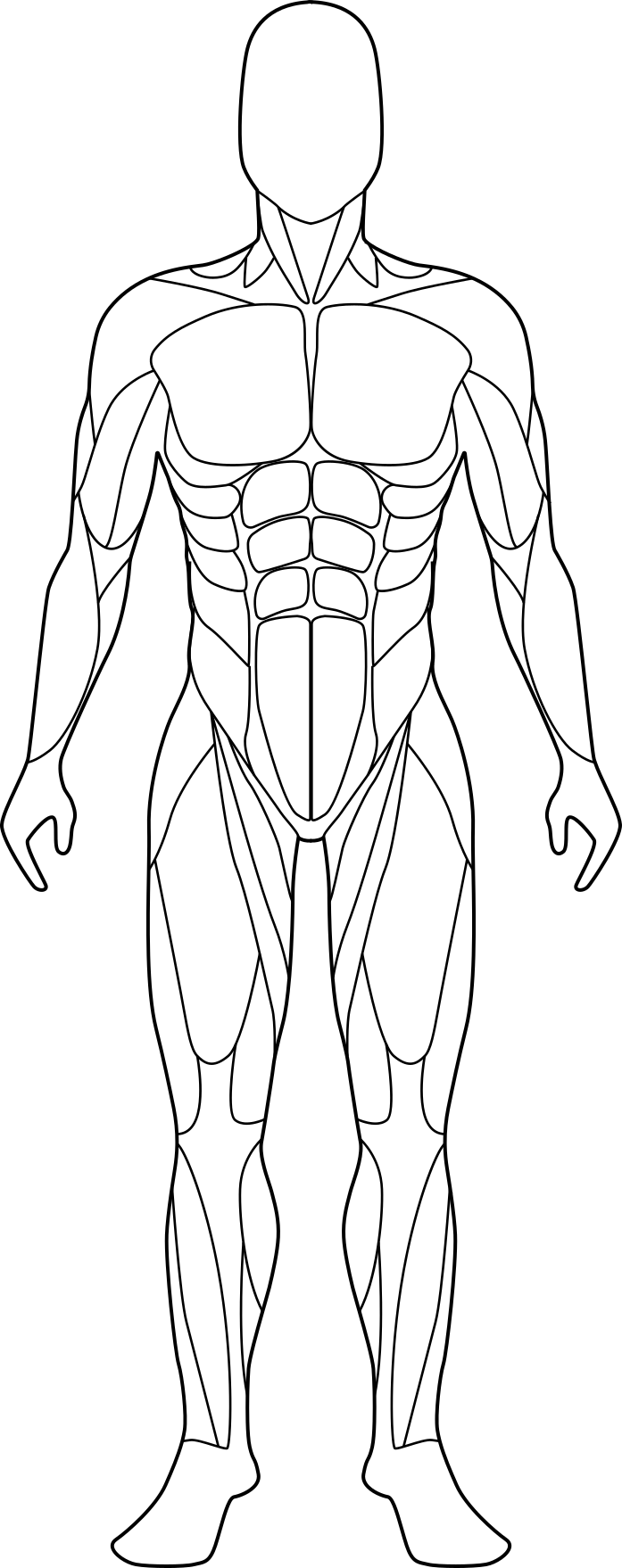
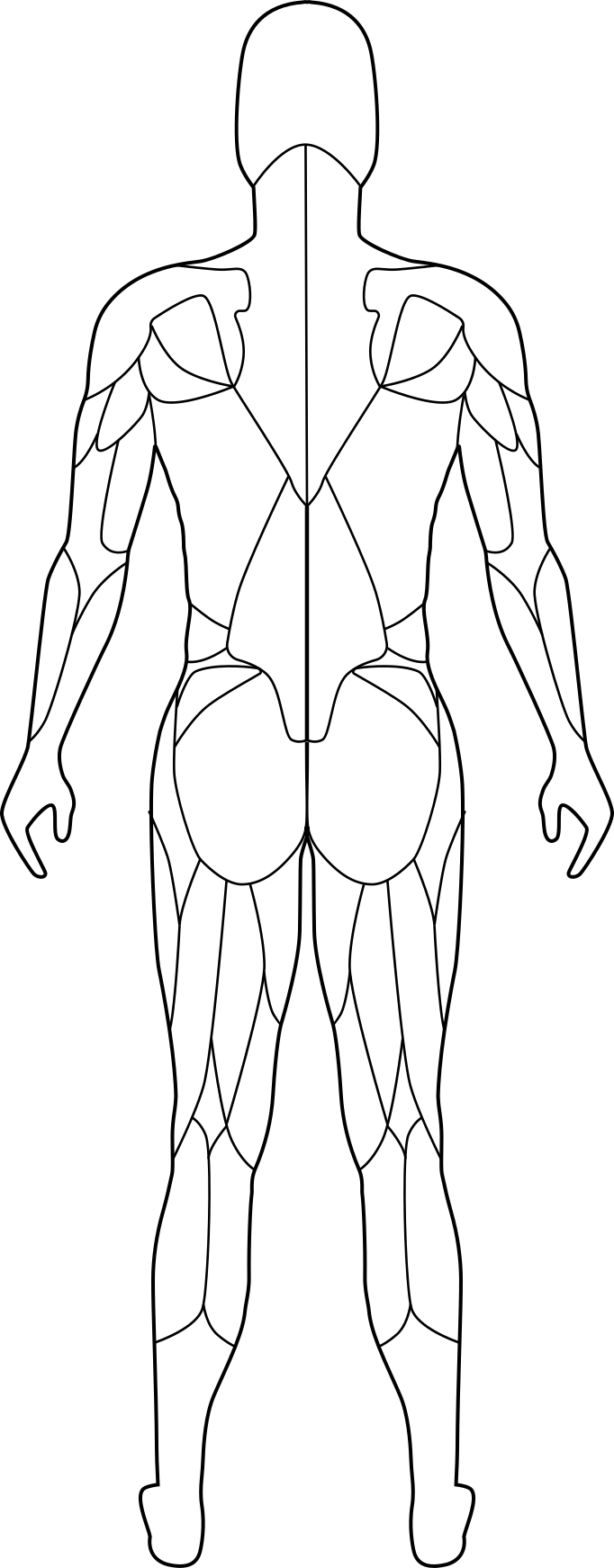
Muscles worked
The Kettlebell Swing Clean mainly works your hamstrings and glutes, with your biceps and anterior delts helping.


Setting up
- Choose a light to moderate kettlebell, such as 8-12 kg to start, and place it on the floor about a foot in front of you, handle level with your toes.
- Clear the space around you, especially in front. Wear flat trainers or go barefoot, and use a floor with good grip.
- Stand with your feet about shoulder-width apart, or with one foot slightly ahead if that feels steadier, and your toes turned out slightly.
- Before you start, practise the hip hinge with no weight: push your hips back, keep your back flat and let your knees bend only a little.
How to do the Kettlebell Swing Clean
- Hinge at the hips and reach forward to take hold of the handle with one hand, keeping your back flat and your chest proud.
- Tilt the bell towards you, then pull it back between your legs, keeping your arm close to your body and your forearm near your thigh.
- Snap your hips forward by squeezing your glutes hard and standing tall, so the bell swings up on the momentum from your hips.
- As the bell rises, pull your elbow in towards your waist and keep the bell close to your body rather than looping it out in front.
- Turn your hand around the handle so the bell rolls over and settles in the front rack position, with your thumb near your collarbone and your elbow tucked against your ribs.
- Stand tall for a moment, then reverse the move. Push the bell slightly away from your chest, let it drop, and hinge your hips back as it travels between your legs.
- Set the bell back on the floor, or go straight into the next rep. Complete all your reps on one side, then swap hands.
Form tips
- Think of it as a hip snap, not an arm pull. Your arm is just a rope connecting you to the bell.
- Keep the bell close. If it travels in a wide arc away from your body, it will crash down onto your wrist when it lands.
- Brace your midsection as if you were about to be nudged in the stomach, before you start each pull.
- At the top, finish standing tall with your glutes squeezed. Do not lean back to catch the bell.
- Let the bell fall into the rack with a relaxed grip, rather than clamping tightly on the handle, so your hand can turn smoothly around it.
Common mistakes
Squatting instead of hinging
Send your hips back as though closing a car door with your bum, with only a slight knee bend. The bell should travel behind you between your legs, and your shins should stay close to vertical.
Pulling the bell up with your arm
Keep your arm relaxed until the hips have fully extended. If you feel your biceps working hard early on, drop the weight and focus on a faster hip snap.
Bell banging onto your wrist or chest
Keep your elbow tucked in and the bell close to your body, then let your hand turn around the handle. Lighter weights and slower practice reps help you find the right path.
Rounding your back at the bottom
Keep your chest lifted and your gaze a few feet ahead on the floor. Stop the movement at a depth where your back stays flat, and reset between reps if you need to.
Sets and reps
| Build strength | 4-5 sets of 3-5 reps per side with a heavier bell you can still move crisply, resting 90-120 seconds between sets. |
|---|---|
| Build muscle | 3-4 sets of 8-10 reps per side with a moderate weight, resting 60-90 seconds between sets. |
| Fat loss and general fitness | 3-5 rounds of 10 reps per side with a lighter bell, resting 30-60 seconds between rounds. Keep the reps sharp and stop when your form starts to slip. |
Pick a weight where the last rep or two of each set is hard but your form stays clean. When every set feels easy, it's time to go up.
Kettlebell Swing Clean alternatives
Machine taken, or want some variety? These work the same main muscles.
Kettlebell Swing Clean FAQs
What is the difference between a kettlebell swing and a swing clean?
A swing sends the bell out in front of you to about chest height, and your hips do all the work. A swing clean takes the bell up and into the rack position at your chest. Learn the swing first, because the clean uses the same hip snap.
Why does the kettlebell bang my wrist when I clean it?
This usually happens when the bell swings out and away from your body, or your hand doesn't turn around the handle in time. Keep your elbow tucked in, pull the bell close and let your hand rotate around the handle as it rolls into the rack. A lighter bell makes the technique easier to learn.
What weight kettlebell should I start with?
Start light enough to move the bell with your hips and finish tall without straining. For many beginners that is around 8-12 kg, though you may need to go lighter. Only go up once every rep feels smooth and controlled. If you feel pain, stop and get it checked.
Track your Kettlebell Swing Clean progress
GymTracker builds your plan, pre-fills the weight from last time and tells you when to go up. Free.
Start free