
Dumbbell Deadlift
The dumbbell deadlift is a hip-hinge lift where you pick two dumbbells up off the floor and stand tall with them. It builds the hamstrings and glutes, with help from the quadriceps and lats. It suits beginners learning to hinge, and anyone training at home or in a busy gym without a barbell.
Muscles worked
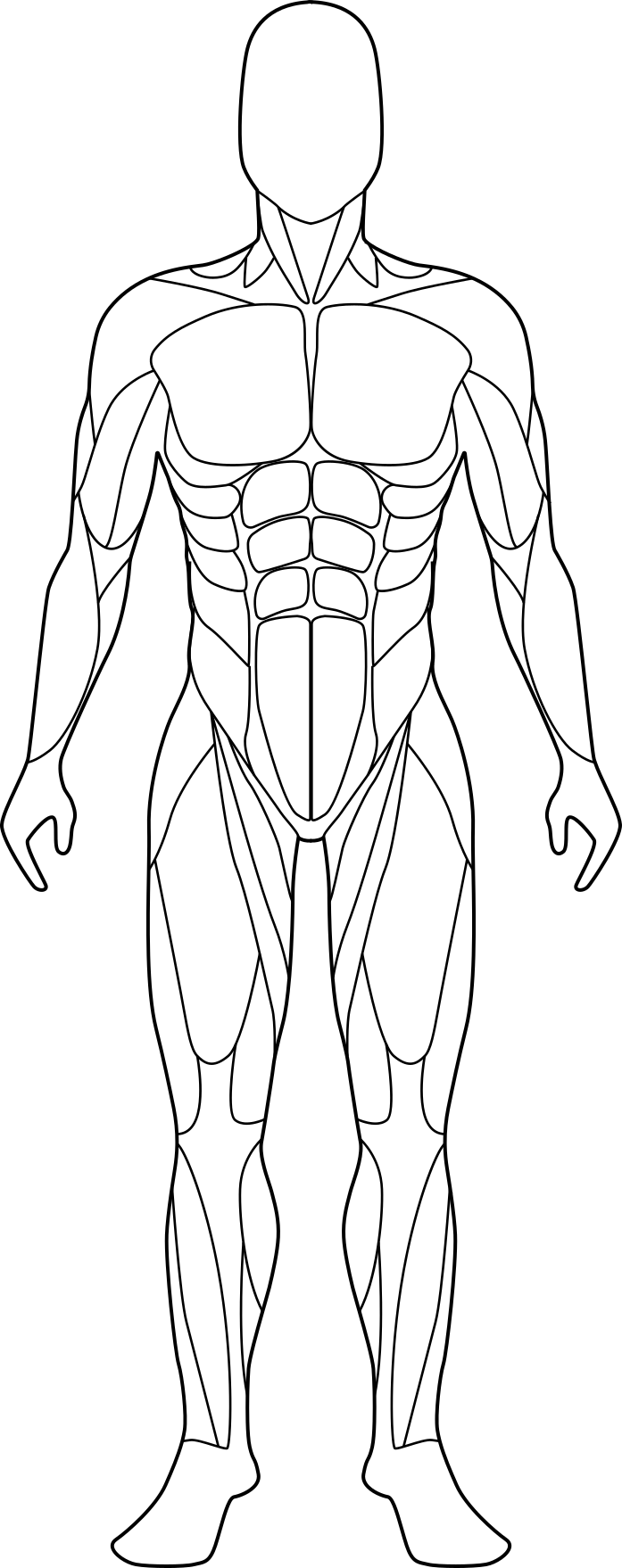
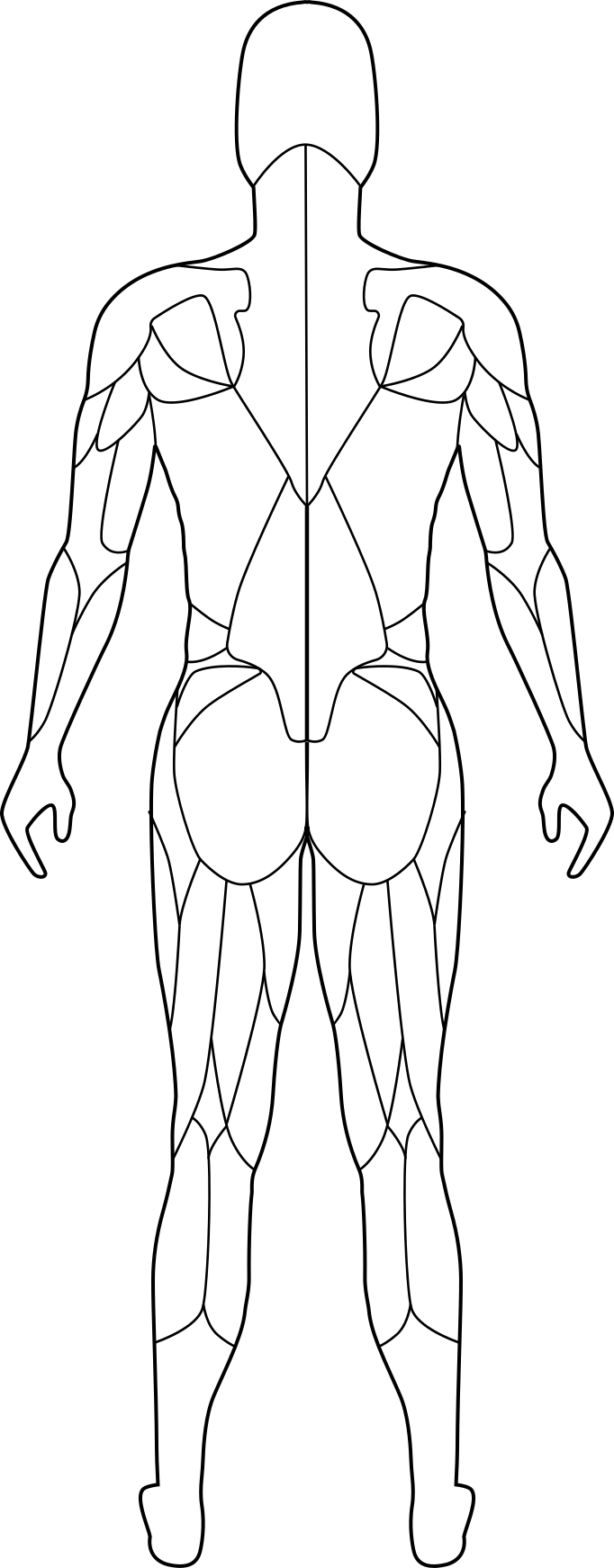
The Dumbbell Deadlift mainly works your hamstrings and glutes, with your quadriceps and lats helping.


Setting up
- Place the dumbbells on the floor, parallel to each other, just outside your feet. Hex dumbbells are best because they won't roll.
- Stand with your feet about hip-width apart, toes pointing forward or slightly out, with your weight through the middle of your feet.
- Take a breath in and brace your midsection as if someone were about to nudge you. Keep your chest proud and your eyes on the floor a few feet ahead.
- Start light. A weight you can lift for 10 smooth reps is plenty while you learn the movement.
How to do the Dumbbell Deadlift
- Push your hips straight back as if closing a car boot with your bum, keeping a soft bend in your knees and your back flat.
- Lower your torso until you can reach the dumbbells, bending your knees a little more if you need to, while keeping your chest up and your spine neutral.
- Grip the handles and pull your shoulders down and back by squeezing your armpits as if holding an orange in each one. This switches on your lats.
- Push the floor away through your whole foot, and drive your hips forward as you stand, keeping the dumbbells close to your legs.
- Finish tall with your glutes squeezed and your shoulders back. Don't lean back or push your ribs forward.
- Lower by sending your hips back first, letting the dumbbells slide down your thighs. Bend your knees once they pass them, and set the weights down under control.
Form tips
- Think of the movement as pushing your hips back and driving them forward, not as bending over and standing up.
- Keep the dumbbells brushing against your thighs and shins the whole way. If they drift forward, the lift gets harder and your form suffers.
- Feel your hamstrings load like stretched elastic on the way down, then squeeze your glutes to stand up.
- Keep your neck in line with your spine by looking at a spot on the floor a few feet ahead, rather than craning up or tucking your chin.
- Take about one second to stand up and two to three seconds to lower. Slow and steady beats rushed and jerky.
Common mistakes
Rounding your back
Lighten the weight and stop the descent where you can still keep your spine flat. Keep your chest up and lats tight, and only go as low as your flat back allows.
Squatting the weight up
Your hips should start moving back first, with only a soft knee bend. Think about pushing your bum behind you rather than dropping straight down.
Letting the dumbbells drift forward
Squeeze your armpits and keep the weights brushing your legs on the way up and down. Starting with them just outside your feet helps.
Leaning back at the top
Stop when your hips are fully forward and you're standing tall. Squeeze your glutes to finish, rather than pushing your hips past straight.
Sets and reps
| Build strength | 4-5 sets of 4-6 reps with a heavy but controlled weight, resting 2-3 minutes between sets. |
|---|---|
| Build muscle | 3-4 sets of 8-12 reps with a slow lowering phase, resting 60-90 seconds between sets. |
| Fat loss and general fitness | 2-3 sets of 12-15 reps with a light to moderate weight, resting 45-60 seconds between sets. Pair it with other exercises in a circuit if you like. |
Pick a weight where the last rep or two of each set is hard but your form stays clean. When every set feels easy, it's time to go up.
Dumbbell Deadlift alternatives
Machine taken, or want some variety? These work the same main muscles.
Dumbbell Deadlift FAQs
How heavy should I go on dumbbell deadlifts?
Choose a weight that lets you keep a flat back and finish every rep with 2-3 left in the tank. Beginners often start with 8-12 kg in each hand. Add weight only when your form stays the same for every rep.
What is the difference between a dumbbell deadlift and a Romanian deadlift?
A dumbbell deadlift starts with the weights on the floor and you reset each rep. A Romanian deadlift starts from standing, and you only lower the weights to around mid-shin, so your knees stay straighter and your hamstrings stay under tension throughout.
Where should I feel dumbbell deadlifts?
You should feel them mainly in your hamstrings and glutes, with your quadriceps helping to drive you off the floor and your lats keeping the weights close. If you feel it mostly in your back rather than your legs, lower the weight and check your hip hinge. Stop if anything hurts and get it checked.
Track your Dumbbell Deadlift progress
GymTracker builds your plan, pre-fills the weight from last time and tells you when to go up. Free.
Start free