
Kettlebell Deadlift
The kettlebell deadlift is a hip hinge: you lift a kettlebell from the floor to standing by pushing your hips back and driving them forward again. It mainly builds the hamstrings and glutes, with help from the quadriceps and lats. It's one of the best ways for beginners to learn the deadlift pattern, and it's a useful lift for experienced lifters too.
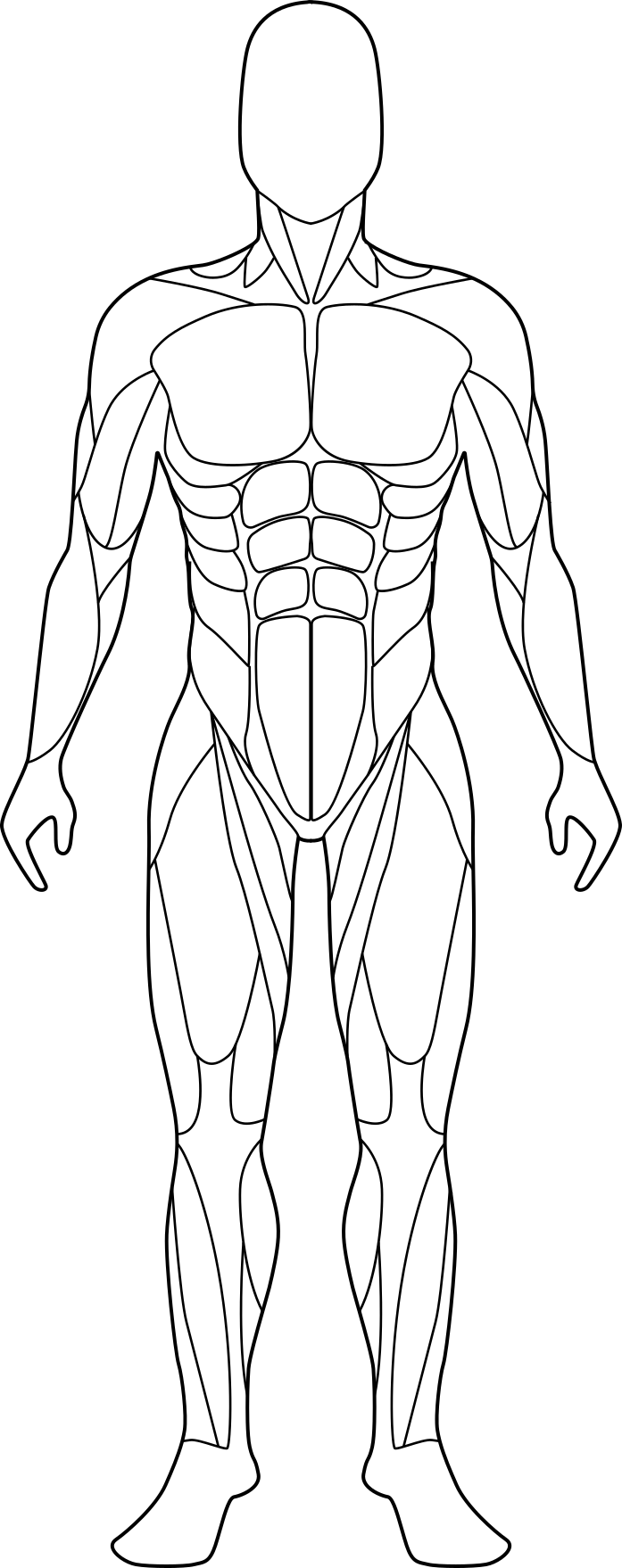
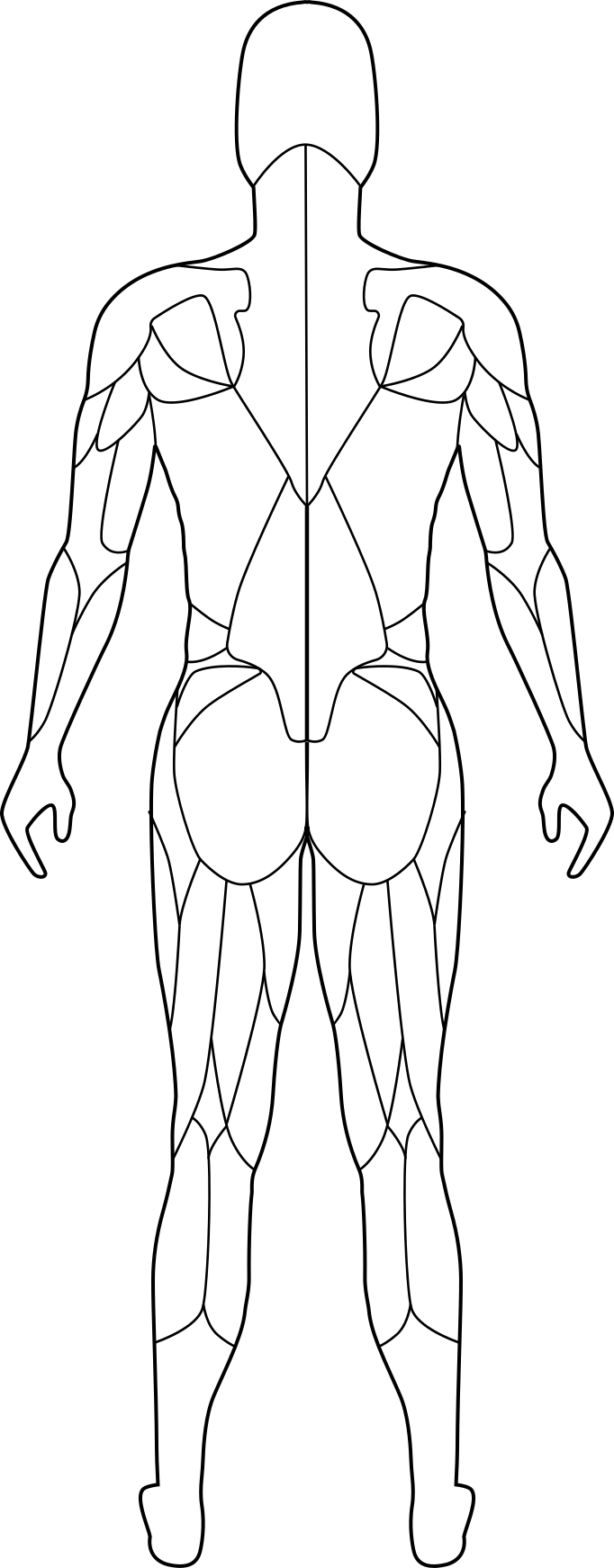
Muscles worked
The Kettlebell Deadlift mainly works your hamstrings and glutes, with your quadriceps and lats helping.


Setting up
- Place the kettlebell on the floor and stand with your feet wider than shoulder-width, toes turned out slightly, so the handle sits in line with the middle of your feet, just behind the bell.
- Wear flat trainers or lift in socks so your whole foot stays flat on the floor. Avoid cushioned running shoes, which can feel unstable under load.
- Start light, around 8-16 kg for most beginners, so you can concentrate on the hinge before adding weight.
- Stand tall, take a breath in and tighten your stomach as if you were about to be nudged. Keep your chest proud and your eyes on a spot a few feet ahead on the floor.
How to do the Kettlebell Deadlift
- Stand over the kettlebell with a soft bend in your knees and your weight through the middle of your feet and heels.
- Hinge by pushing your bum straight back, as if closing a car boot with it, while your chest tips forward and your back stays flat.
- Lower until you can reach the handle with both hands. Your shins should stay close to vertical and your shoulders should sit slightly above your hips.
- Pull your shoulder blades down and back, so your arms feel like straight ropes connecting the bell to your lats, and take a breath in and brace.
- Push the floor away through your heels and drive your hips forward, keeping the kettlebell close to your legs as you stand up. Breathe out as you pass the hardest point.
- Finish standing tall by squeezing your glutes and shoulder blades, without leaning back.
- Push your bum back first to lower the kettlebell under control, and set it down before your next rep.
Form tips
- Think of this as a hip movement, not a squat. Your hips travel back and forward, and your knees only bend a little.
- Keep the kettlebell close. It should almost brush your shins on the way up.
- Squeeze the handle and pull your shoulder blades down before the lift. This engages your lats and stops the weight pulling you forward.
- You should feel a stretch in the backs of your thighs on the way down and your glutes working as you stand.
- Finish by squeezing your glutes to stand tall. Don't lean back to get extra height.
Common mistakes
Squatting the weight up
Your hips are dropping too low and your knees are travelling too far forward. Push your bum back first and keep your shins nearly vertical. Raise the kettlebell on a low platform or block if you can't reach the handle with a flat back.
Rounding the back
Rounding usually means you're going lower than your flexibility allows or lifting with your chest dropped. Lift your chest, brace before each rep, and raise the kettlebell on a low block or a pair of plates to shorten the range.
Letting the kettlebell drift forward
Keep your shoulder blades pulled down and pull the bell into your legs as you lift. Position it between your feet, in line with the middle of your foot.
Leaning back at the top
Stop when your hips are fully forward and your glutes are squeezed. Imagine standing tall against a wall with your ribs stacked over your hips.
Sets and reps
| Build strength | 3-5 sets of 3-6 reps with a challenging weight, resting 2-3 minutes between sets. |
|---|---|
| Build muscle | 3-4 sets of 8-12 reps with a weight that leaves 1-2 reps in reserve, resting 60-90 seconds. |
| Fat loss and general fitness | 2-3 sets of 12-15 reps with a moderate weight, resting 45-60 seconds. Pair it with other full-body moves in a circuit if you like. |
Pick a weight where the last rep or two of each set is hard but your form stays clean. When every set feels easy, it's time to go up.
Kettlebell Deadlift alternatives
Machine taken, or want some variety? These work the same main muscles.
Kettlebell Deadlift FAQs
What weight kettlebell should I use for deadlifts?
Choose a weight that lets you keep a flat back and steady hips for every rep. Many beginners start with 8-16 kg. Increase only when your last rep looks as good as your first.
Is a kettlebell deadlift the same as a kettlebell swing?
No. Both use a hip hinge, but the deadlift is a slow, controlled lift from the floor with no momentum. The swing is a fast, explosive movement. Learning the deadlift first makes swings easier to get right.
Is the kettlebell deadlift good for beginners?
Yes. The weight sits between your feet, which makes the hinge easier to learn than with a barbell. Begin with a light weight, then progress gradually. If you feel pain, stop and get it checked.
Track your Kettlebell Deadlift progress
GymTracker builds your plan, pre-fills the weight from last time and tells you when to go up. Free.
Start free