
Kettlebell Swing
The kettlebell swing is a hip-hinge exercise where you use a powerful hip snap to swing a kettlebell forward to about shoulder height. It builds strength and power in your hamstrings and glutes, with your abs and the front of your shoulders helping to control the bell. It suits beginners who are happy to learn the hinge pattern with a light weight, as well as experienced lifters who want a fast, effective lower-body exercise.
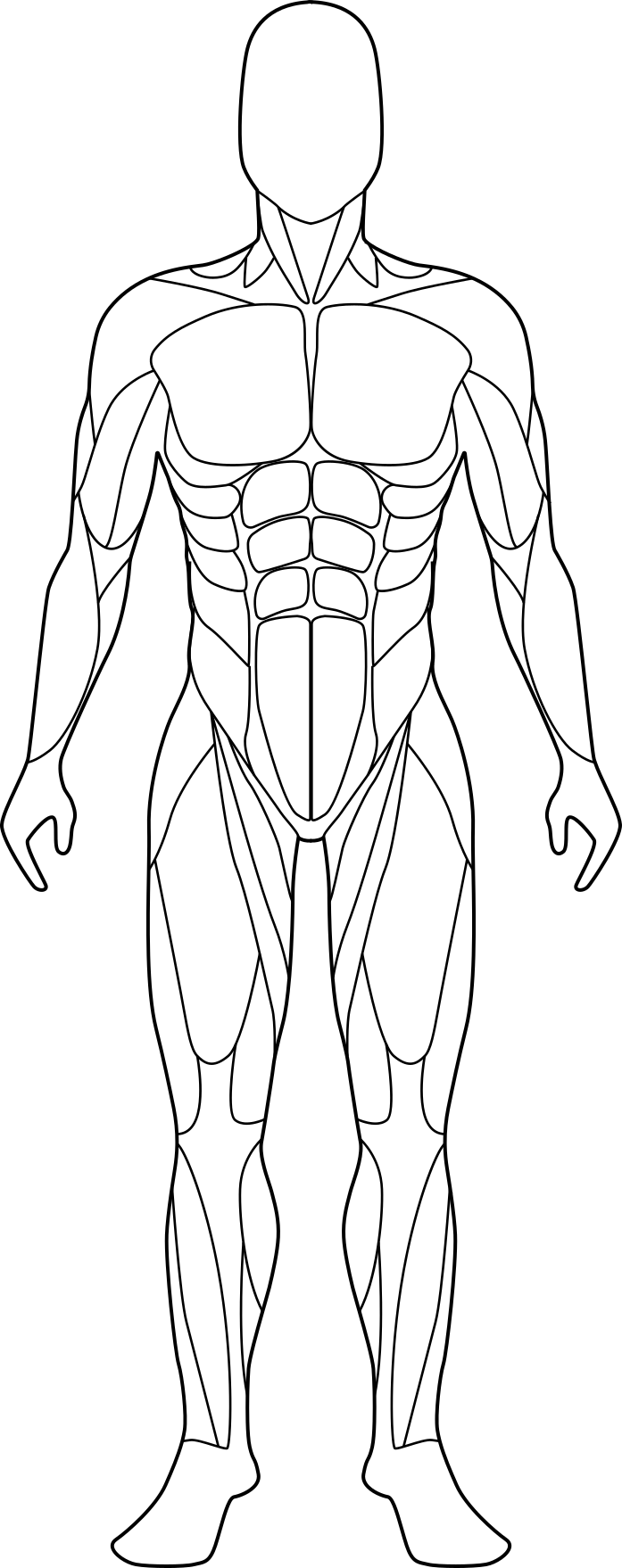
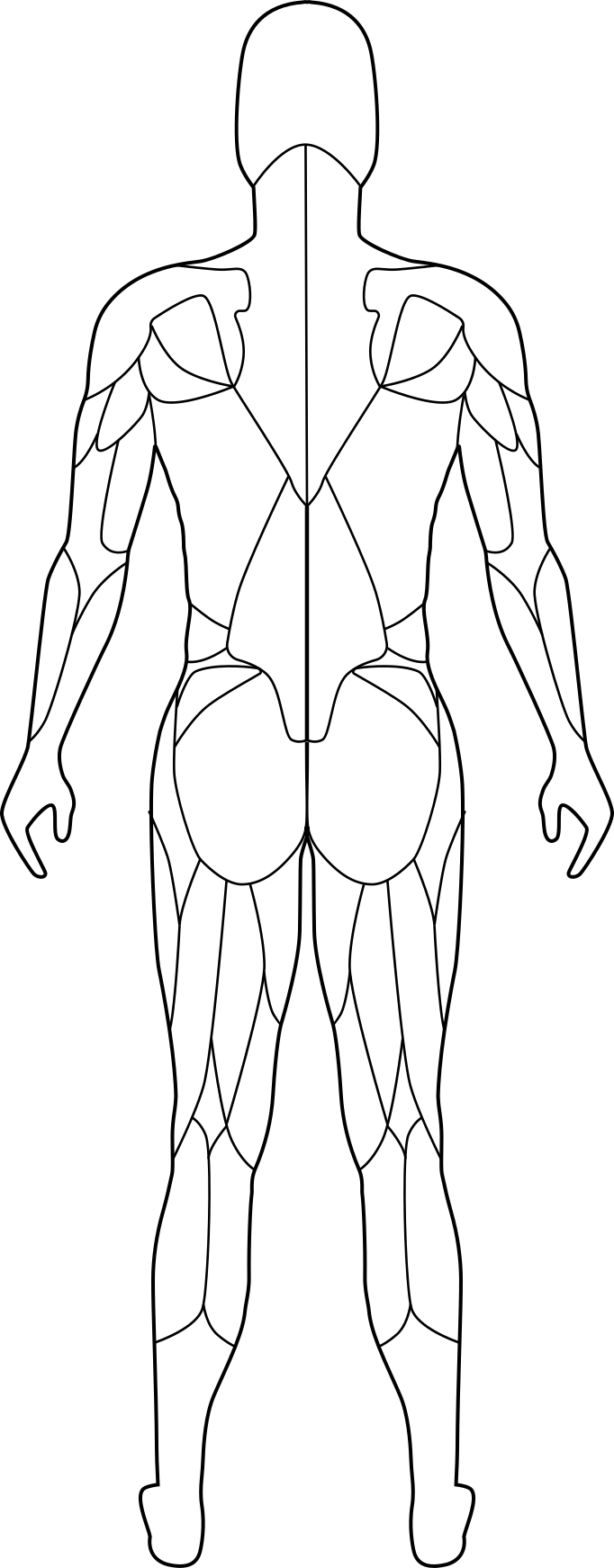
Muscles worked
The Kettlebell Swing mainly works your hamstrings and glutes, with your abs and anterior delts helping.


Setting up
- Place the kettlebell on the floor about 30 cm in front of you, and stand with your feet slightly wider than shoulder-width and your toes turned out a little, wearing flat, stable trainers.
- Push your hips back with a soft bend in the knees, keeping your back flat, and take hold of the handle with both hands, palms facing you.
- Start with a weight you can control, such as 8-12 kg, and build up gradually as the movement feels smooth.
How to do the Kettlebell Swing
- Hinge down, grip the handle, then pull your chest up and tighten your abs so your back stays flat and your shoulders stay set.
- Tilt the kettlebell back towards you and hike it back between your thighs, high up near your groin, with your shins close to vertical.
- Drive your hips forward sharply by squeezing your glutes and hamstrings, and stand tall so the bell is thrown forwards and upwards.
- Let the kettlebell float up to about shoulder height with your arms straight but relaxed, and finish with your glutes squeezed and your ribs down.
- As the bell starts to fall, keep your arms long and let it brush your thighs, then push your hips back to hinge as it passes between your legs.
- Let that momentum carry you straight into the next rep, snapping your hips forward again as soon as the bell has travelled back.
- When you finish your set, let the bell swing back a couple more times with less force, then set it down on the floor in front of you.
Form tips
- Think of your arms as ropes. The power comes from your hips, and the bell should float up, not be lifted.
- Push your hips back as if you are closing a car door with your bum, rather than sitting down into a squat.
- At the top, squeeze your glutes and stand tall, with your ribs down and your abs braced, as if you are about to take a punch.
- Keep your weight through your mid-foot and heels, with your whole foot flat on the floor.
- Film a set from the side. The bell should travel back high between your thighs, and your back should stay flat throughout.
Common mistakes
Squatting the swing
Your knees should bend only a little. Push your hips back so your shins stay almost vertical, and feel the stretch in your hamstrings on the way down.
Lifting the bell with your arms
Keep your arms straight and relaxed and let the hip snap send the bell forward. If it feels like an arm raise, the weight is probably too heavy or your hips are not driving hard enough.
Leaning back at the top
Finish standing tall, with your glutes squeezed and your ribs down. Do not tip backwards or push your hips past your body, and stop the bell at shoulder height.
Rounding your back or letting the bell pull you forward
Keep your chest proud and your abs braced throughout. Hike the bell back high between your thighs and reduce the weight if your back rounds as the bell drops.
Sets and reps
| Build strength | 5-8 sets of 5 reps with a challenging weight you can still swing with good form, resting 90-120 seconds between sets. |
|---|---|
| Build muscle | 3-4 sets of 10-15 reps, resting 60-90 seconds between sets. |
| Fat loss and fitness | 6-10 rounds of 10-15 reps with a moderate weight, resting 30-60 seconds between rounds. Keep every rep crisp, and stop the set when your form slips. |
Pick a weight where the last rep or two of each set is hard but your form stays clean. When every set feels easy, it's time to go up.
Kettlebell Swing alternatives
Machine taken, or want some variety? These work the same main muscles.
Kettlebell Swing FAQs
What weight kettlebell should I start with for swings?
Most beginners do well with 8-12 kg, or 12-16 kg if you are already fairly strong. Choose a weight that lets you keep a flat back and drive with your hips for every rep. You can move up once the movement feels smooth and easy to control.
Is the kettlebell swing a squat or a hinge?
It is a hip hinge. Your hips travel back and forwards while your knees bend only slightly and your shins stay close to vertical. If your torso stays upright and your knees travel forwards, you are squatting the swing.
How high should I swing the kettlebell?
Swing it to about chest or shoulder height. This is where the bell floats with your arms straight and light. If you need your arms to lift it higher, the swing is not coming from your hips.
Track your Kettlebell Swing progress
GymTracker builds your plan, pre-fills the weight from last time and tells you when to go up. Free.
Start free