High Pull
The dumbbell high pull is a compound exercise where you drive your hips forward and pull a pair of dumbbells up towards your chin, leading with your elbows. It builds the muscles between your shoulder blades and the front and sides of your shoulders, with help from your glutes and biceps. It suits beginners and experienced lifters alike, as long as you start light and learn the movement properly first.
Muscles worked
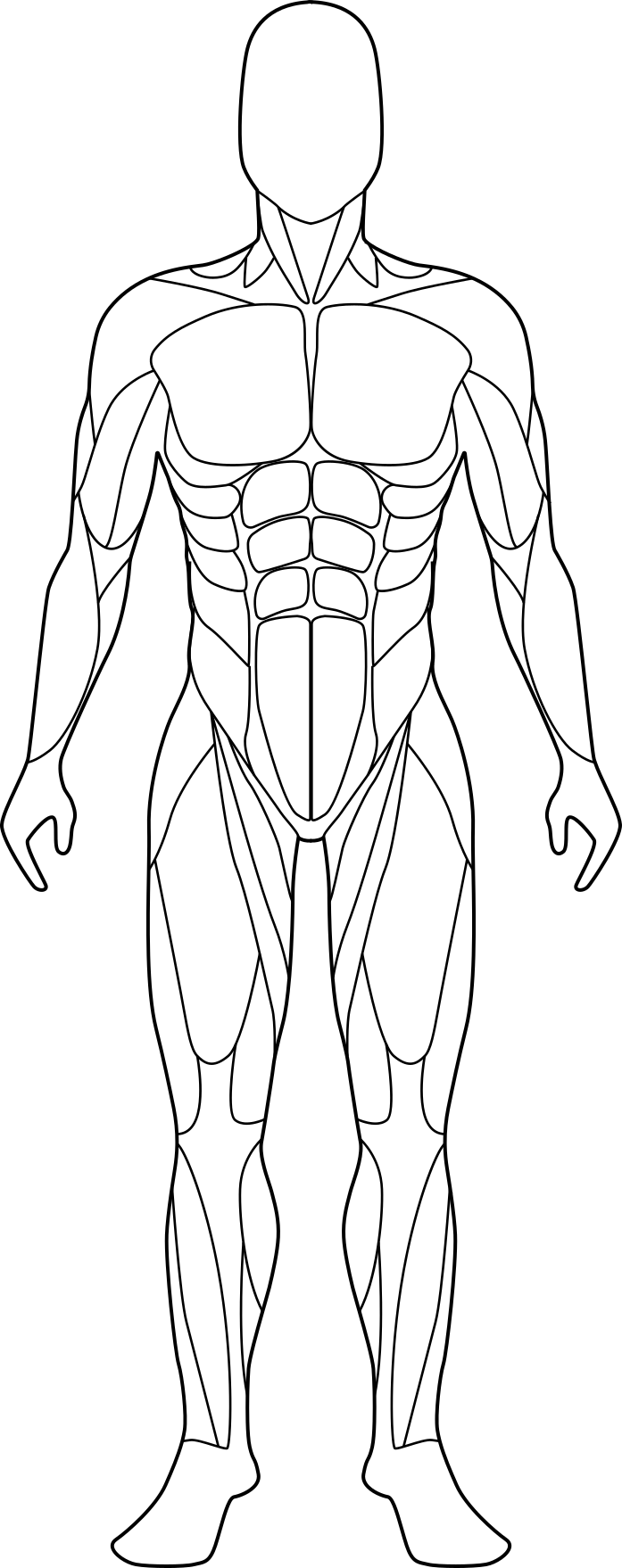
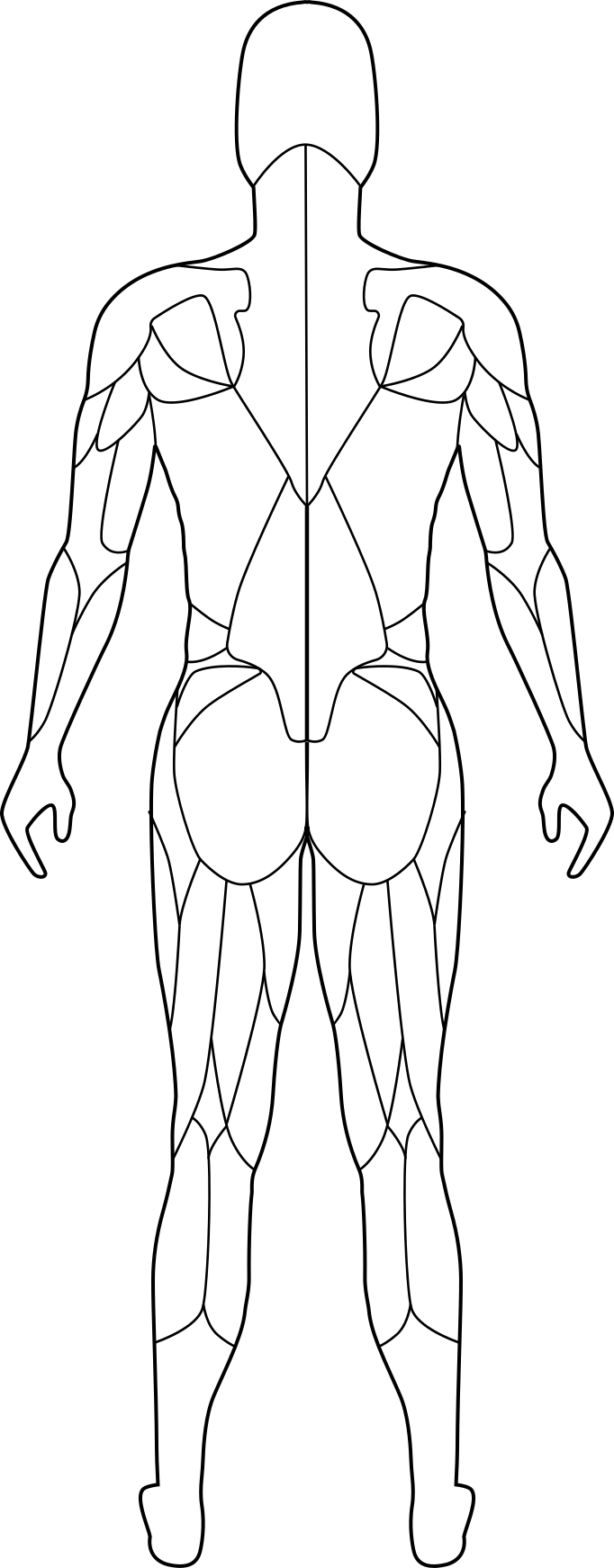
The High Pull mainly works your rhomboids, anterior delts and lateral delts, with your biceps and glutes helping.


Setting up
- Pick a light pair of dumbbells to start with, such as 5-8 kg each. The speed of the movement makes them feel heavier than they look.
- Stand with your feet about hip-width apart, in flat trainers, with a slight bend in your knees.
- Hold the dumbbells in front of your thighs with an overhand grip, palms facing your body and arms long.
- Brace your core as if you are about to be nudged in the stomach, and keep your chest proud and your back flat.
How to do the High Pull
- Start standing tall with the dumbbells hanging in front of your waist and your core tight.
- Push your hips back and lower the dumbbells to just above your knees, keeping your back flat and your chest up. This is only a slight hinge, not a full deadlift.
- Drive your feet into the floor and squeeze your glutes to stand up quickly, pushing your hips forward.
- As your hips come through, pull the dumbbells up close to your body towards your chin, with your elbows driving up and back and staying higher than your wrists.
- Pause briefly at the top and squeeze your shoulder blades together.
- Lower the dumbbells slowly back to your waist, taking about two to three seconds, and resist the weight all the way down rather than letting it drop.
- Reset your posture and brace again before starting the next rep.
Form tips
- Think of the movement as a jump without leaving the floor. The power comes from your hips, and your arms guide the dumbbells up.
- Lead with your elbows, not your hands. Imagine pulling your elbows towards the ceiling and slightly behind you.
- Keep the dumbbells close to your body, so they travel up your stomach and chest rather than swinging out in front.
- Squeeze your shoulder blades together at the top to feel the work between them.
- Take the lowering phase seriously. Controlling the descent is where much of the muscle-building work happens.
Common mistakes
Pulling with the arms only
Start the movement from your hips. Push your feet into the floor and squeeze your glutes first, then let the dumbbells follow. If your arms are doing all the work, the weight is probably too heavy.
Rounding the back when hinging
Keep your chest up and your back flat as you push your hips back. Only lower the dumbbells to just above your knees, and brace your core before every rep.
Letting the dumbbells swing away from the body
Keep your arms close to your body and drag the dumbbells up your stomach and chest. Reduce the weight if you can't keep them close.
Dropping the weight on the way down
Lower the dumbbells over two to three seconds and keep your core braced. If you can't control the descent, choose a lighter pair.
Sets and reps
| Build strength | 3-5 sets of 4-6 reps with a challenging but controlled weight, resting 2-3 minutes between sets. Keep every rep crisp and well controlled. |
|---|---|
| Build muscle | 3-4 sets of 8-12 reps, resting 60-90 seconds. Pause at the top and lower slowly on every rep. |
| Fat loss and general fitness | 2-3 sets of 12-15 reps with a lighter weight, resting 45-60 seconds. Use it as part of a full-body session alongside other compound lifts. |
Pick a weight where the last rep or two of each set is hard but your form stays clean. When every set feels easy, it's time to go up.
High Pull alternatives
Machine taken, or want some variety? These work the same main muscles.
High Pull FAQs
What is the difference between a dumbbell high pull and an upright row?
An upright row is a slow pull driven mainly by your shoulders and arms. A high pull uses an explosive hip drive to get the dumbbells moving, so your glutes are involved and you can move the weight more smoothly. The high pull is usually easier to learn well if you focus on the hips first.
What weight should I use for dumbbell high pulls?
Start with a light pair, around 5-8 kg each, and focus on getting the hip drive and elbow path right. Increase only when you can complete every rep with a flat back, the dumbbells close to your body and a slow, controlled lowering phase.
Which muscles do dumbbell high pulls work?
The main muscles are the rhomboids between your shoulder blades and the front and side of your shoulders (anterior and lateral delts). Your glutes drive the movement and your biceps help with the pull. If something hurts while you do it, stop and get it checked.
Track your High Pull progress
GymTracker builds your plan, pre-fills the weight from last time and tells you when to go up. Free.
Start free