
Kettlebell Clean and Press
The kettlebell clean and press takes one kettlebell from the floor to your shoulder in a single smooth pull, then presses it overhead. It builds hip drive from your glutes and quads, plus pressing strength in your shoulders and triceps. It suits beginners who are happy to learn the clean with a light bell first, and more experienced lifters who want a strong, simple full-body lift.
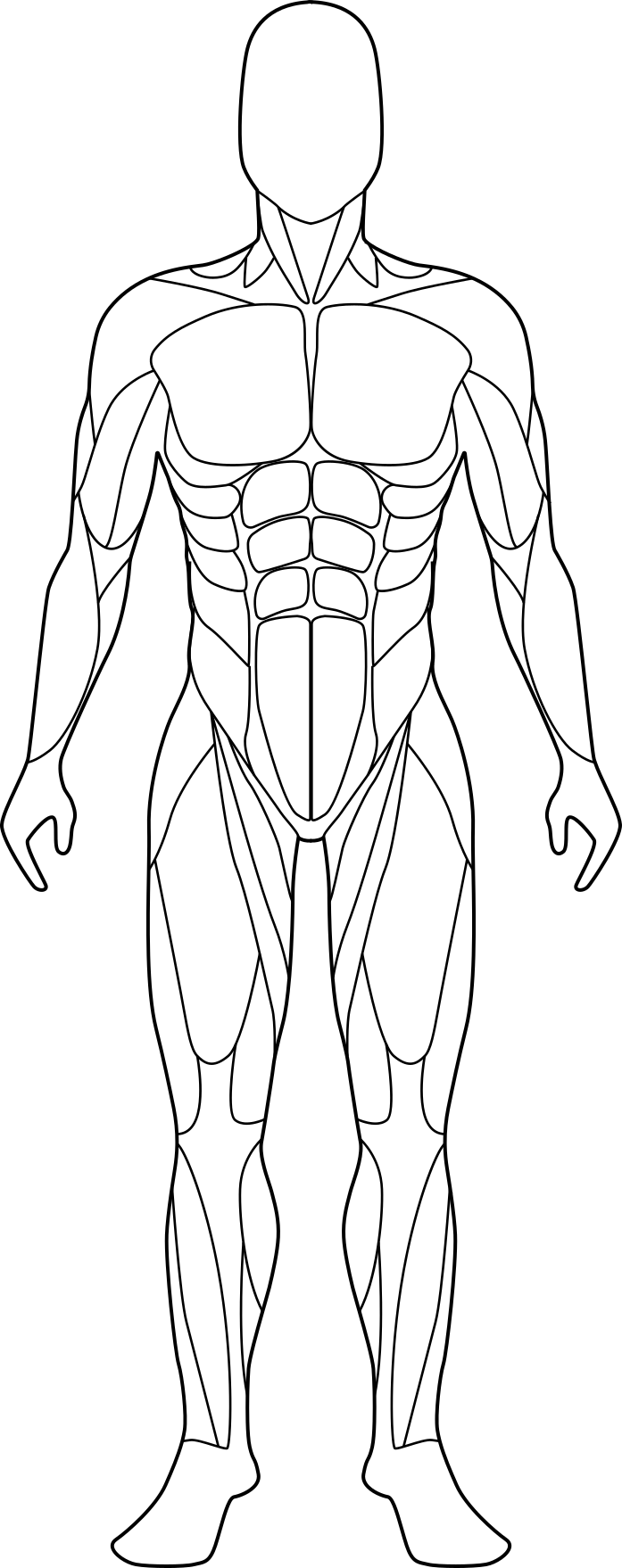
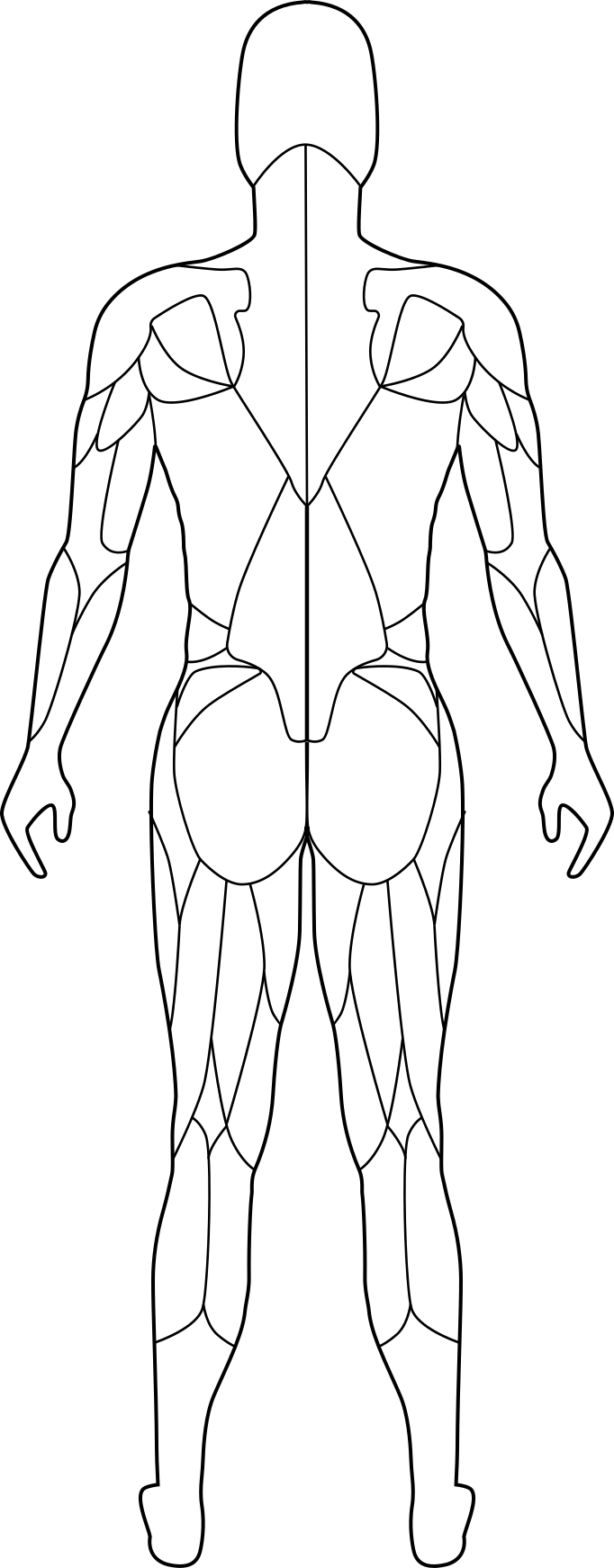
Muscles worked
The Kettlebell Clean and Press mainly works your glutes, anterior delts and lateral delts, with your triceps and quadriceps helping.


Setting up
- Place one kettlebell on the floor, about a foot in front of your toes and centred between your feet. Stand with your feet roughly hip to shoulder-width apart, in flat trainers or bare feet.
- Hinge back at the hips with your knees softly bent and your back flat, then take the handle with one hand. Your shoulder should sit slightly above your hip, and your free arm can stay out to the side for balance.
- Start light. Many beginners do well with 8-12 kg, but pick a weight that lets you clean it smoothly and press it with no leaning or grinding.
How to do the Kettlebell Clean and Press
- Tilt the bell back towards you and swing it between your legs, like a short hike pass. Keep your chest proud and your back flat, with your weight in your mid-foot and heels.
- Drive your hips forward and squeeze your glutes hard so you stand tall. The bell should travel up close to your body, powered by your legs and hips rather than your arm.
- As the bell passes your waist, pull your elbow back and in, then guide your hand around the handle so the bell flips over and lands softly on the back of your forearm.
- Settle in the rack position. The bell rests against your chest and forearm, your elbow is tucked near your ribs, your wrist is straight and your knees and glutes are locked out. Stand tall with your ribs pulled down.
- Take a breath and brace your midsection. Squeeze your glutes and press the bell straight up until your arm is fully straight, with your bicep near your ear and your wrist stacked over your elbow.
- Lower the bell back to the rack position under control, keeping your elbow tucked in.
- Let the bell fall back into a hinge, swing it between your legs and set it down on the floor. Reset your stance before the next rep, or keep going if you are doing a flowing set.
Form tips
- Think of the clean as a hip snap, not an arm curl. The bell should feel almost weightless at the top because your glutes and legs have done the work.
- Keep the bell close. It should brush your body on the way up, and your hand should punch through the handle rather than letting the bell swing wide.
- In the rack, let the weight rest on your body, not in your wrist. Your elbow should be against your ribs, which makes the press easier.
- Before you press, squeeze your glutes and brace your midsection. This stops you leaning back, so the effort stays in your shoulders and triceps.
- Finish each press with your arm fully straight and the bell directly over your shoulder, not out in front.
Common mistakes
Curling the bell up with your arm
Practise hinge-and-snap cleans with a lighter bell. Focus on driving your hips forward so the bell floats up, and keep your elbow close to your body.
The bell crashing onto your forearm
Keep the bell tight to your body and punch your hand through the handle as it rises. If the bell swings out wide, it will slam down. Lower the weight until the flip feels smooth.
Leaning back to press
Squeeze your glutes, brace your midsection and keep your ribs down before you press. If you have to lean back to get the bell up, it is too heavy for now.
Rounding your back at the bottom
Push your hips back as if closing a door behind you, with a flat back and your chest up. Do not squat the bell down. Hinge, swing and drive.
Sets and reps
| Build strength | 4-5 sets of 3-5 reps per side with a challenging weight, resting 2-3 minutes between sets. |
|---|---|
| Build muscle | 3-4 sets of 6-10 reps per side with a moderate weight, resting 60-90 seconds between sets. |
| Fat loss and general fitness | 3 sets of 8-10 reps per side with a lighter weight you can move smoothly, resting 45-60 seconds between sets. |
Pick a weight where the last rep or two of each set is hard but your form stays clean. When every set feels easy, it's time to go up.
Kettlebell Clean and Press alternatives
Machine taken, or want some variety? These work the same main muscles.
Kettlebell Clean and Press FAQs
What weight kettlebell should I use for a clean and press?
Start lighter than you think, often 8-12 kg for newer lifters, so you can learn the clean without banging your forearm. Choose a weight you can clean smoothly and press for all your reps with good form. Increase it only when every rep looks the same.
Is the kettlebell clean and press the same as a swing?
No. A swing sends the bell to about chest height and back down. A clean brings it up to rest at your shoulder in the rack position, and the press then takes it overhead. Both use the same hip hinge and glute drive, so learning the swing first helps.
Why does the kettlebell hit my forearm on the clean?
This usually happens when the bell swings out wide or you pull it up with your arm instead of your hips. Keep the bell close, drive your hips through and punch your hand through the handle so the bell lands softly. If it still hurts, use a lighter bell and slow down. Stop if anything hurts and get it checked.
Track your Kettlebell Clean and Press progress
GymTracker builds your plan, pre-fills the weight from last time and tells you when to go up. Free.
Start free