
Wrist Roller
The wrist roller is a simple forearm exercise where you wind a weight up and down on a rope by rotating a handle with your hands. It builds forearm endurance and gives a serious pump, and it is done for time rather than counted in reps. It suits beginners and experienced lifters alike, as long as you start light and stay patient.
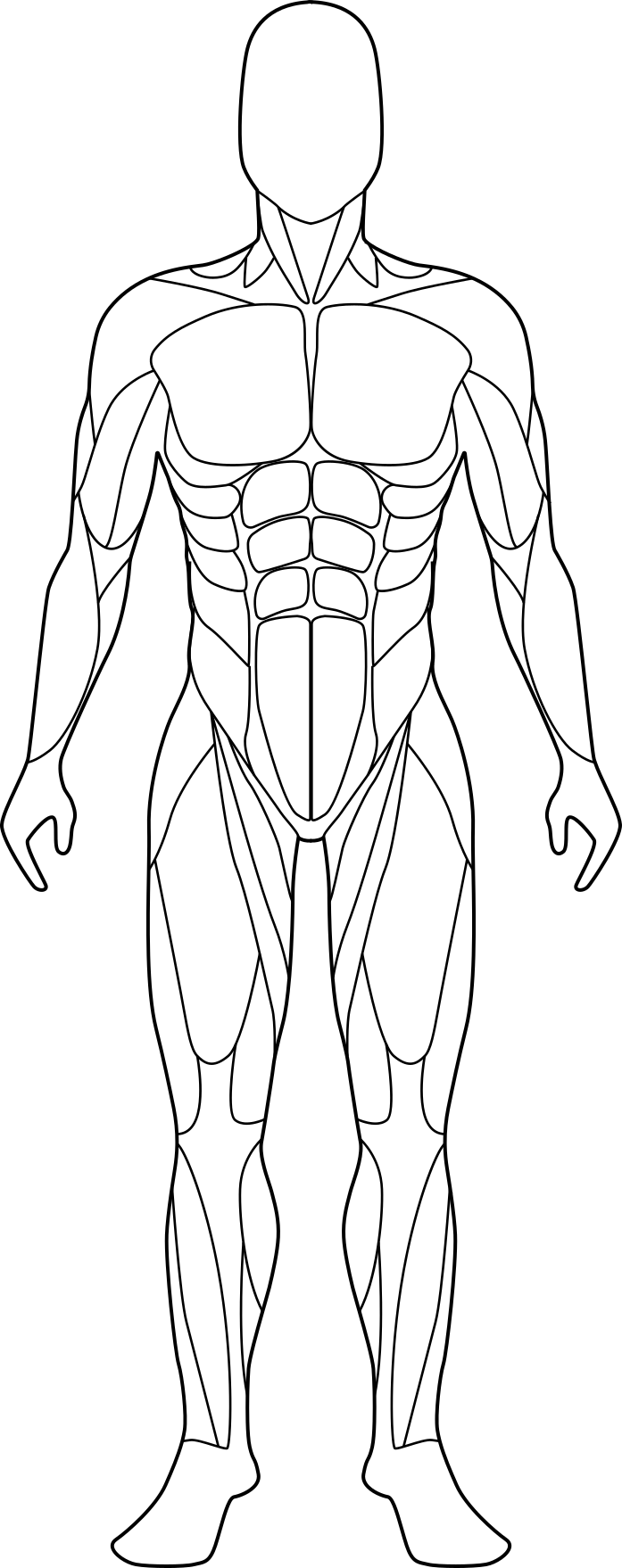
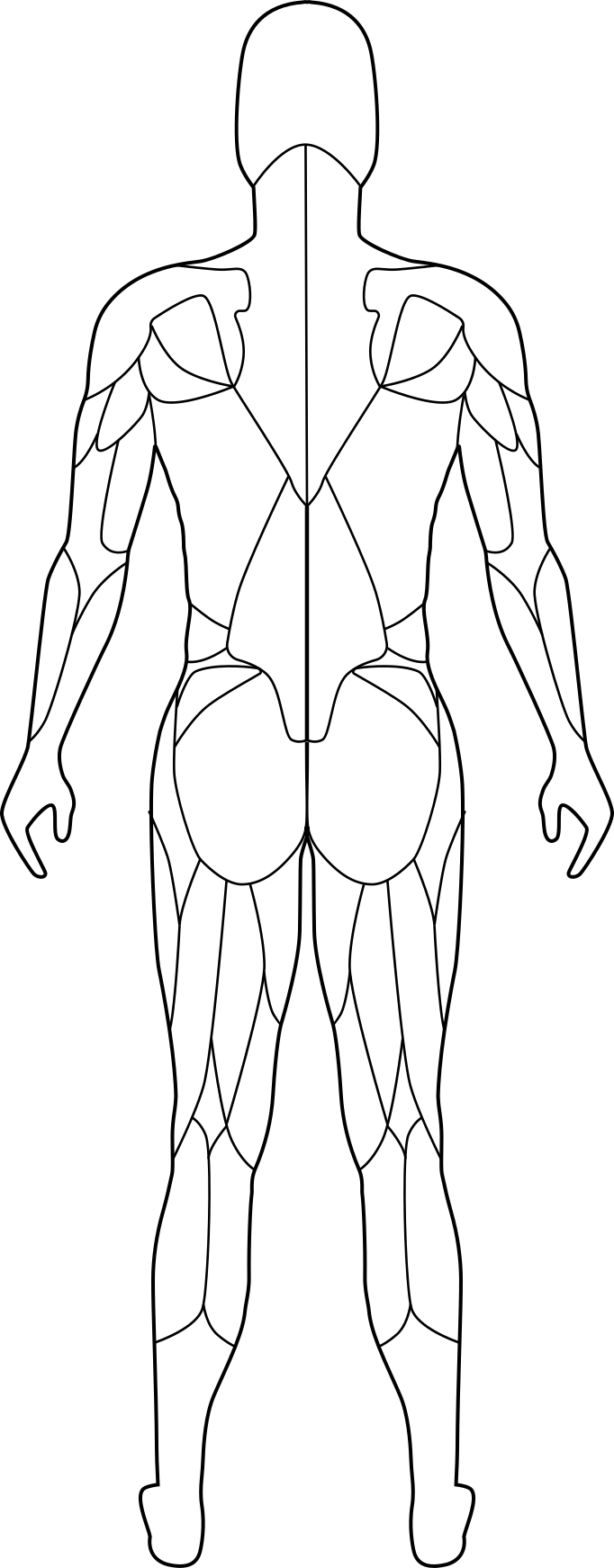
Muscles worked
The Wrist Roller mainly works your forearms.


Setting up
- You need a wrist roller (a short handle or bar with a rope attached) and a light weight plate hooked or clipped to the end of the rope. Start with 2.5 kg or less.
- Stand tall with your feet about shoulder-width apart and a slight softness in your knees.
- Hold the handle with an overhand grip, hands just inside shoulder width, and raise your arms straight out in front of you to about shoulder height.
- Let the rope unwind fully so the weight hangs just above the floor, with the rope straight and tight.
How to do the Wrist Roller
- Hold your arms out in front at shoulder height with the handle level and the weight hanging below.
- Rotate your wrists forward, one hand after the other or both together, so the rope winds onto the handle and the weight rises.
- Keep turning smoothly until the weight reaches the handle. Your forearms should be burning by now.
- Pause for a second, then reverse the movement, rotating your wrists the opposite way to lower the weight slowly.
- Let the rope unwind under control all the way back to the starting position without letting it drop.
- That is one trip up and down. Repeat for your target time, then lower the handle and rest.
Form tips
- Keep your arms still and out in front. Only your hands and wrists should be turning the handle.
- Lower the weight as slowly as you raise it. The controlled lowering is where much of the work is.
- Keep the rope tight at all times. If it goes slack, slow down or use a lighter weight.
- Use a smooth, steady rhythm rather than quick, jerky turns. Your wrists should move through a comfortable range.
- Choose a weight you can use for the full time with good form. If it hurts, stop and get it checked.
Common mistakes
Using too much weight
Drop to a lighter plate until you can wind the rope up and down smoothly without jerking or leaning back. Increase in very small steps over several weeks.
Letting the weight drop
Keep hold of the handle and unwind slowly with your wrists and forearms controlling every inch. If it is dropping, the weight is too heavy or you are rushing.
Letting your arms sag or swing
Keep your arms out in front at shoulder height and stay still. If they start to drop, stop the set and rest rather than cheating the movement.
Rope going slack or tangling
Keep a steady pace and stop turning if the weight starts to swing. Make sure the rope winds neatly onto the handle in a single layer.
Sets and reps
| Build strength | 3-4 sets of 20-30 seconds (about 1-2 trips up and down) with a heavier but controlled weight, 90-120 seconds rest |
|---|---|
| Build muscle | 3 sets of 30-45 seconds with a moderate weight, 60-90 seconds rest |
| Fat loss / general fitness | 2-3 sets of 45-60 seconds with a light weight, 45-60 seconds rest, as part of a wider programme of full-body training |
Pick a weight where the last rep or two of each set is hard but your form stays clean. When every set feels easy, it's time to go up.
Wrist Roller alternatives
Machine taken, or want some variety? These work the same main muscles.
Wrist Roller FAQs
How heavy should the weight be on a wrist roller?
Start with a very light plate, around 1.25-2.5 kg, even if that feels easy. The exercise is much harder than it looks because your forearms are working for a long time under load. Move up only when you can complete your sets smoothly and with control.
How often can I do wrist rollers?
Once or twice a week is plenty for most people. Forearms recover fairly quickly, but they also work during other exercises that involve gripping. If they feel very tired or sore, give them an extra rest day.
Do I roll the weight up and down or only up?
Do both. Winding the weight up and then lowering it under control counts as one trip, and the lowering phase is just as valuable. Some people also alternate between rolling towards and away from them across different sets.
Track your Wrist Roller progress
GymTracker builds your plan, pre-fills the weight from last time and tells you when to go up. Free.
Start free