
Wrist Curl
The wrist curl is a simple seated exercise where you hold a dumbbell palms up and curl it by bending only at the wrist. It builds the muscles on the underside of your forearms, which help with holding and carrying weight. It suits beginners and experienced lifters alike, because you only need a light dumbbell and a bench or chair.
Muscles worked
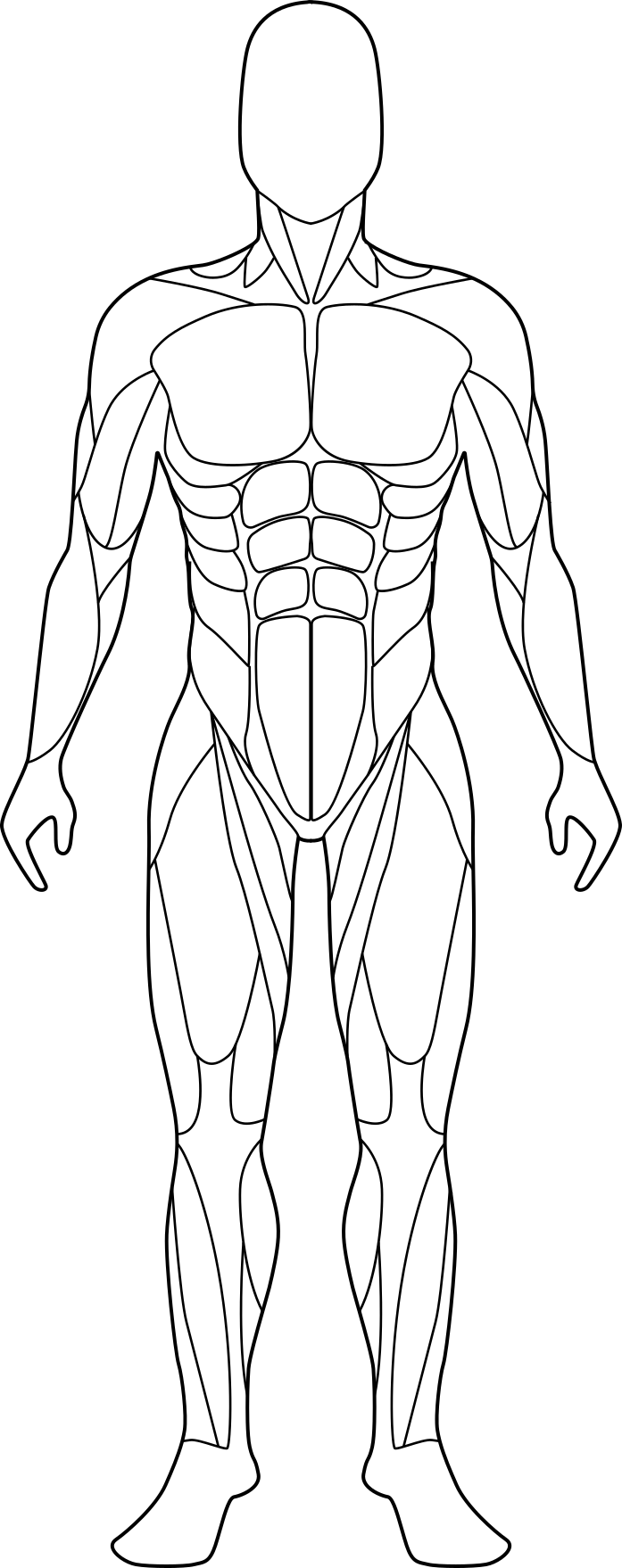
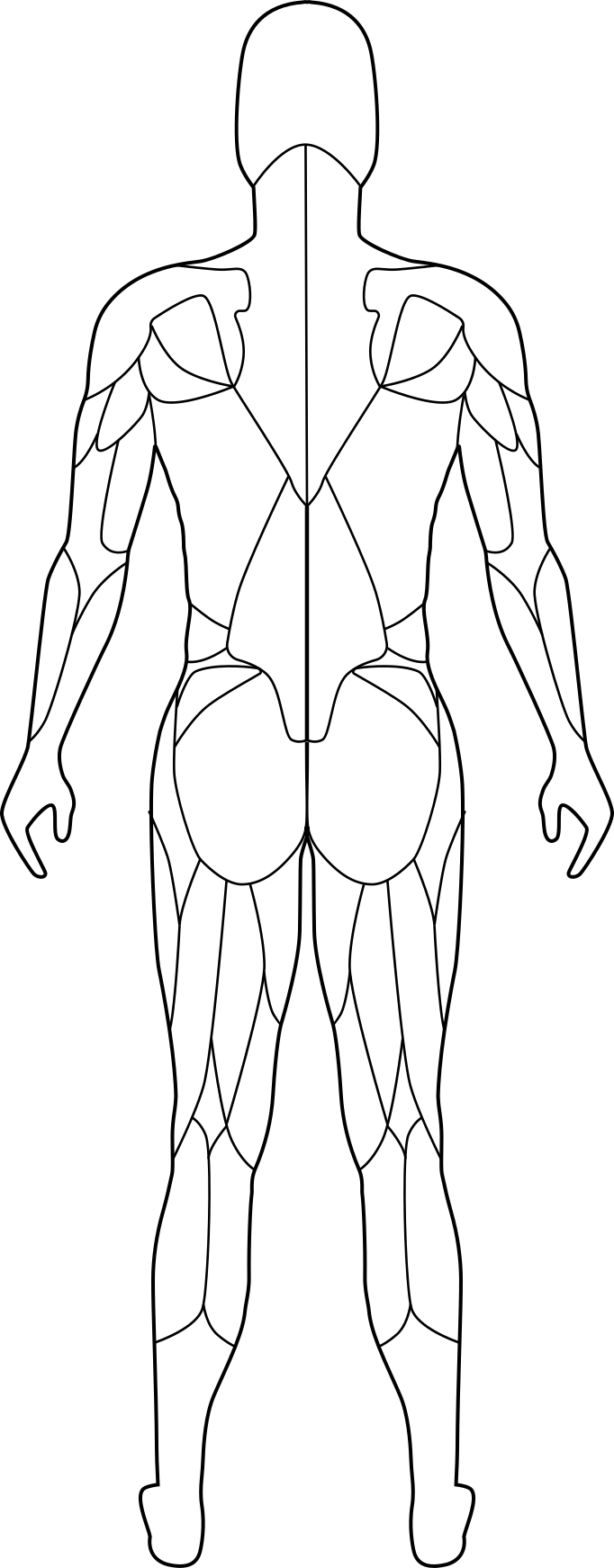
The Wrist Curl mainly works your forearms.


Setting up
- Pick a light dumbbell to start with, such as 2-5 kg. The forearms are small muscles and this movement is easy to overload.
- Sit on a bench or sturdy chair with your feet flat on the floor, about hip-width apart.
- Lean forward slightly and rest your forearms on your thighs, palms facing up. Your wrists and hands should hang just past your knees so the wrist joint can move freely.
- Hold the dumbbell in one hand with a full grip, and keep the other hand resting on your other thigh. Do all your reps on one side, then swap.
How to do the Wrist Curl
- Sit with your forearm resting along your thigh, palm up, and the dumbbell held in your hand with your wrist hanging just over your knee.
- Let your wrist relax downwards so the dumbbell lowers until you feel a comfortable stretch along the underside of your forearm.
- Breathe out and curl your fist up towards the ceiling by bending only at the wrist, as if you were trying to show someone the palm of your hand.
- Keep curling until your wrist is bent as far as it comfortably goes, then squeeze your forearm for a second at the top.
- Lower the dumbbell slowly over about 2-3 seconds, back to the stretched position.
- Repeat for your planned reps, then swap hands and do the same on the other side.
Form tips
- Keep your forearm pressed into your thigh the whole time. Only your hand should move, and your forearm should stay still.
- Slow the lowering phase down. Taking 2-3 seconds to lower the weight gives your forearm more work than letting it drop.
- Aim to feel the effort along the underside of your forearm, between your wrist and elbow. If you feel it mostly in your fingers or the front of your elbow, lighten the weight.
- Choose a weight you can lift for 12 or more reps with a steady tempo. Stop a rep or two before your form starts to fall apart.
- Keep your shoulders relaxed and your upper arm still. If your shoulders or elbow are moving, the weight is too heavy.
Common mistakes
Lifting the forearm off the thigh
Press your forearm firmly into your thigh and keep it there for the whole set. If your forearm lifts to get the weight up, reduce the load.
Using too much weight
Drop to a lighter dumbbell so you can move through a full range with control. A heavy weight makes you jerk the dumbbell up and shortens the movement.
Bouncing out of the bottom
Lower the weight steadily and pause briefly at the stretch before curling up again. Using momentum takes the work away from your forearm.
Short, half-range reps
Lower the dumbbell until you feel a comfortable stretch, then curl up as far as you can without your forearm moving. Use a lighter weight if you can't manage this.
Sets and reps
| Build strength | 3-4 sets of 8-10 reps with a challenging but controlled weight, resting 90-120 seconds between sets. |
|---|---|
| Build muscle | 3 sets of 12-15 reps with a slow lowering phase, resting 60 seconds between sets. |
| General fitness and fat loss | 2-3 sets of 15-20 reps with a light weight, resting 30-45 seconds, as part of a wider programme that includes bigger exercises and cardio. |
Pick a weight where the last rep or two of each set is hard but your form stays clean. When every set feels easy, it's time to go up.
Wrist Curl alternatives
Machine taken, or want some variety? These work the same main muscles.
Wrist Curl FAQs
How heavy should a dumbbell wrist curl be?
Start lighter than you think, often 2-5 kg, and work up gradually. You should be able to complete 12 or more reps with your forearm staying on your thigh and no jerking. If the last couple of reps are tough but still controlled, the weight is about right.
Should I let the dumbbell roll down to my fingertips?
It's not necessary, and beginners are better off keeping a full grip for the whole set. Letting the dumbbell roll to your fingers increases the range but makes the weight harder to control. If you want to try it, use a very light dumbbell and keep the movement slow.
How often can I do wrist curls?
Most people do them once or twice a week, usually at the end of an upper-body or pulling session. If your forearms feel sore or tired from earlier work, leave a day or two between sessions. Stop if you feel pain in your wrist or elbow, and get it checked.
Track your Wrist Curl progress
GymTracker builds your plan, pre-fills the weight from last time and tells you when to go up. Free.
Start free