Reverse Curl
The reverse curl is a barbell curl performed with an overhand grip, so your palms face down throughout. It builds the forearms and biceps, and it is a good way to improve grip strength and balance out your arm training. It suits beginners and experienced lifters alike, as long as you are willing to use a lighter weight than you would for a standard curl.
Muscles worked
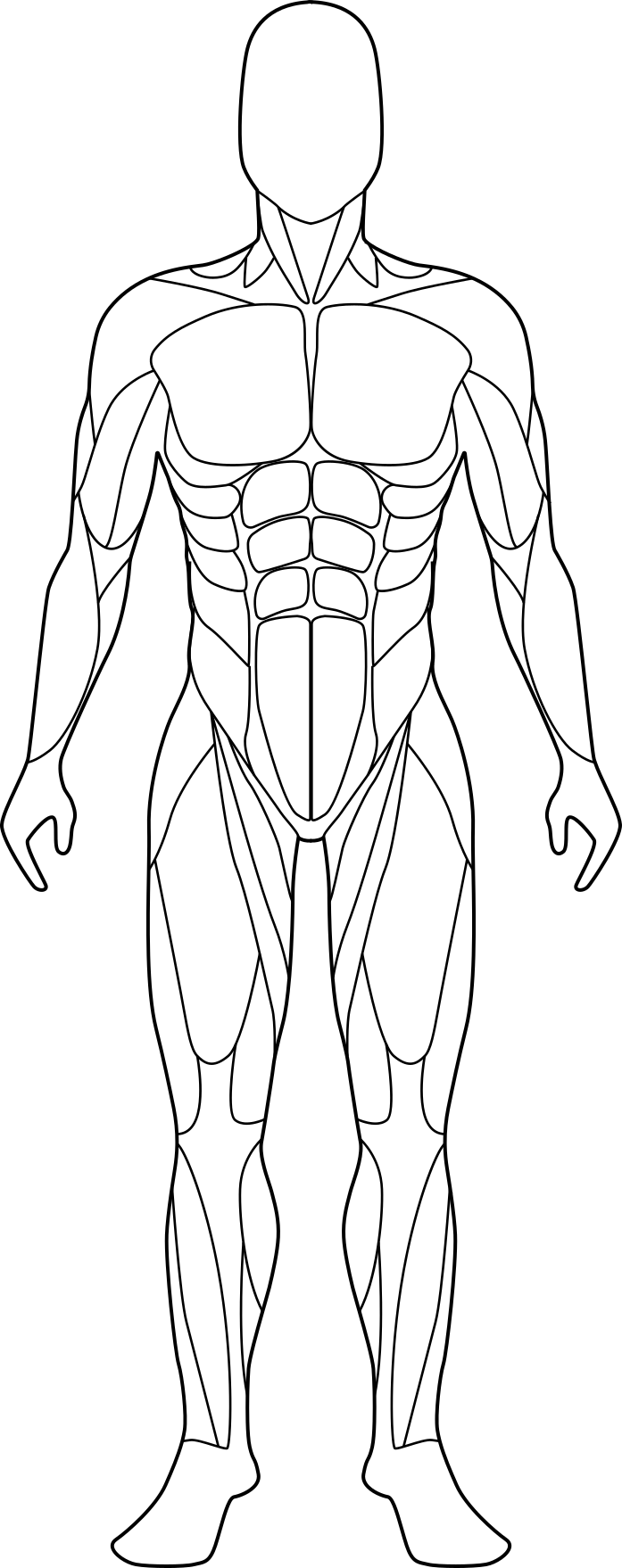
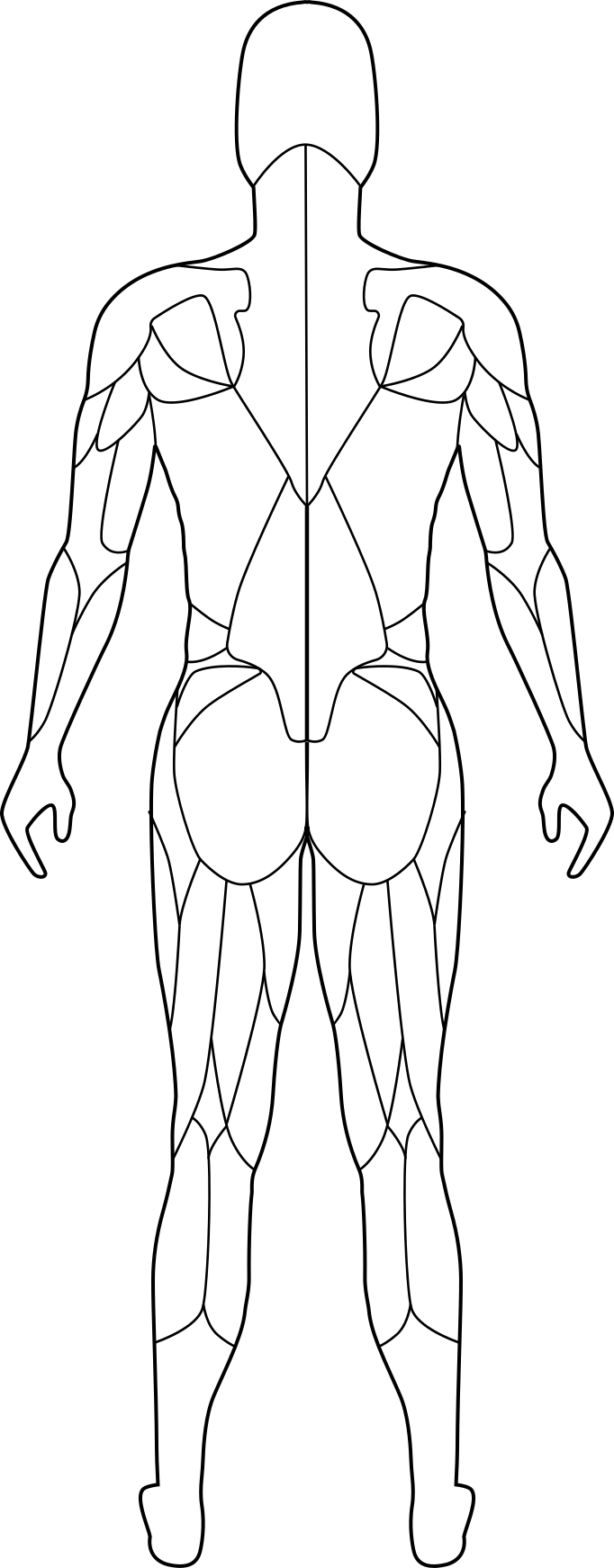
The Reverse Curl mainly works your biceps and forearms.


Setting up
- Load a barbell with a light weight to start. Most people curl much less in this grip than with an underhand grip, and the bar alone (usually 20 kg) may be plenty at first.
- Pick the bar up with an overhand grip, hands about shoulder-width apart, thumbs wrapped around the bar. Your knuckles should point forwards.
- Stand tall with your feet roughly hip-width apart, knees soft, chest up and arms hanging straight so the bar rests against the top of your thighs.
- Pin your elbows against your sides and keep your wrists straight, in line with your forearms.
How to do the Reverse Curl
- Start with the bar resting against your thighs, arms extended and elbows tucked in at your sides.
- Breathe in, then curl the bar upwards by bending only at the elbows. Keep your wrists straight and your upper arms still.
- Keep curling until your forearms are close to vertical and the bar is around chest height, or as high as you can go without your elbows drifting forwards.
- Pause briefly at the top and squeeze the tops of your forearms and your biceps.
- Breathe out as you lower the bar slowly, taking about 2-3 seconds, until your arms are fully straight again.
- Let the bar settle against your thighs without swinging, then begin the next rep from a still position.
Form tips
- Think of keeping your knuckles pointing at the wall in front of you. If the bar rolls back and your wrists bend, the weight is too heavy.
- Squeeze the bar firmly the whole way through. You should feel the muscles along the top of your forearms working hard, especially near the top of the curl.
- Keep your elbows glued to your sides. If they slide forwards, you are letting the movement become easier than it should be.
- Lower the bar slowly. Controlling the way down is a big part of what makes this exercise work.
- Start lighter than feels necessary. Your forearms will tire well before your biceps do, and it is better to finish every rep cleanly.
Common mistakes
Swinging the bar up
Leaning back or using a hip kick means the weight is too heavy. Reduce the load, stand tall and let your arms do the lifting.
Wrists bending back
If your wrists curl backwards and the bar tips towards you, you have lost control. Keep your wrists in line with your forearms, grip firmly and use a lighter weight.
Elbows drifting forwards
Pin your elbows to your sides from start to finish. Only your forearms should move, so stop each rep just before your elbows start to travel.
Dropping the bar on the way down
Count 2-3 seconds as you lower. Keep gripping tightly until your arms are fully straight, then start the next rep.
Sets and reps
| Build strength | 3-4 sets of 6-8 reps with a challenging but controlled weight, resting 90-120 seconds between sets. |
|---|---|
| Build muscle | 3-4 sets of 8-12 reps, lowering slowly, with 60-90 seconds rest between sets. |
| Fat loss and general fitness | 2-3 sets of 12-15 reps with a lighter weight and 45-60 seconds rest. This is a small-muscle exercise, so use it alongside larger exercises and regular activity rather than relying on it alone. |
Pick a weight where the last rep or two of each set is hard but your form stays clean. When every set feels easy, it's time to go up.
Reverse Curl alternatives
Machine taken, or want some variety? These work the same main muscles.
Reverse Curl FAQs
What muscles do reverse curls work?
Reverse curls mainly work the biceps and forearms. The overhand grip shifts more of the effort onto the forearms than a standard underhand curl does, which is why you will need to use a lighter weight.
How heavy should I go on reverse curls?
Start with the empty bar or lighter, and add weight only when you can complete all your reps with straight wrists and still elbows. Many people find they can lift around half of what they use for a standard barbell curl, and that is normal.
Should I use a straight bar or an EZ bar for reverse curls?
Either can work. A straight barbell keeps your hands in a fully overhand position, while a curved bar can feel more comfortable on the wrists. If a straight bar causes any pain, stop and get it checked, and try a lighter weight or a different bar.
Track your Reverse Curl progress
GymTracker builds your plan, pre-fills the weight from last time and tells you when to go up. Free.
Start free