
Cable Wrist Curl
The cable wrist curl is an isolation exercise where you curl a weight up with your wrists while your forearms stay supported. It builds the muscles on the palm side of your forearms and helps with grip strength. It suits beginners and experienced lifters alike, because the load is easy to adjust and the cable keeps the tension on the whole way through.
Muscles worked
The Cable Wrist Curl mainly works your forearms.
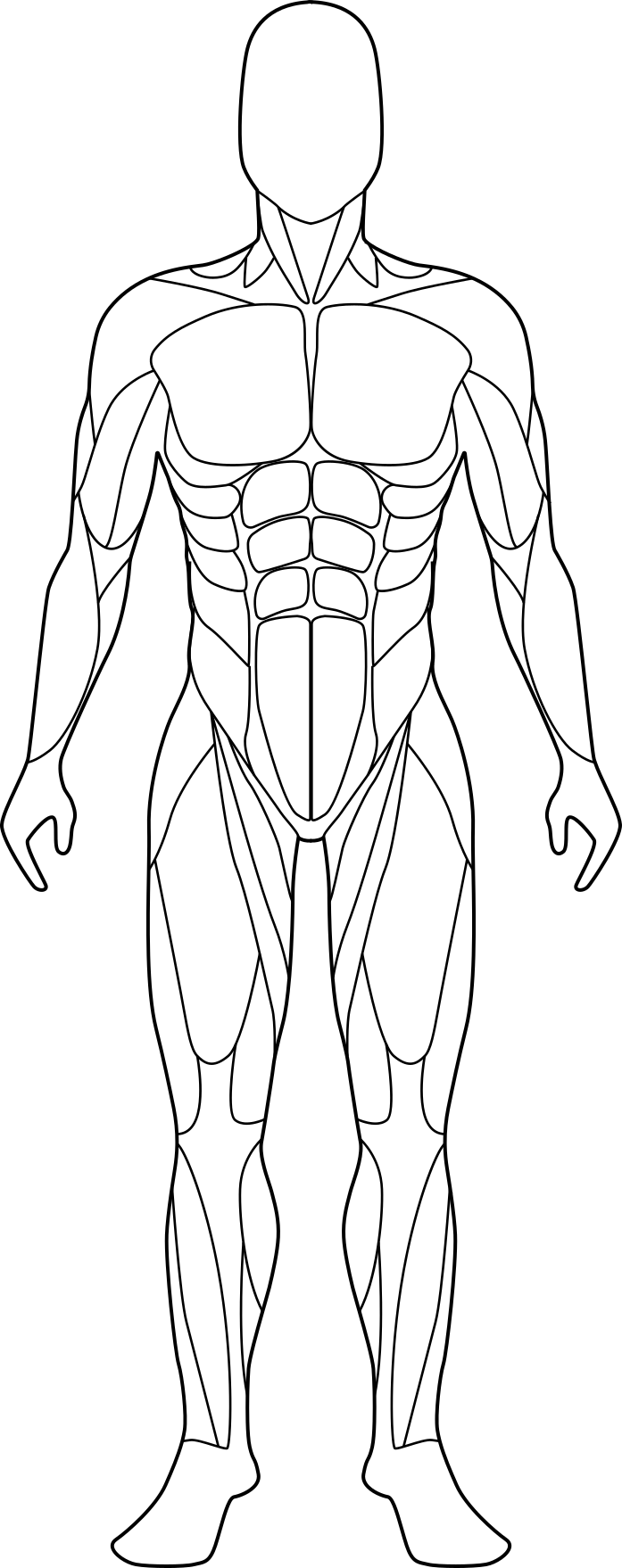

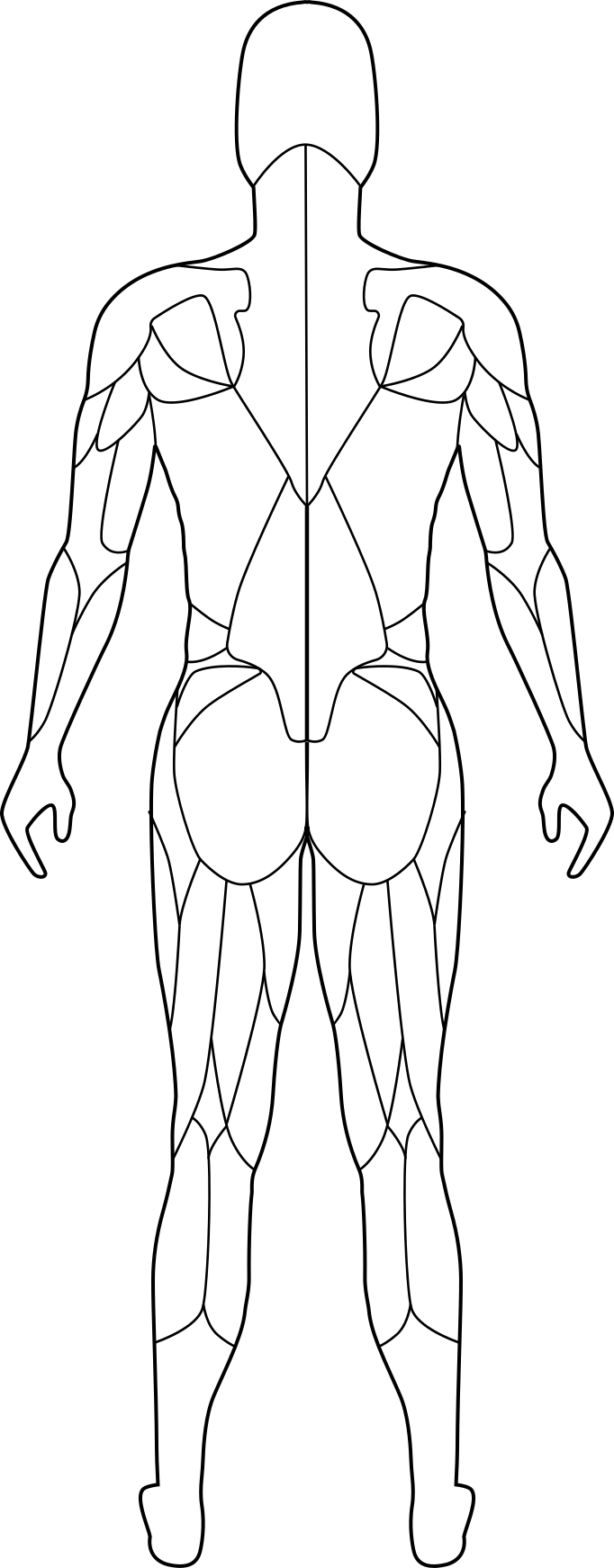

Setting up
- Attach a short straight bar or EZ bar to a low pulley and set a light weight. Wrist curls feel hard quickly, so start lighter than you think you need.
- Place a flat bench in front of the machine, a short distance back from the pulley, and kneel behind it facing the stack.
- Rest your forearms along the bench with your palms facing up and your wrists just past the edge, so your hands can move freely.
- Hold the bar with an underhand grip, hands about shoulder-width apart, and let the cable pull the bar down towards the floor.
How to do the Cable Wrist Curl
- Start with your forearms flat on the bench, elbows tucked in and your grip loose enough to let the bar lower your wrists into a gentle stretch.
- Let the bar roll down towards your fingertips, keeping your fingers curled around it.
- Close your fingers and curl your wrists up, raising your knuckles towards the ceiling.
- Keep going until your wrists are fully bent and you feel a hard squeeze on the underside of your forearms.
- Pause briefly at the top, then lower the bar slowly over about two to three seconds.
- Stop at the bottom when your wrists are stretched, without letting the weight drag your forearms off the bench, then go straight into the next rep.
Form tips
- Think of your forearms as glued to the bench. Only your hands should move, and your forearms should stay still.
- Squeeze the underside of your forearms at the top, as if trying to point your knuckles at the ceiling.
- Count a slow lowering phase of two to three seconds. The cable keeps the tension on, so there is no reason to let it drop.
- Choose a weight you can control through the full range with your elbows staying put, rather than the heaviest you can lift.
- Keep your wrists in line with your forearms, not twisted to one side, so the movement stays a straight curl.
Common mistakes
Lifting the forearms off the bench
Lower the weight and keep your forearms pressed flat throughout. If they lift, the movement is coming from your arms and shoulders rather than your wrists.
Using too much weight
Drop the weight until you can do every rep smoothly with a full range. Heavy loads shorten the movement and turn it into a jerky swing.
Rushing the lowering phase
Take two to three seconds to lower the bar. This keeps the tension on your forearms and stops the cable snapping your wrists down.
Cutting the range short
Let the bar roll towards your fingertips at the bottom, then curl all the way up. Work through the full range you can control without strain.
Sets and reps
| Build strength | 3-4 sets of 6-10 reps with a weight that feels challenging but controlled, resting 90-120 seconds between sets. |
|---|---|
| Build muscle | 3-4 sets of 10-15 reps with a slow lowering phase, resting 60-90 seconds between sets. |
| Fat loss and general fitness | 2-3 sets of 15-20 reps with a lighter weight, resting 30-45 seconds. Use it as part of a wider programme alongside bigger exercises, as it is a small-muscle movement. |
Pick a weight where the last rep or two of each set is hard but your form stays clean. When every set feels easy, it's time to go up.
Cable Wrist Curl alternatives
Machine taken, or want some variety? These work the same main muscles.
Cable Wrist Curl FAQs
What weight should I use for cable wrist curls?
Start light, often 5-10 kg depending on the machine, and add weight only when you can complete all your reps with a full range and no movement from your forearms. Forearm muscles are small, so progress comes in small steps.
How often should I train forearms with wrist curls?
Two sessions a week is plenty for most people, with at least a day between them. Many lifters add the exercise at the end of an upper-body or pull session. If your forearms feel sore or tired, give them more time before the next session.
Are cable wrist curls better than dumbbell wrist curls?
Neither is better outright. The cable keeps constant tension through the whole range, while a dumbbell is easier to set up and the load eases off at some points of the movement. Choose whichever you can do with the best control, and your forearms will be worked either way.
Track your Cable Wrist Curl progress
GymTracker builds your plan, pre-fills the weight from last time and tells you when to go up. Free.
Start free