
Tempo Press-Up on Dumbbells
The tempo press-up on dumbbells is a press-up with your hands on dumbbell handles, a slow 3-second lowering phase and a one-second pause at the bottom. It builds the chest and triceps through a deeper range than a floor press-up, and the slow lowering teaches control. It suits beginners who can already do a few good press-ups, and more experienced lifters who want to make bodyweight work harder without adding load.
Muscles worked
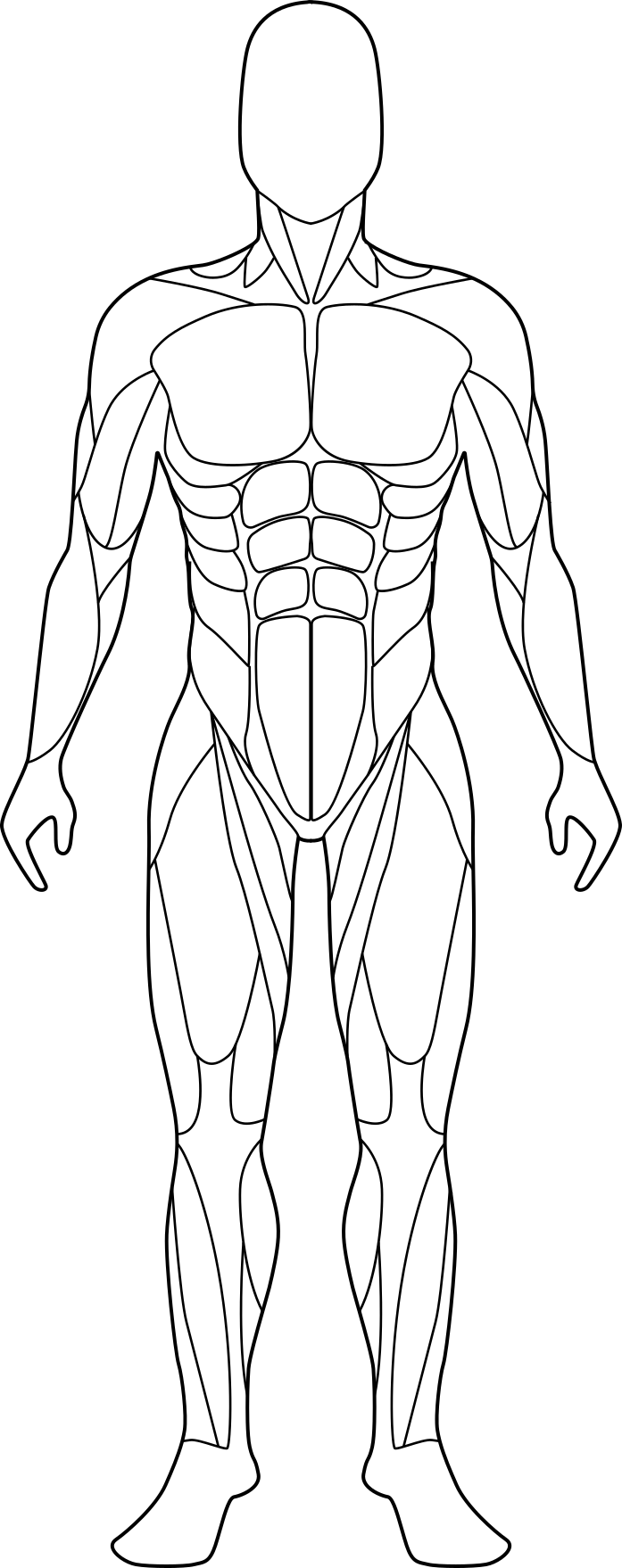
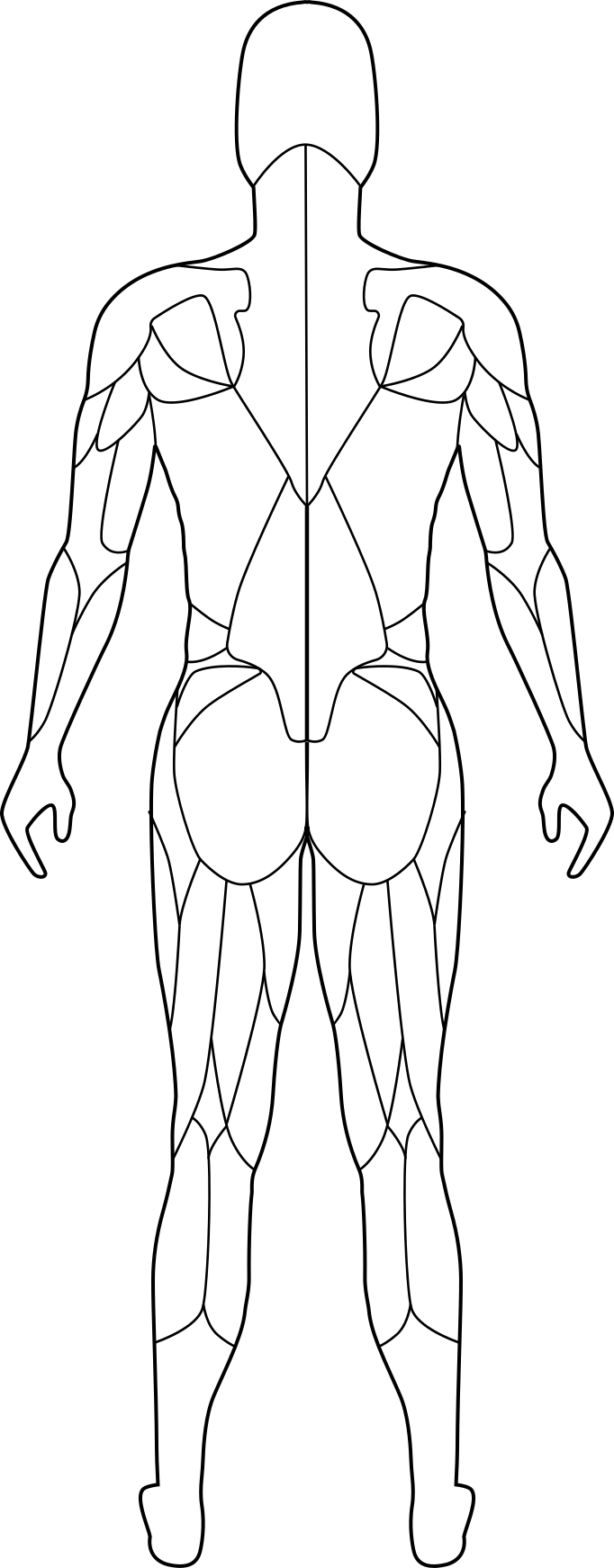
The Tempo Press-Up on Dumbbells mainly works your chest and triceps, with your abs and anterior delts helping.


Setting up
- Use two hexagonal or fixed dumbbells that cannot roll. Place them on a non-slip floor, parallel to each other, about shoulder-width apart. Round or loose-plated dumbbells can spin and twist your wrists.
- Get into a long-arm plank with each hand gripping a handle. Your wrists should be straight and stacked under your shoulders, and the dumbbell should sit flat on the floor beneath your palm.
- Walk your feet back until your body forms a straight line from head to heels. Set your feet roughly hip-width apart, or closer together if you feel steady.
- Brace your abs as if you are about to be nudged in the stomach, and keep your neck long with your eyes on the floor just ahead of your hands.
How to do the Tempo Press-Up on Dumbbells
- Start at the top of the press-up with your arms straight, gripping the handles firmly and your abs braced so your body stays in one straight line.
- Begin bending your elbows and lower your chest towards the floor, counting a slow three seconds all the way down.
- Keep your elbows angled back at roughly 45 degrees from your body, not flared out to the sides, as your chest travels down between your hands.
- Pause for one full second at the bottom, with your chest just above the floor, and feel the stretch across your chest. Do not rest your weight on the floor.
- Press the handles into the floor and push back up fast, straightening your arms without letting your hips sag or rise.
- Reset your brace at the top and repeat. When you can no longer control the 3-second lowering, end your set.
Form tips
- Grip the handles hard and push them into the floor. This keeps your wrists straight and helps you feel your chest and triceps working.
- Count out loud or in your head: one, two, three on the way down. If you drop in the last second, the set is over.
- Keep your ribs pulled down and your abs tight so your lower back does not dip as you lower.
- Aim to stretch your chest at the bottom without letting your shoulders roll forward. Keep your chest proud and your elbows tucked.
- If a full set is too hard, put your knees on the floor and keep a straight line from knees to head. Keep the slow 3-second count.
Common mistakes
Dropping quickly through the lowering phase
Slow down and count a full three seconds. If you cannot, the exercise is too hard for now, so move to a knees-down version or do fewer reps.
Sagging hips or piking up
Brace your abs hard before you start and keep your body in one straight line. Film a set from the side to check your hips stay level with your shoulders and heels.
Flaring the elbows wide
Tuck your elbows back to about 45 degrees from your torso. Imagine bending the handles inwards as you lower so your elbows stay close to your ribs.
Bent or wobbly wrists
Stack your wrists directly under your forearms and grip the handle firmly. If the dumbbells move, switch to hexagonal ones or place them on a flatter surface.
Sets and reps
| Build strength | 4 sets of 4-6 reps with the full 3-second lowering, resting 2-3 minutes. Use knees-down or an easier variation if you cannot keep the tempo. |
|---|---|
| Build muscle | 3-4 sets of 6-10 reps, resting 60-90 seconds. Stop each set when you can no longer control the descent. |
| Fat loss and general fitness | 2-3 sets of 6-10 reps, resting 45-60 seconds. Pair with other exercises in a circuit, keeping the slow lowering on every rep. |
Pick a weight where the last rep or two of each set is hard but your form stays clean. When every set feels easy, it's time to go up.
Tempo Press-Up on Dumbbells alternatives
Machine taken, or want some variety? These work the same main muscles.
Tempo Press-Up on Dumbbells FAQs
Are press-ups on dumbbells better than normal press-ups?
They are not better for everyone, but they let your chest travel slightly deeper than a floor press-up, which gives a bigger stretch. They also keep your wrists straight, which many people find more comfortable. Make sure the dumbbells are stable and cannot roll.
Why is the slow lowering phase important?
A 3-second lowering keeps your chest and triceps under tension for longer and stops you using momentum. It also makes each rep harder, so you do not need extra weight. If you cannot control it, the set is finished.
What weight of dumbbells should I use?
The dumbbells are only handles, so you are lifting your bodyweight, not the dumbbells. Pick a pair that sits firmly on the floor and does not roll, such as hexagonal ones. Anything from around 5 kg upwards is usually stable enough. Stop if you feel pain in your shoulders, elbows or wrists and get it checked.
Track your Tempo Press-Up on Dumbbells progress
GymTracker builds your plan, pre-fills the weight from last time and tells you when to go up. Free.
Start free