Piston Floor (or Bench) Press
The piston press is a dumbbell press where you lower one arm at a time while the other stays locked out above you, like a piston. It builds the chest and triceps, with help from the front of the shoulders. The floor version suits beginners and anyone training at home, because the floor stops your arm at a set depth.
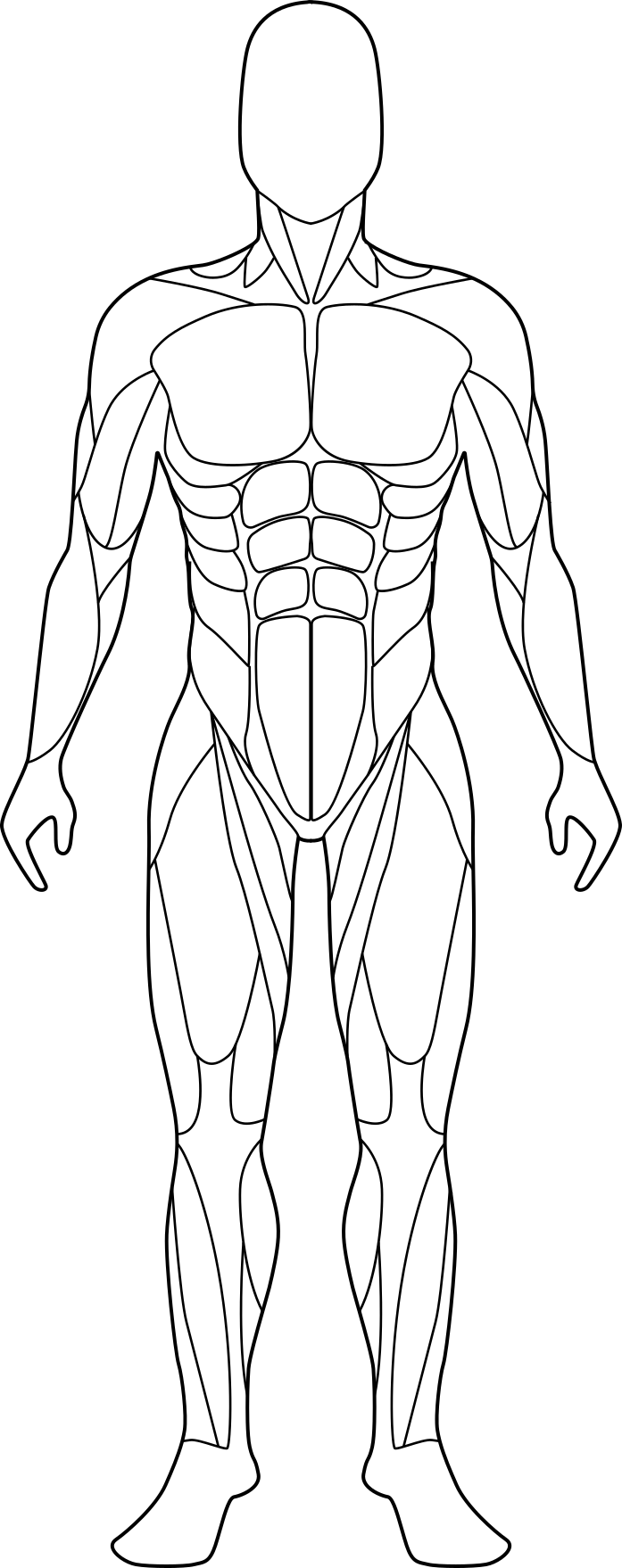
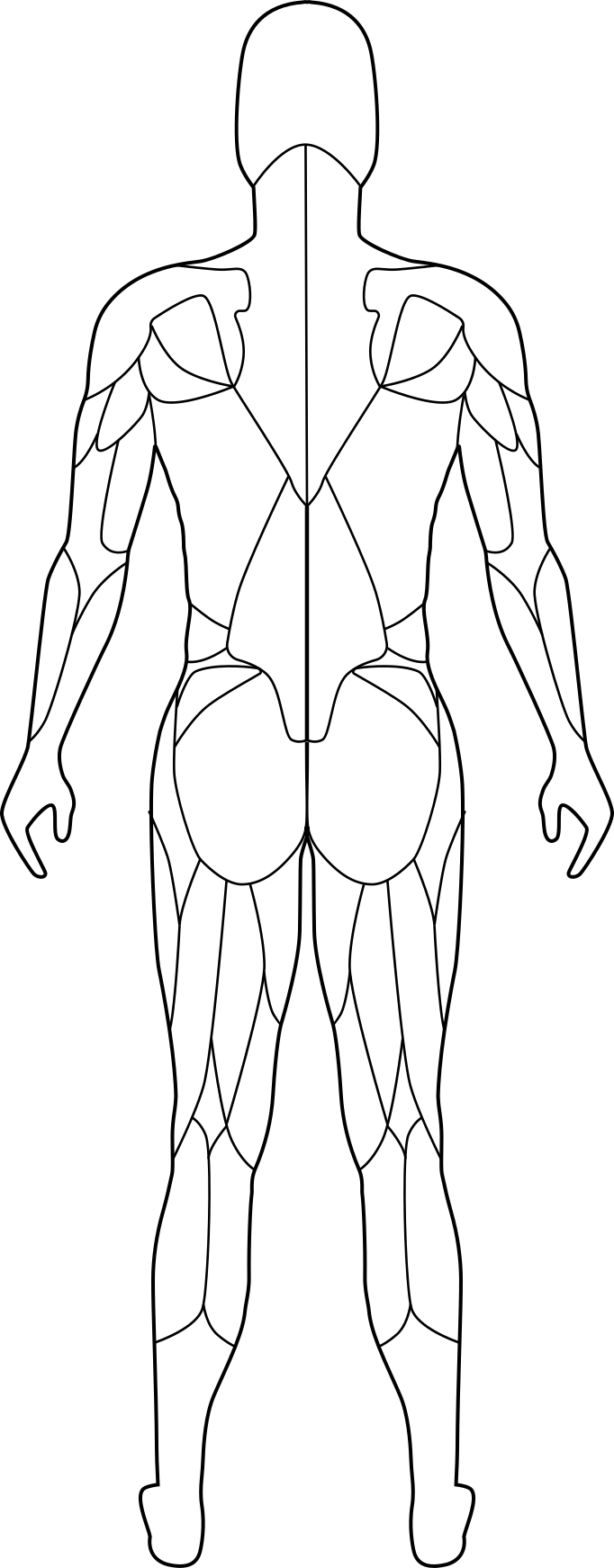
Muscles worked
The Piston Floor (or Bench) Press mainly works your chest and triceps, with your anterior delts helping.


Setting up
- Pick a pair of dumbbells lighter than you would use for a normal press. You will be holding one arm up while the other works, so start with a weight you can control easily.
- Sit on the floor (or the end of a bench) with the dumbbells resting on your thighs. Lie back and bring them up to your chest one at a time, using your knees to help you.
- Bend your knees and plant your feet flat, about hip-width apart. Pull your shoulder blades back and down, so your upper back stays pinned to the floor.
- Press both dumbbells up until your elbows are locked out, with your wrists straight and the weights directly over your shoulders.
How to do the Piston Floor (or Bench) Press
- Start with both arms locked out above your chest, palms facing your feet or slightly angled in, and your feet pushing into the floor.
- Take a breath in and keep your ribs down. Keep your left arm fully locked out and stay still.
- Lower your right dumbbell slowly, with your elbow angled about 45 degrees from your body (not straight out to the side), until the back of your upper arm lightly touches the floor.
- Pause for a second with the arm resting on the floor. Do not bounce or relax into it. On a bench, stop when your upper arm is level with your torso.
- Breathe out and press the dumbbell back up in a straight line until your elbow is fully locked out and both arms match.
- Repeat with the left arm while the right stays locked out. Each arm lowered and pressed counts as one rep.
Form tips
- Keep the resting arm properly locked out. Squeeze your chest and triceps to hold it there, as it is working too.
- Keep the dumbbell stacked over your elbow throughout. If it drifts towards your head or your feet, your forearm is out of position.
- Keep your wrist straight, so the dumbbell sits over your forearm rather than bending your hand back.
- Push your feet into the floor and keep your back flat to the floor. Don't let your hips lift or your lower back arch to get the weight up.
- Control the way down over about two seconds. Pushing up from the pause is where you feel the chest and triceps working hardest.
Common mistakes
The resting arm bends or drops
Lock the resting arm out fully and keep it over your shoulder for the whole rep. If it keeps sagging, reduce the weight.
Bouncing off the floor
Lower slowly, touch your arm down lightly and pause for a full second before pressing. The pause stops you using momentum.
Elbows flared out wide
Tuck your elbow to roughly 45 degrees from your body as you lower. This keeps the work in your chest and triceps and is kinder on your shoulders.
Twisting or arching to push the weight up
Keep your shoulders and hips flat and your feet planted. If your body rotates as you press, the dumbbells are too heavy, so go lighter.
Sets and reps
| Build strength | 3-5 sets of 5-6 reps per arm, heavy but controlled, resting 2-3 minutes between sets. |
|---|---|
| Build muscle | 3-4 sets of 8-12 reps per arm, resting 60-90 seconds between sets. |
| Fat loss and general fitness | 2-3 sets of 12-15 reps per arm with a lighter weight, resting 45-60 seconds, as part of a full-body plan. |
Pick a weight where the last rep or two of each set is hard but your form stays clean. When every set feels easy, it's time to go up.
Piston Floor (or Bench) Press alternatives
Machine taken, or want some variety? These work the same main muscles.
Piston Floor (or Bench) Press FAQs
Is the piston press better on the floor or a bench?
Neither is better, they just suit different people. The floor limits how far your arm can go down and helps you stay stable, so it is a good choice for beginners and home training. A bench gives you a longer range of motion once you are comfortable with the movement.
How heavy should I go on a piston press?
Pick a weight that lets you keep the resting arm locked out and control every rep with a one-second pause. It will usually be lighter than your normal dumbbell press. If your arms shake or your body twists, go lighter.
What muscles does the piston press work?
It mainly works your chest and triceps, with the front of your shoulders helping. The arm that stays locked out is also working hard to hold the weight steady. Stop if you feel any pain and get it checked.
Track your Piston Floor (or Bench) Press progress
GymTracker builds your plan, pre-fills the weight from last time and tells you when to go up. Free.
Start free