Sumo High Pull
The kettlebell sumo high pull combines a wide-stance squat with an upright-row style pull, so your legs drive the weight up and your shoulders finish the movement. It works the quadriceps and shoulders hardest, with the glutes and rhomboids helping. It suits beginners who can squat comfortably and want a simple, full-body kettlebell lift, as well as experienced lifters who want a quick, demanding exercise.
Muscles worked
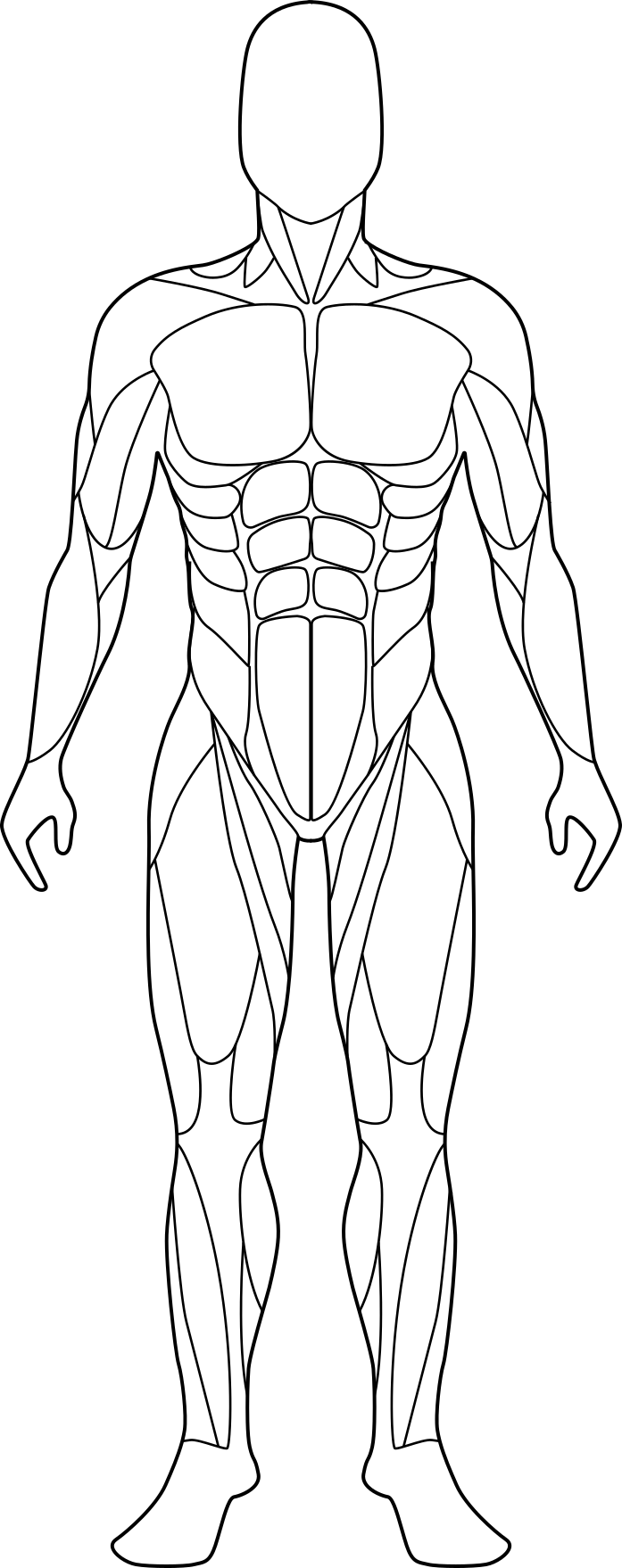
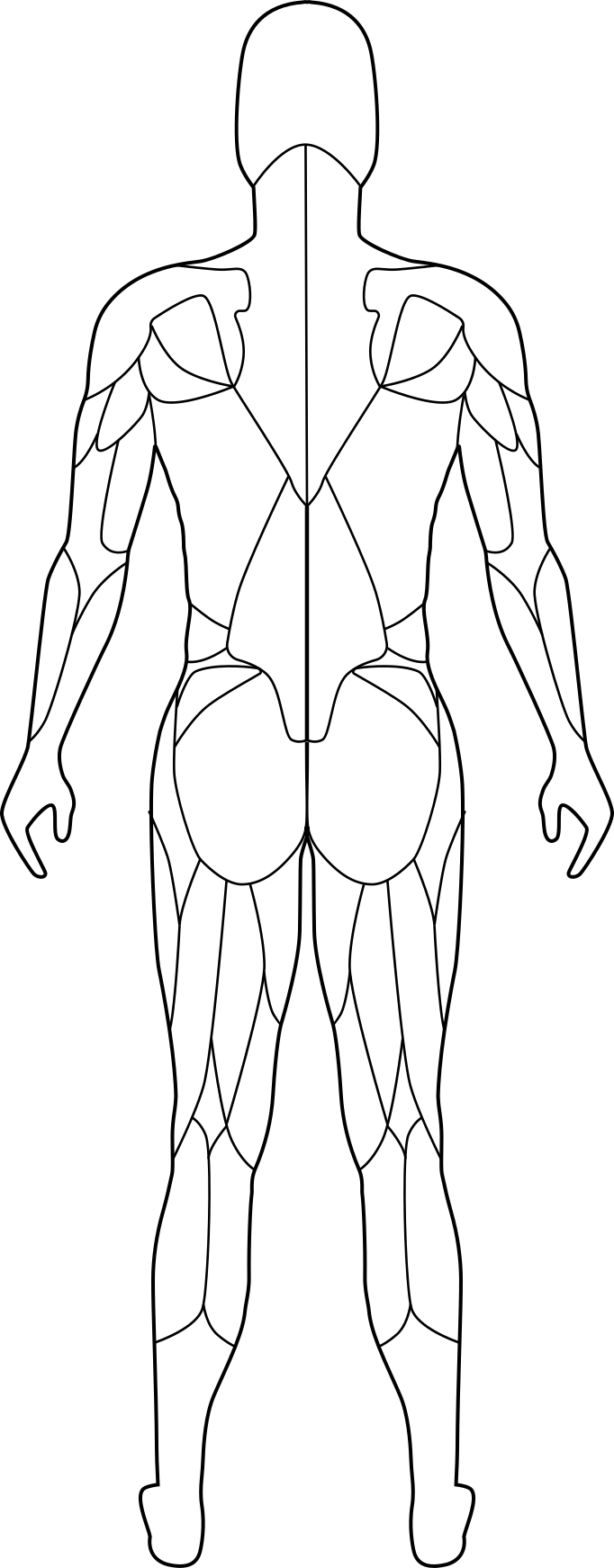
The Sumo High Pull mainly works your quadriceps, anterior delts and lateral delts, with your glutes and rhomboids helping.


Setting up
- Place the kettlebell on the floor between your feet, with the handle in line with the middle of your feet. Stand with your feet wider than shoulder-width and your toes turned out about 30 to 45 degrees.
- Wear flat, stable trainers, or go barefoot if your gym allows it, so you can press evenly through the whole foot.
- Start with a light kettlebell, often 8 to 12 kg, and choose a weight you can lift for 10 clean reps. Add weight only when every rep looks the same.
How to do the Sumo High Pull
- Stand tall over the kettlebell, take a breath in and brace as if someone were about to tap you in the stomach.
- Sit your hips down and slightly back, keeping your chest up and your knees tracking out over your toes, until your knees are around 90 degrees or as low as you can go with a flat back.
- Reach down and take the handle with both hands, palms facing you and arms straight. Your shoulders should sit roughly over or just behind the handle, with your weight over the middle of your feet.
- Push the floor away through your whole foot and stand up powerfully, keeping the kettlebell close to your body and your arms straight for the first part of the lift.
- As your legs finish straightening, pull your elbows up and out to the sides so the kettlebell travels up to chin height. Your elbows should finish higher than your hands, roughly in line with the top of your head.
- Lower the kettlebell under control by straightening your arms as it passes your chest, then sit back into the squat and set it down or go straight into the next rep.
Form tips
- Think of the first half of the lift as a leg press into the floor. Your arms stay long until your legs are nearly straight.
- Lead with your elbows, not your hands. Imagine pulling your elbows towards the ceiling, with the handle following close to your body.
- Push your knees out in line with your toes as you squat and stand, so your feet stay flat and your knees do not drift inwards.
- At the top, squeeze your shoulder blades gently together and keep your ribs down, standing tall rather than leaning back.
- Keep the handle close to your stomach and chest all the way up and down. If it swings away from you, the weight is probably too heavy.
Common mistakes
Pulling with the arms too early
Keep your arms straight until your legs are almost fully extended. Practise with a lighter kettlebell and think 'legs first, then elbows'.
Rounding the spine at the bottom
Keep your chest up and brace before you lift. If you cannot reach the handle with a flat back, squat only as low as you can hold that position, or stand the kettlebell on a low block or plate.
Knees caving in
Turn your toes out slightly and push your knees out in line with your feet. A lighter weight and a slower lowering phase will help you feel this.
Leaning back or shrugging at the top
Finish standing tall, with your elbows leading and the kettlebell around chin height. Do not heave it higher with a backward lean or hunched shoulders.
Sets and reps
| Build strength | 4-5 sets of 5-6 reps with a challenging kettlebell, resting 2-3 minutes between sets |
|---|---|
| Build muscle | 3-4 sets of 8-12 reps, resting 60-90 seconds between sets |
| Fat loss and general fitness | 3 sets of 12-15 reps with a lighter kettlebell, resting 45-60 seconds, as part of a full-body workout |
Pick a weight where the last rep or two of each set is hard but your form stays clean. When every set feels easy, it's time to go up.
Sumo High Pull alternatives
Machine taken, or want some variety? These work the same main muscles.
Sumo High Pull FAQs
What muscles does the kettlebell sumo high pull work?
It mainly works your quadriceps, plus the front and side of your shoulders (anterior and lateral delts). Your glutes and rhomboids also help to drive and control the movement.
How heavy should my kettlebell be for sumo high pulls?
Pick a weight that lets you complete 10 smooth reps with your arms staying relaxed until your legs have nearly finished extending. If the kettlebell swings away from you or your form slips, go lighter. Increase the weight gradually once your technique stays consistent.
Is a sumo high pull the same as an upright row?
No. An upright row is mainly a shoulder exercise, whereas the sumo high pull uses a wide squat so your legs create most of the power. The pull at the end is similar, but the sumo high pull is a bigger, full-body movement.
Track your Sumo High Pull progress
GymTracker builds your plan, pre-fills the weight from last time and tells you when to go up. Free.
Start free