
Kettlebell Thrusters
The kettlebell thruster links a front squat and an overhead press into one smooth movement, using the power from your legs to drive the bells overhead. It builds strength in your quads and shoulders and gets your heart rate up quickly. It suits lifters who already squat comfortably with a light weight and want a demanding full-body exercise.
Muscles worked
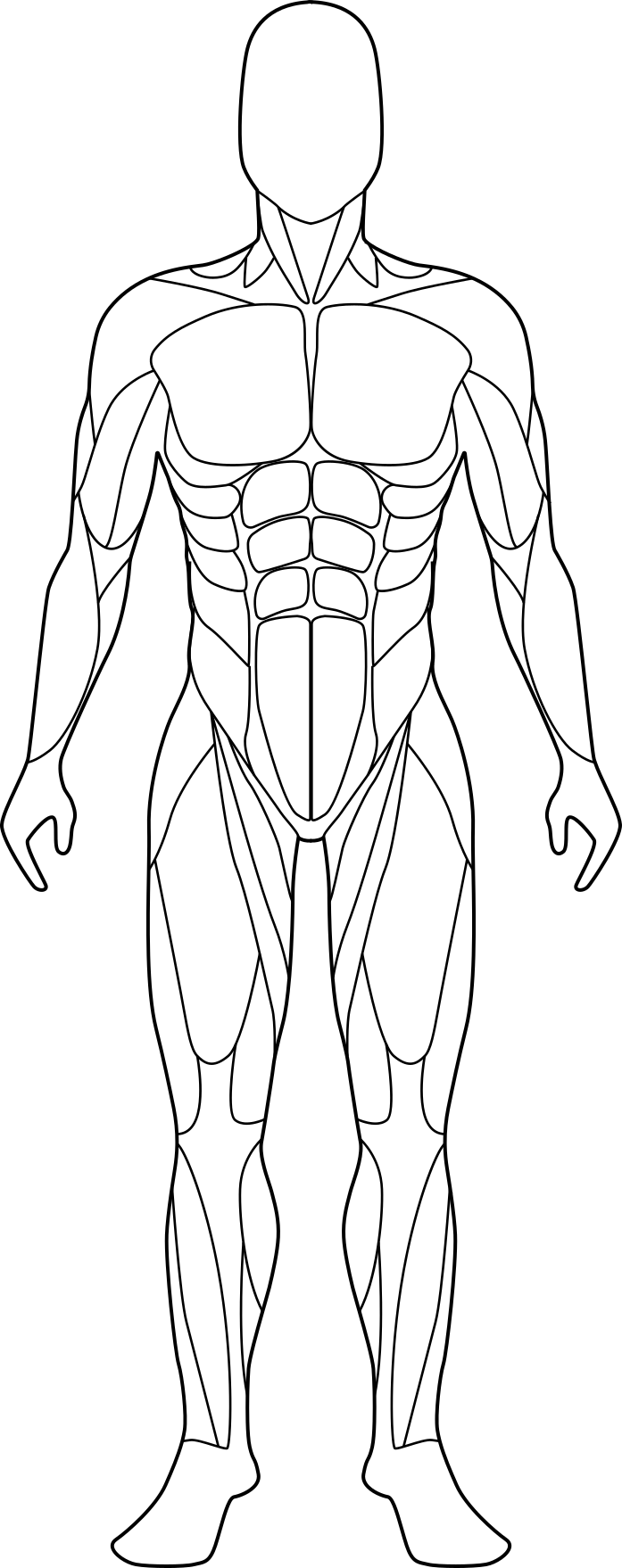
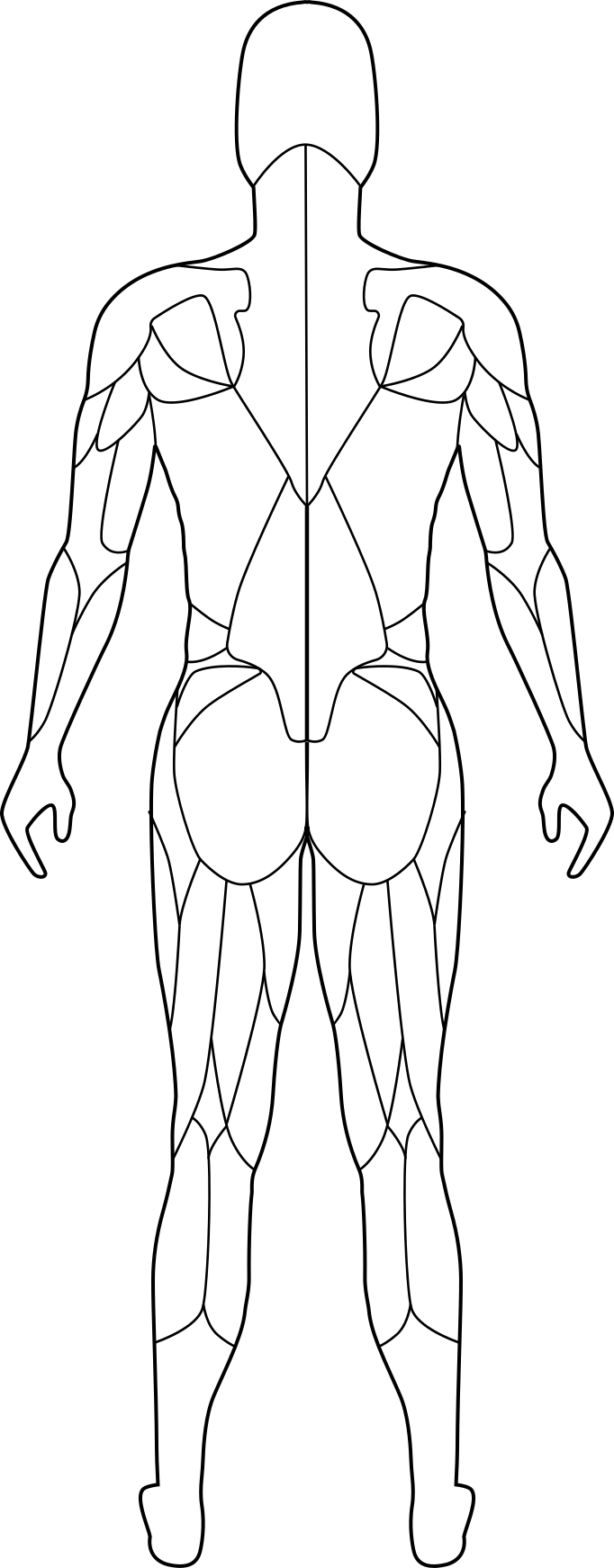
The Kettlebell Thrusters mainly works your quadriceps, anterior delts and lateral delts, with your triceps and glutes helping.


Setting up
- Pick up two kettlebells of the same weight and bring them to the rack position: handles in your hands, elbows tucked in front of you, and the bells resting against your forearms and the outside of your shoulders.
- Stand with your feet about shoulder-width apart and your toes turned out slightly, so your knees can track over your feet as you squat.
- Keep your wrists straight and your elbows pointing down and slightly forward, so the weight is held by your shoulders and not dragging on your hands.
- Start lighter than you think you need. Your legs and shoulders both have to cope with the load, and you must be able to press it overhead when you're tired.
How to do the Kettlebell Thrusters
- Stand tall in the rack position, take a breath in and brace your stomach as if you were about to be nudged.
- Sit down between your knees, keeping your chest up and your elbows in front of you, until your thighs are about parallel to the floor or as deep as you can go comfortably.
- Push your whole foot into the floor and stand up fast, keeping your knees in line with your toes.
- As your legs straighten, use that upward drive to press both bells overhead without pausing.
- Finish with your arms fully straight, biceps by your ears and the bells above the middle of your feet, with your ribs pulled down.
- Lower the bells back to your shoulders under control as you drop into your next squat, and repeat.
Form tips
- Think of it as one movement, not a squat followed by a press. The press starts as your legs finish driving up.
- Keep your elbows up and in front in the bottom position so the bells don't pull you forward.
- Push your knees out in line with your toes as you squat, and keep your heels flat on the floor.
- Squeeze your glutes at the top of each rep to finish standing tall, and avoid leaning back to get the bells up.
- Breathe in at the top, brace as you squat, and breathe out as you press. If you get tired, take a short break rather than rushing reps.
Common mistakes
Pressing with the arms only
Don't stand up fully and then start pressing. Begin the press as your legs finish driving, so your legs do the early work and your shoulders and triceps finish the lift. If it feels too hard, drop the weight.
Elbows dropping and chest folding forward
Keep your elbows up in front of you and your chest tall as you squat. If the bells pull you forward, the weight is too heavy or your rack position has slipped, so reset before the next rep.
Knees caving in or heels lifting
Push your knees out over your toes and keep your whole foot on the floor. Turning your toes out slightly and squatting only as deep as you can control will help.
Leaning back at the top
Pull your ribs down and squeeze your glutes as the bells reach the top. Your arms should finish straight over the middle of your feet, not behind you.
Sets and reps
| Build strength | 4-5 sets of 4-6 reps with a challenging but controlled weight, resting 2-3 minutes between sets. |
|---|---|
| Build muscle | 3-4 sets of 8-12 reps with a moderate weight, resting 60-90 seconds between sets. |
| Fat loss and fitness | 3-4 rounds of 10-15 reps with a lighter weight, resting 45-60 seconds between rounds, or use it as part of a circuit. |
Pick a weight where the last rep or two of each set is hard but your form stays clean. When every set feels easy, it's time to go up.
Kettlebell Thrusters alternatives
Machine taken, or want some variety? These work the same main muscles.
Kettlebell Thrusters FAQs
What weight kettlebells should I use for thrusters?
Start with a pair you can front squat and press overhead comfortably for around 10 reps, often 8-12 kg each for beginners. Add weight only when your form stays steady through every set.
Why do the kettlebells bang against my forearms?
This usually happens when the bells aren't settled in the rack position or when you drop them back to your shoulders too fast. Keep your elbows tucked in front and lower the bells under control. A longer-sleeved top can help with the bruising.
Can I do kettlebell thrusters with one kettlebell?
Yes, you can use one kettlebell held in the rack position on one side, then swap sides between sets. It lets you practise the movement with less load, though the one-sided weight makes it harder to stay balanced. If anything hurts, stop and get it checked.
Track your Kettlebell Thrusters progress
GymTracker builds your plan, pre-fills the weight from last time and tells you when to go up. Free.
Start free