
Split Squat Jump (Bodyweight)
The split squat jump is a bodyweight lunge where you drive up explosively and swap legs in the air, landing with the opposite foot forward. It builds leg power and strength in your quads and glutes, with your hamstrings and calves helping out. It suits fit beginners who are confident with a normal lunge, as well as more experienced lifters wanting a no-kit leg finisher or a power exercise.
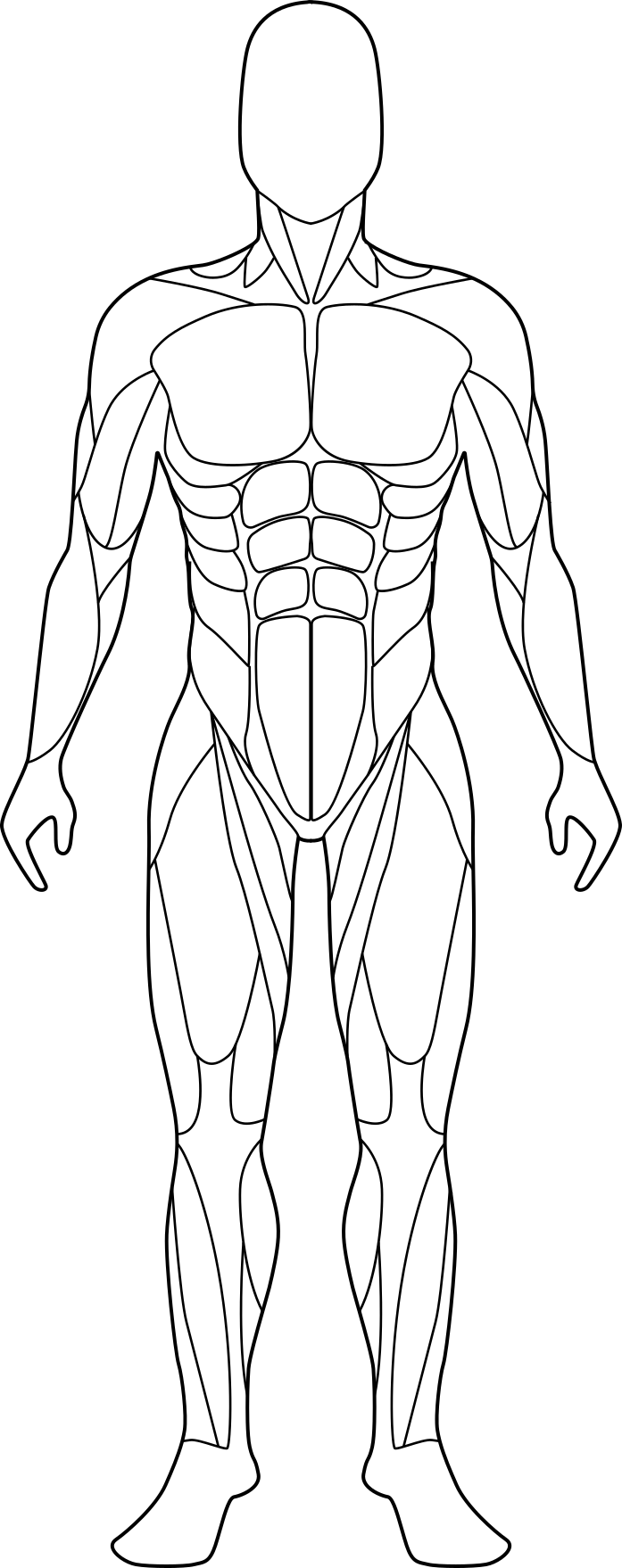
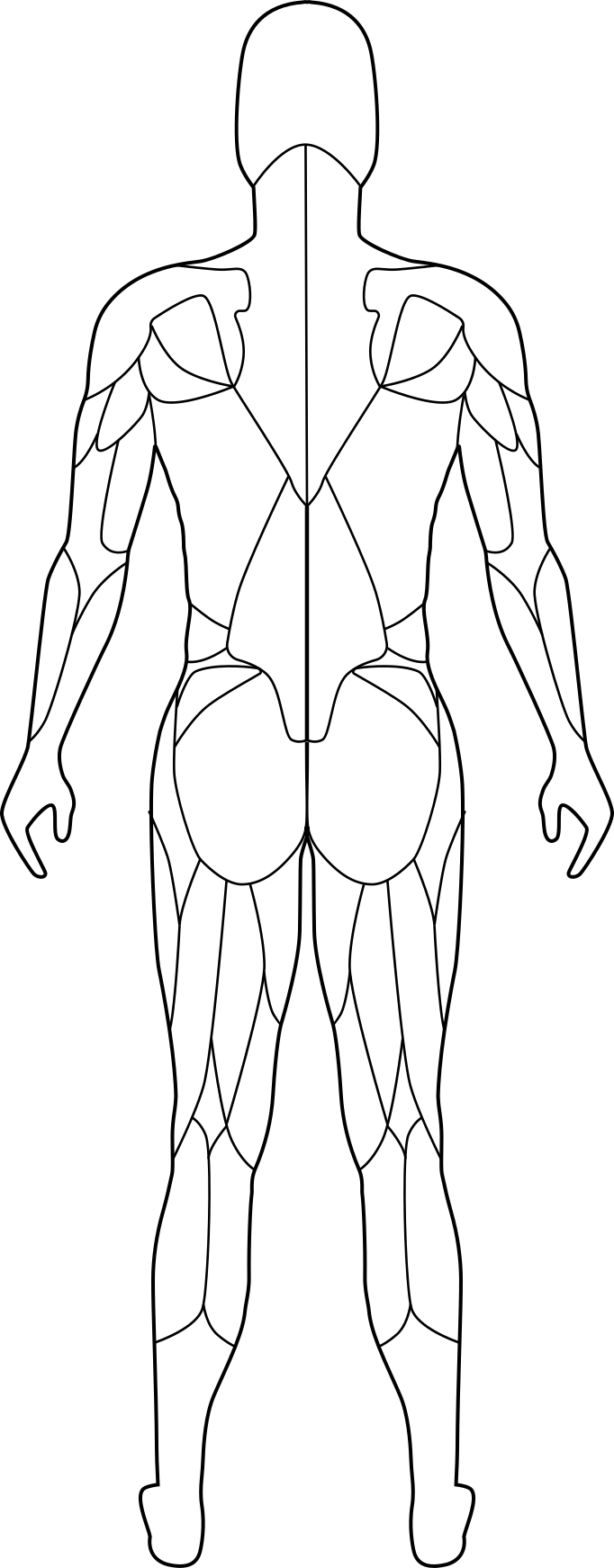
Muscles worked
The Split Squat Jump (Bodyweight) mainly works your quadriceps and glutes, with your hamstrings and calves helping.


Setting up
- Clear a flat, non-slip area with plenty of room, and wear supportive trainers. Do not do these on a slippery floor or in socks.
- Stand tall, then step one foot back into a long lunge stance. Your feet should be about hip-width apart side to side, not on a tightrope line.
- Your front foot should be flat, with your weight mostly over the front heel and mid-foot. Your back heel is lifted, with the ball of the foot on the floor.
- Place your hands on your hips, or let your arms swing naturally once you are confident.
How to do the Split Squat Jump (Bodyweight)
- From your lunge stance, take a breath in, keep your chest tall and your ribs pulled down.
- Lower straight down by bending both knees until your front thigh is roughly parallel to the floor and your back knee hovers just above the floor. You do not need to touch it.
- Push hard through your whole front foot and drive up as explosively as you can, aiming for good height.
- While you are in the air, switch your legs so the back leg comes forward and the front leg goes back.
- Land softly on the ball of each foot, then let your heels settle as you sink straight into the next lunge, with your knees bending to absorb the landing.
- Pause for a moment to get steady, then jump again. Repeat for your reps, counting each landing as one rep.
Form tips
- Think of dropping straight down and driving straight up, rather than lunging forwards and backwards.
- Push through the front foot and squeeze your glute of the front leg as you take off to get the most power.
- Keep your torso tall with your ribs down, rather than folding forward over your front thigh.
- Land quietly. If you sound heavy, you are landing too stiff, so bend your knees and hips more to soak up the impact.
- Quality beats quantity. Stop the set when your height drops or your landings get sloppy, and rest before the next set.
Common mistakes
Stance too short
If your front knee is travelling far past your toes or your back leg feels cramped, take a longer step back. Your front shin should be close to vertical at the bottom.
Front knee caving inwards
Keep your front knee tracking in line with your middle toes on every landing. If it keeps drifting in, slow down and practise static split squats first.
Crashing the back knee into the floor
Lower under control and stop just above the floor. Landing hard on your knee takes away the power and is uncomfortable.
Landing stiff-legged
Land on the ball of your foot and immediately bend into the lunge, letting your quads and glutes absorb the impact. Think quiet, soft landings.
Sets and reps
| Build strength and power | 4-5 sets of 6-8 total jumps (3-4 per leg), maximum effort on each jump, resting 90-120 seconds between sets |
|---|---|
| Build muscle | 3-4 sets of 10-16 total jumps, resting 60-90 seconds. Pair with slower exercises like split squats or lunges. |
| Fat loss and fitness | 3-5 rounds of 30 seconds of jumps followed by 30 seconds of rest, as part of a circuit. Use a steady pace you can keep controlled. |
Pick a weight where the last rep or two of each set is hard but your form stays clean. When every set feels easy, it's time to go up.
Split Squat Jump (Bodyweight) alternatives
Machine taken, or want some variety? These work the same main muscles.
Split Squat Jump (Bodyweight) FAQs
What is the difference between a split squat jump and a jump lunge?
They are very similar. In both you lower into a lunge, jump and swap legs in the air. Some people use "split squat jump" for a version where you land in the same stance, so check you are doing the switching version if that is your aim.
How can I make split squat jumps easier?
Start with normal bodyweight split squats or reverse lunges until you feel steady. Then try a smaller jump with a shallower lunge depth, and do fewer reps per set with longer rests.
Are split squat jumps bad for your knees?
They are a high-impact exercise, so build up gradually and focus on soft, controlled landings with your knee tracking over your toes. If you feel pain, stop and get it checked.
Track your Split Squat Jump (Bodyweight) progress
GymTracker builds your plan, pre-fills the weight from last time and tells you when to go up. Free.
Start free