
Farmer's Walk (Kettlebell)
The kettlebell farmer's walk is a loaded carry: you hold a heavy kettlebell in each hand and walk with controlled steps. It builds grip and forearm strength, and your traps, abs, glutes and calves work to keep you tall and steady. It suits beginners and experienced lifters alike, because it is simple to learn and easy to scale up or down.
Muscles worked
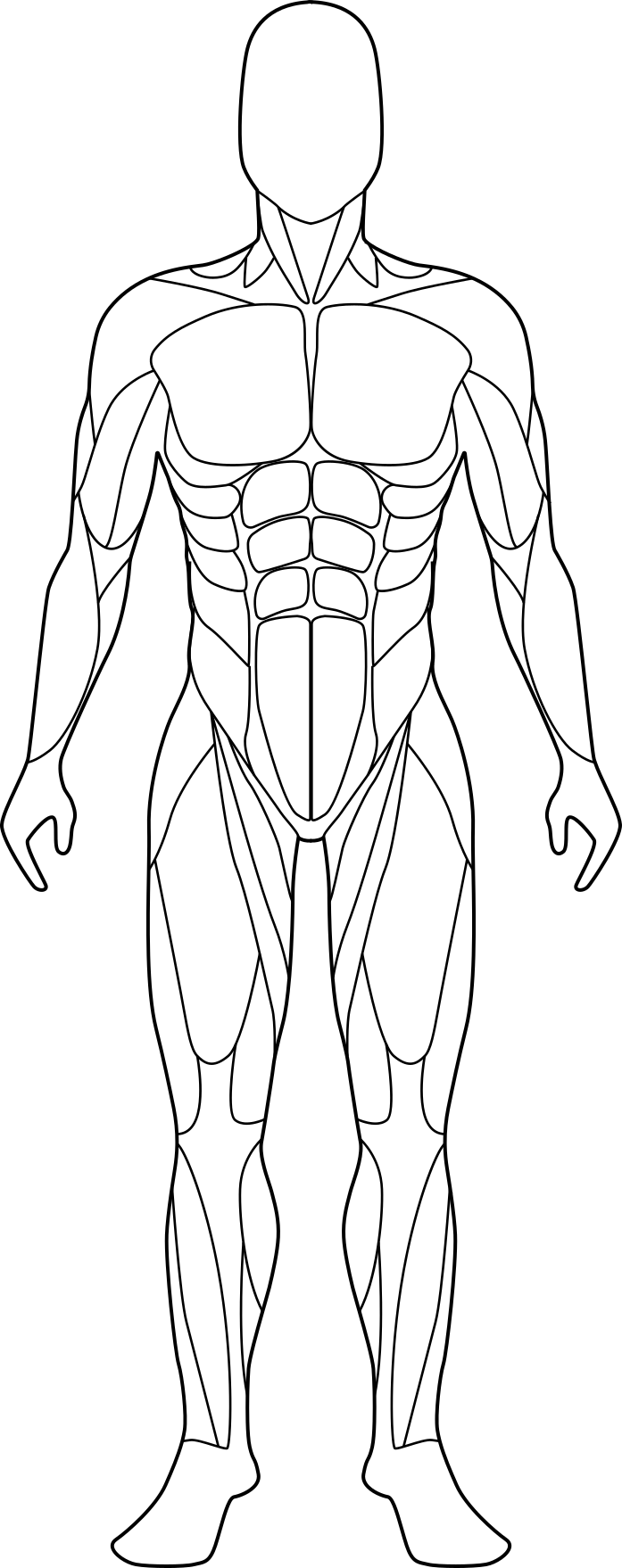
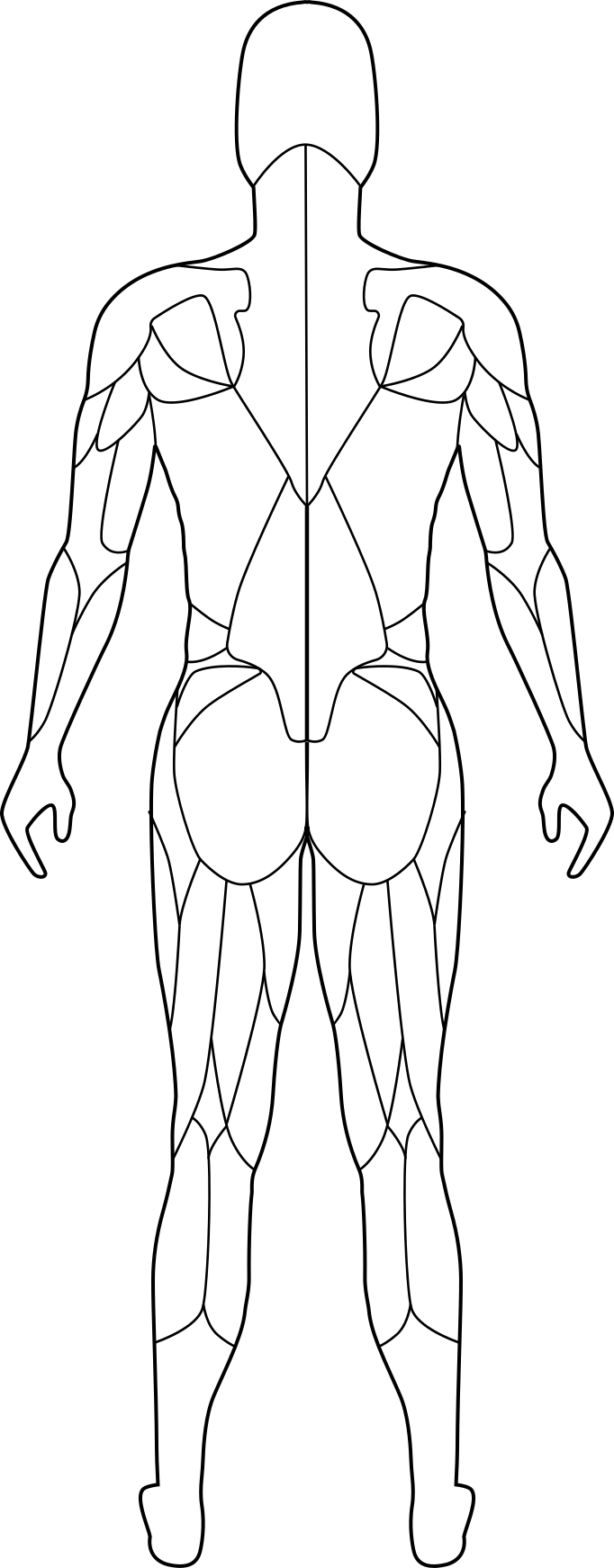
The Farmer's Walk (Kettlebell) mainly works your forearms, with your glutes, calves, abs and traps helping.


Setting up
- Place two kettlebells of equal weight on the floor, about shoulder-width apart, with one either side of your feet. Clear a straight walking path of 10-20 metres with nothing in the way.
- Wear flat, stable trainers. Soft running shoes with lots of cushioning make it harder to feel steady under load.
- Start lighter than you think you need. Pick a weight you could hold for at least 30 seconds without your shoulders sagging or your grip slipping.
- Stand with your feet hip-width apart, each kettlebell level with the middle of your foot, and look at a point on the floor a few metres ahead.
How to do the Farmer's Walk (Kettlebell)
- Push your hips back and bend your knees until you can reach the handles, keeping your chest proud and your back flat.
- Grip each handle in the middle with your whole hand, thumb wrapped around, and squeeze hard before you lift.
- Push the floor away through your whole foot and stand up tall, so the kettlebells hang by your sides, just off the floor.
- Brace your abs as if you were about to be nudged in the stomach, and pull your shoulders gently down and back, away from your ears.
- Walk forward with short, quick, controlled steps, keeping the bells hanging still beside you rather than swinging or knocking your legs.
- When you reach the end of your distance or time, stop and stand still for a moment, then hinge your hips back and lower the kettlebells to the floor under control.
Form tips
- Squeeze the handles as hard as you can all the way through. A tight grip makes your forearms work harder and keeps the bells steadier.
- Stand tall and keep your shoulders down, but don't let the weight drag them forward. Your traps should feel like they are holding your shoulders in place, not shrugging up towards your ears.
- Keep your ribs pulled down and your abs braced so you don't lean back or arch your lower back as you walk.
- Take shorter steps than you normally would, and roll smoothly through each foot. This stops the kettlebells bouncing and keeps your calves and glutes working steadily.
- Keep your eyes forward and your head in line with your body. Looking down at your feet tends to round your upper back.
Common mistakes
Kettlebells swinging into your legs
Shorten your steps and slow down. If the bells still bang against you, take your feet a touch wider and squeeze the handles tighter, or choose a lighter weight.
Shrugging or leaning back
Pull your shoulders down and keep your ribs over your hips. Brace your abs before you take the first step. If you lean back to cope with the weight, it is too heavy.
Rounding your back to pick up the bells
Push your hips back and keep your chest up as you reach for the handles. Treat the pick-up like a deadlift, and lower the bells the same way instead of dropping or dumping them.
Walking too fast or taking big strides
Keep your steps small and under control. Rushing makes the bells swing and your posture wobble, and speed isn't the aim here.
Sets and reps
| Build strength | 4-5 sets of 20-30 seconds (or 15-25 metres) with a heavy pair you can only just carry with good posture, resting 2-3 minutes between sets. |
|---|---|
| Build muscle | 3-4 sets of 30-45 seconds with a challenging but steady weight, resting 60-90 seconds between sets. |
| Fat loss and general fitness | 3-4 rounds of 40-60 seconds with a moderate weight, resting 45-60 seconds. Use it as part of a circuit alongside other exercises. |
Pick a weight where the last rep or two of each set is hard but your form stays clean. When every set feels easy, it's time to go up.
Farmer's Walk (Kettlebell) alternatives
Machine taken, or want some variety? These work the same main muscles.
Farmer's Walk (Kettlebell) FAQs
How heavy should my kettlebells be for a farmer's walk?
Choose a weight you can carry for 30-40 seconds with your shoulders level, your posture tall and your grip holding firm. Many beginners start with a pair of 8-12 kg kettlebells, but go by how it feels rather than the number. If you can easily carry them for over a minute, go heavier next time.
How far or how long should I carry them?
Aim for 20-40 seconds or roughly 15-30 metres per set. If your posture breaks down or the bells start swinging, end the set there. Stop the exercise and get it checked if anything hurts.
Can I do a farmer's walk with one kettlebell?
Yes. Carrying one kettlebell in one hand is often called a suitcase carry. Your abs have to work harder to stop you leaning to one side. Keep your shoulders level and swap hands each set so both sides get the same work.
Track your Farmer's Walk (Kettlebell) progress
GymTracker builds your plan, pre-fills the weight from last time and tells you when to go up. Free.
Start free