
Dumbbell Row
The dumbbell row is a one-arm pulling exercise where you support yourself on a bench and row a dumbbell up to your hip. It mainly builds the lats, the large muscles down the sides of your back, with help from your biceps, traps and rhomboids. It suits beginners and experienced lifters alike, because the bench takes the strain off your lower back and lets you focus on pulling with your back.
Muscles worked
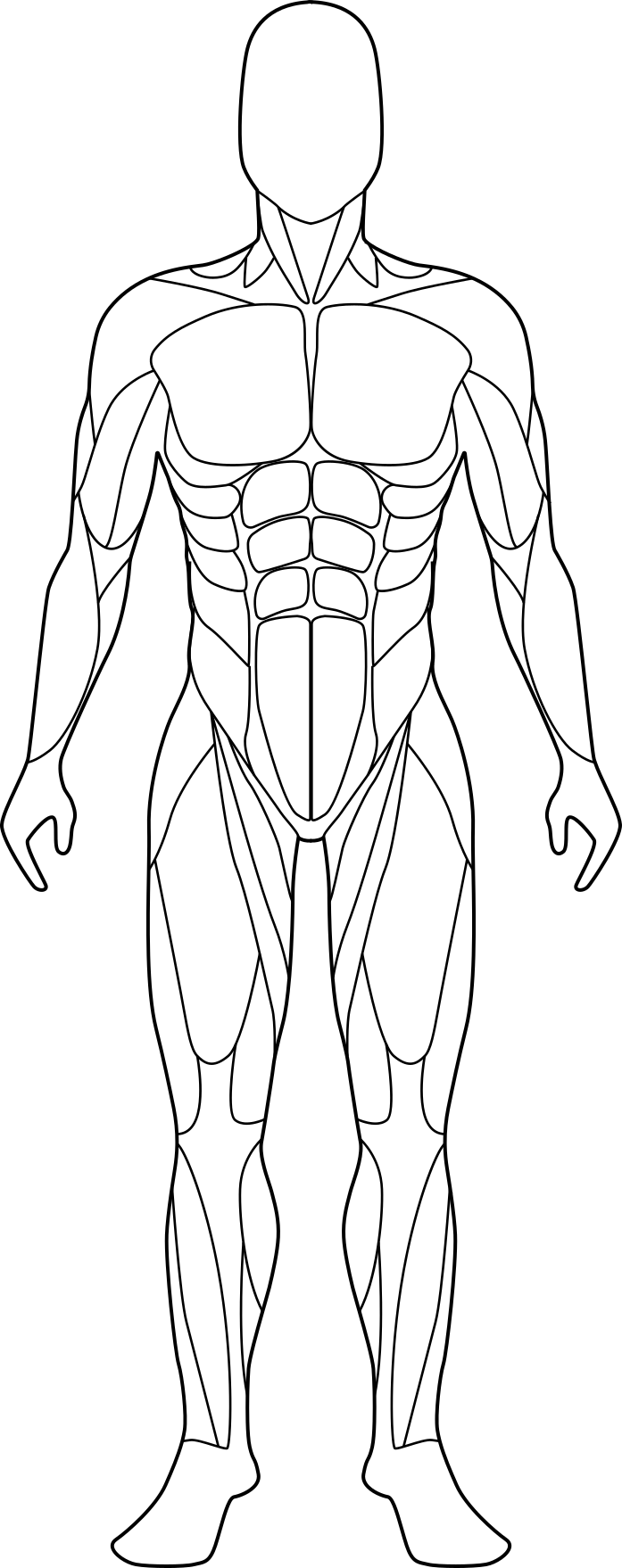
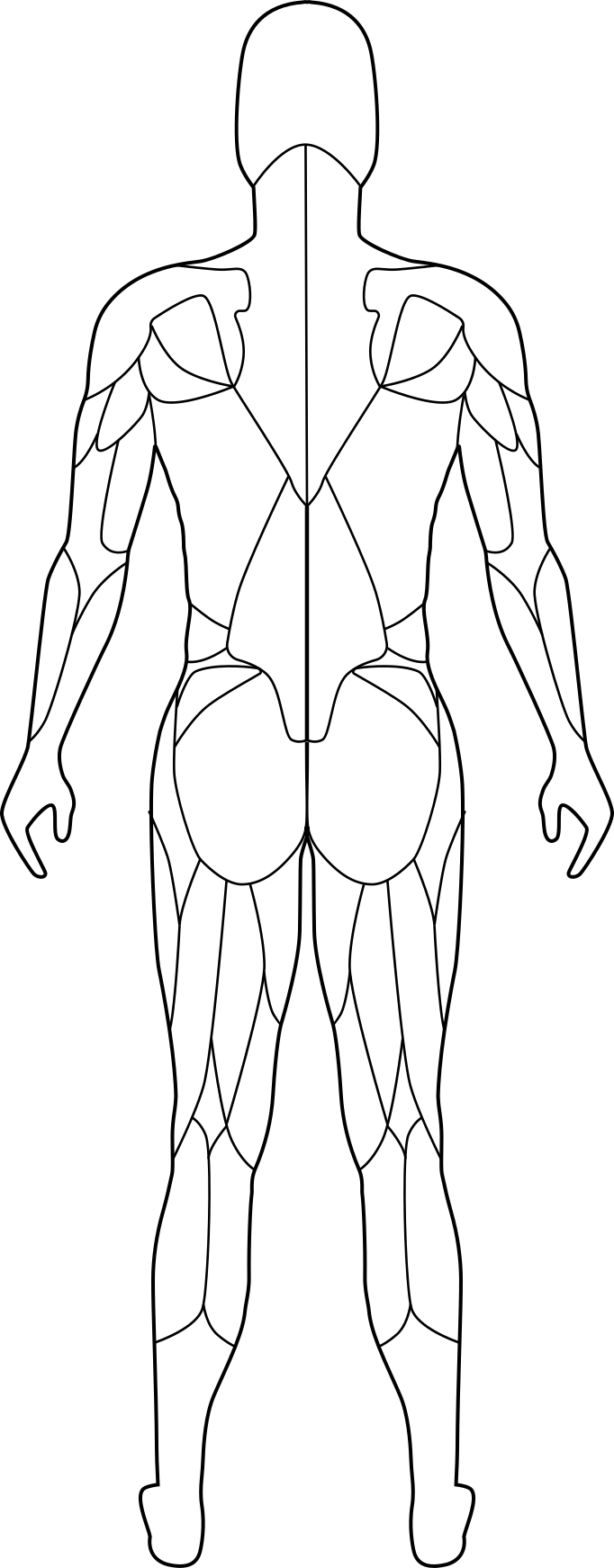
The Dumbbell Row mainly works your lats, with your biceps, traps and rhomboids helping.


Setting up
- Stand beside a flat bench with a dumbbell on the floor next to it. Place your left hand and left knee on the bench, with your hand under your shoulder and your knee under your hip.
- Keep your right foot flat on the floor, out to the side, in a stable stance. Your back should be flat and roughly parallel to the floor, with your head in line with your spine.
- Pick up the dumbbell with your right hand, palm facing the bench. Let your arm hang straight down so the weight sits directly below your shoulder.
How to do the Dumbbell Row
- Start with your arm fully extended and the dumbbell hanging still. Let your shoulder blade stretch slightly forward and down so you feel your lat lengthen.
- Brace your trunk as if you were about to be nudged, and keep your back flat.
- Start the pull by drawing your shoulder blade back and down, then drive your elbow up and back towards the ceiling.
- Keep your elbow close to your body and row the dumbbell towards your hip rather than your chest.
- Pause at the top for a moment and squeeze your lat, with your upper arm just past the line of your back.
- Lower the dumbbell under control until your arm is fully straight again, then repeat. Finish all reps on one side before swapping.
Form tips
- Think of pulling your elbow to your back pocket rather than lifting the dumbbell with your hand. This keeps the work in your lat and away from your biceps.
- Keep your shoulders square to the floor. A small amount of natural rotation is fine, but your chest should not twist up towards the ceiling.
- Let the dumbbell travel in a slight arc, down below your shoulder and up towards your hip, rather than straight up and down.
- Lower the weight for about two seconds on every rep. A controlled lowering and a full stretch at the bottom make each rep count.
- Choose a weight you can pull with a steady pace and a one-second squeeze at the top. If you need to swing to lift it, go lighter.
Common mistakes
Twisting the body to lift the weight
Keep your hips and shoulders square to the floor and your back flat. If you have to rotate to get the dumbbell up, it's too heavy, so reduce the weight.
Rounding or bobbing the back
Brace your trunk before each rep and keep your head in line with your spine. Your back should stay in the same flat position from the first rep to the last.
Shrugging and jerking the weight up
Start every rep by pulling your shoulder blade down and back, not up towards your ear. Use a steady pace and avoid swinging the dumbbell from the bottom.
Flaring the elbow out and pulling to the chest
Keep your elbow tucked close to your body and row towards your hip. This line of pull puts the focus on your lat.
Sets and reps
| Build strength | 4-5 sets of 5-8 reps per arm with a heavy weight, resting 2-3 minutes between sets. |
|---|---|
| Build muscle | 3-4 sets of 8-12 reps per arm, resting 60-90 seconds, using a controlled lowering and a pause at the top. |
| Fat loss and general fitness | 2-3 sets of 12-15 reps per arm with a moderate weight, resting 45-60 seconds. Pair it with other exercises in a circuit if you like. |
Pick a weight where the last rep or two of each set is hard but your form stays clean. When every set feels easy, it's time to go up.
Dumbbell Row alternatives
Machine taken, or want some variety? These work the same main muscles.
Dumbbell Row FAQs
What muscles does the dumbbell row work?
The main muscles worked are the lats. Your biceps, traps and rhomboids also work to pull the weight up and hold your shoulder blade in position.
How heavy should I go on the dumbbell row?
Pick a weight where you can complete all your reps with a flat back, no twisting and a pause at the top. Beginners often start with 8-12 kg and build up gradually. The last two reps of a set should feel hard but still look like the first.
Why do I feel the dumbbell row in my biceps and not my back?
This usually means you are pulling with your hand and bending your arm first. Start each rep by drawing your shoulder blade back and down, then think of driving your elbow towards your hip. A slightly lighter weight and a one-second squeeze at the top will help you feel your lats.
Track your Dumbbell Row progress
GymTracker builds your plan, pre-fills the weight from last time and tells you when to go up. Free.
Start free