
Barbell Row
The barbell row is a compound pulling exercise where you hinge forward and row a loaded bar into your lower ribcage. It builds the lats and the muscles between your shoulder blades, and it works your grip too. It suits beginners who have practised the hip hinge with a light bar, as well as experienced lifters who want a heavy back exercise.
Muscles worked
The Barbell Row mainly works your lats, with your biceps, forearms, traps and rhomboids helping.
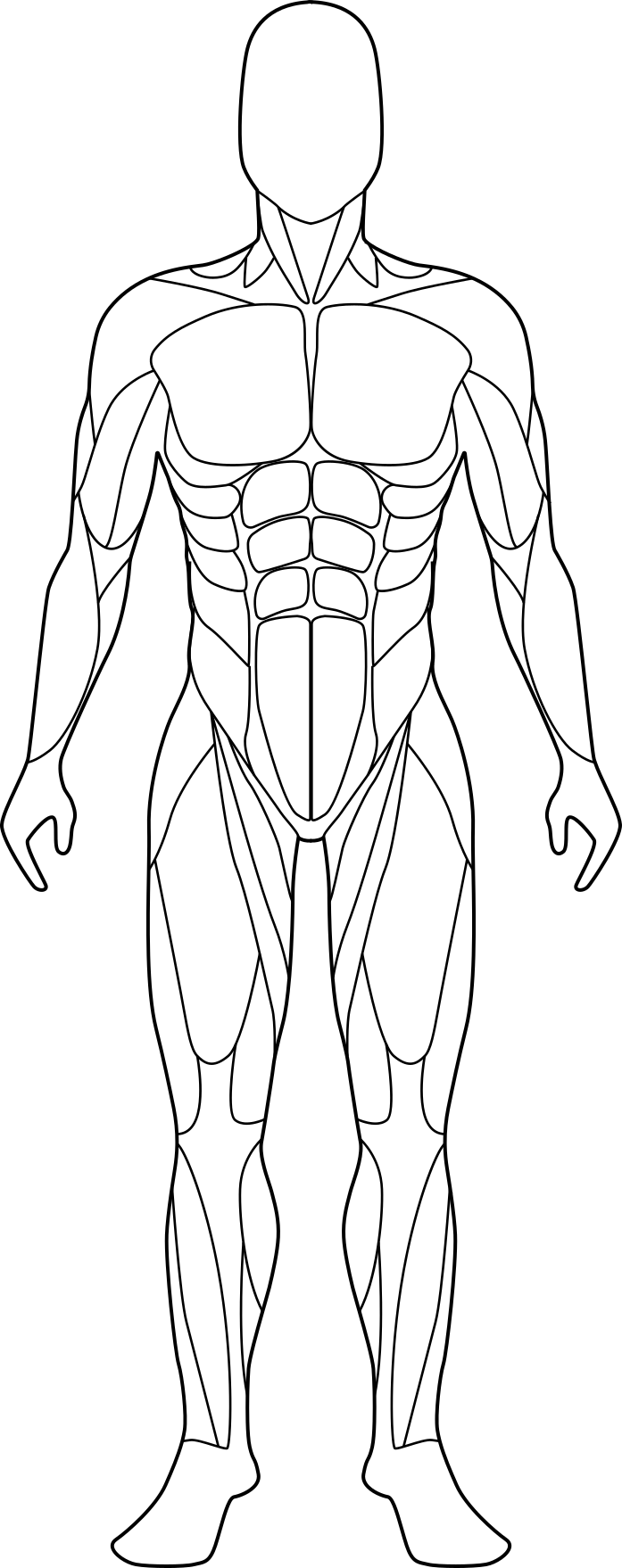

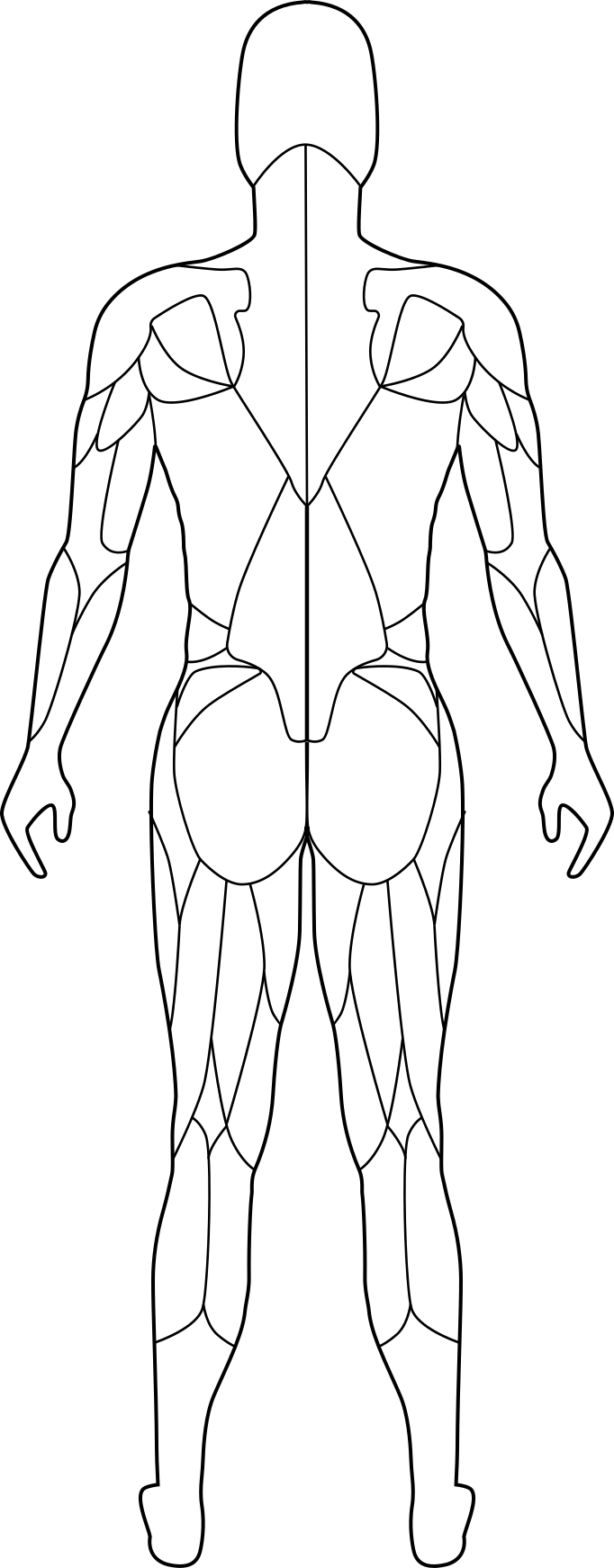

Setting up
- Load the bar with light plates and fit collars. Wear flat-soled trainers or lift in socks so your feet stay stable. Stand with the bar over the middle of your feet and your feet about hip-width apart.
- Push your hips back and fold forward until your torso is roughly 45 degrees to the floor, with a soft bend in your knees. Keep your spine long and your chest proud.
- Take an overhand grip just outside your knees, about shoulder-width. Wrap your thumbs around the bar and grip it hard.
- Stand the bar up to a hinged position, take a big breath into your belly and brace as if you were about to be nudged in the stomach. Let your arms hang straight, with your shoulder blades relaxed but not rounded.
How to do the Barbell Row
- Start with the bar hanging at arm's length below your chest, your torso still and your back flat.
- Take a breath in and brace your midsection so your torso stays locked in position.
- Start the pull by driving your elbows back and slightly towards your hips, rather than just bending your arms.
- Row the bar into your lower ribcage, just above your belly button, and squeeze your shoulder blades together for a brief pause.
- Lower the bar slowly over about two seconds until your arms are fully straight again, keeping your torso at the same angle.
- Breathe in and reset your brace at the bottom before starting the next rep.
Form tips
- Think about pulling your elbows to the ceiling behind you. This helps you feel your lats working rather than just your arms.
- Keep the bar close to you. It should brush past your thighs on the way up and drift back down in the same path.
- Pick a spot on the floor a metre or so in front of your feet and keep your eyes on it. This keeps your neck in line with your spine.
- Squeeze the bar hard, as if you were trying to bend it. A tight grip helps you feel your forearms and lats working.
- Pause for a beat at the top of every rep. If you cannot pause, the weight is too heavy.
Common mistakes
Rounding the back
Lower the weight and think about keeping your chest proud and your spine long from head to hips. Brace before each rep and stop the set if you feel your back start to round.
Using momentum and standing up
Set your torso angle before the first rep and hold it throughout. If your chest rises as you pull, reduce the weight until the movement comes from your elbows driving back.
Shrugging and pulling with the arms
Keep your shoulders down and away from your ears. Start each rep by driving your elbows back, then finish by squeezing your shoulder blades together.
Short, half-range reps
Let your arms straighten fully at the bottom and touch the bar to your lower ribcage at the top. Use less weight if you need to in order to get the full range.
Sets and reps
| Build strength | 4-5 sets of 4-6 reps with a heavy but controlled weight, resting 2-3 minutes between sets |
|---|---|
| Build muscle | 3-4 sets of 8-12 reps, resting 60-90 seconds between sets |
| Fat loss and general fitness | 2-3 sets of 12-15 reps with a lighter weight, resting 45-60 seconds, as part of a full-body workout |
Pick a weight where the last rep or two of each set is hard but your form stays clean. When every set feels easy, it's time to go up.
Barbell Row alternatives
Machine taken, or want some variety? These work the same main muscles.
Barbell Row FAQs
What muscles does the barbell row work?
The main muscles worked are the lats. Your rhomboids and traps pull your shoulder blades together, while your biceps and forearms help you pull and hold the bar.
Should I use an overhand or underhand grip for barbell rows?
Overhand is the standard grip and is a good place to start. An underhand grip lets many people pull the bar a little lower and uses the biceps more. Either is fine, so pick the one that feels strong and comfortable.
How heavy should a beginner go on the barbell row?
Start with an empty bar or very light plates and practise the hinge and the pull until it feels smooth. Add weight in small steps, such as 2.5 kg in total, only when you can finish every rep with a flat back and no jerking. If anything hurts, stop and get it checked.
Track your Barbell Row progress
GymTracker builds your plan, pre-fills the weight from last time and tells you when to go up. Free.
Start free