Inverted Row
The inverted row is a bodyweight pulling exercise where you hang under a bar or rings and row your chest up towards your hands. It builds the muscles of your upper back, mainly the lats and rhomboids, with help from your biceps and the backs of your shoulders. It suits beginners who can't do a pull-up yet, and it's easy to make harder as you get stronger.
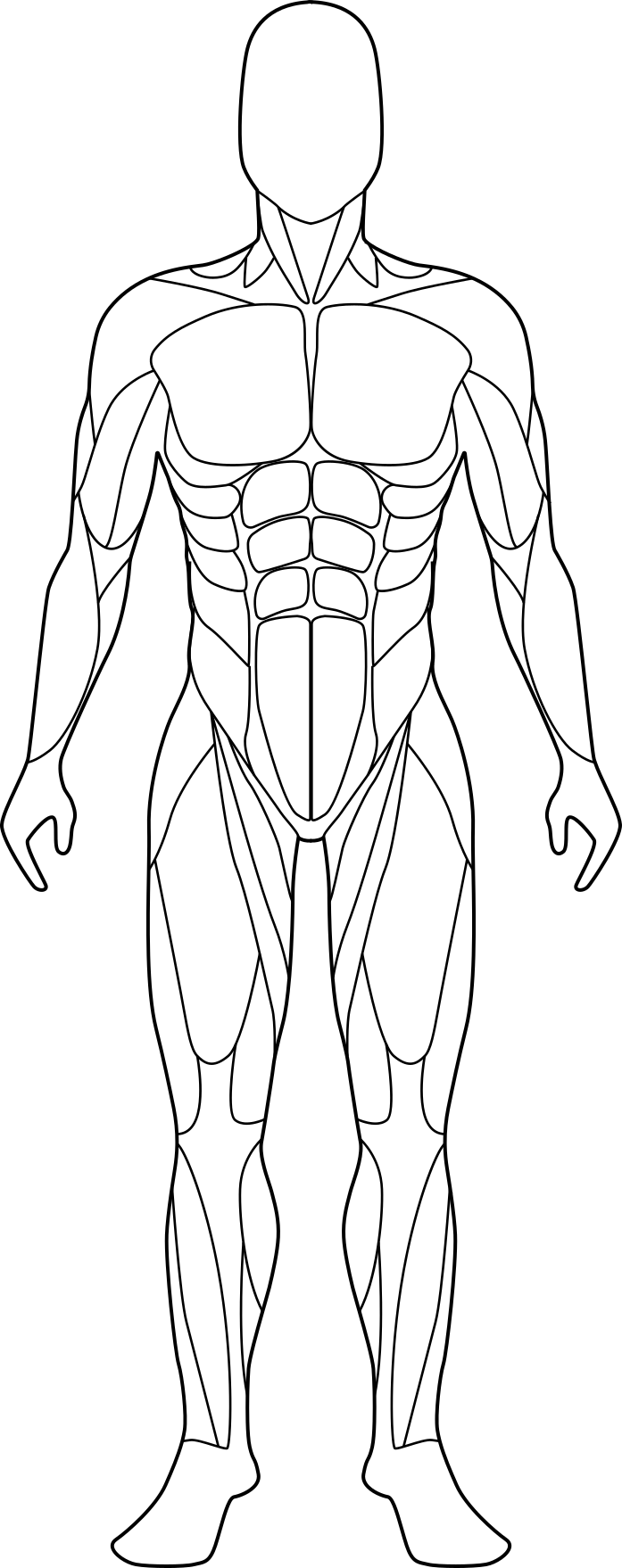
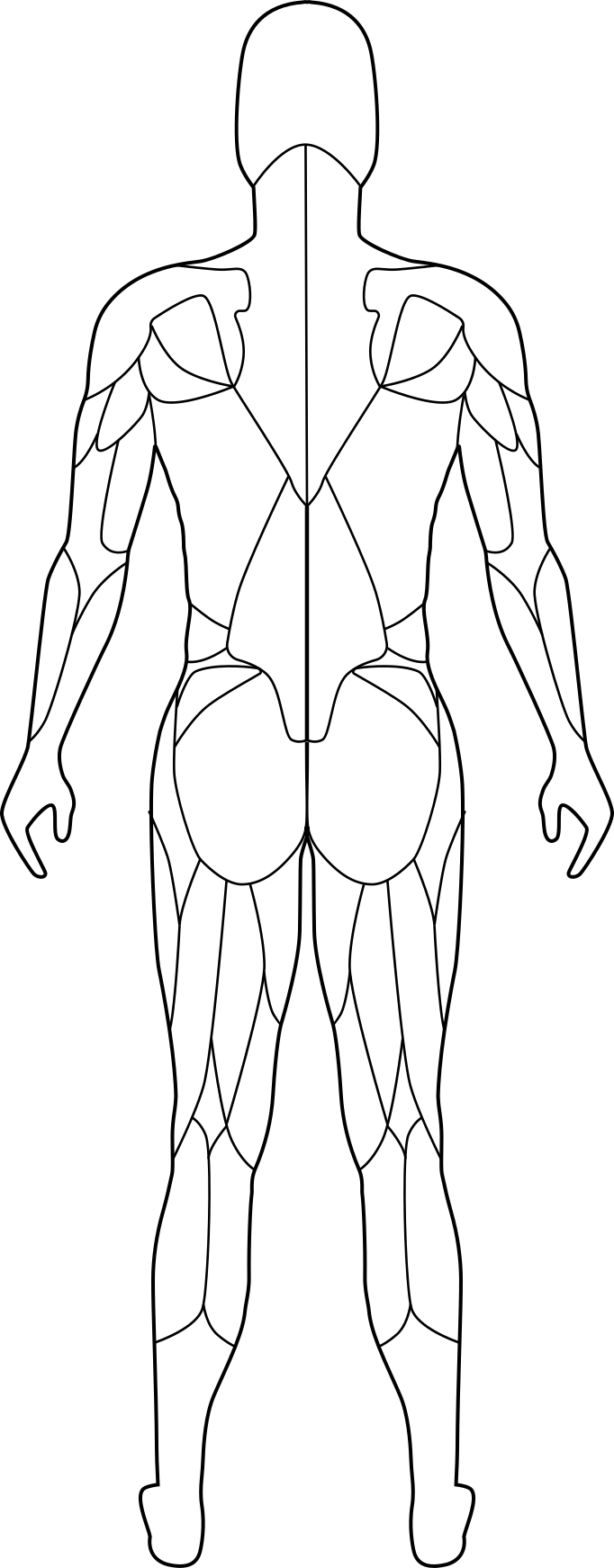
Muscles worked
The Inverted Row mainly works your lats and rhomboids, with your biceps and posterior delts helping.


Setting up
- Set a bar in a squat rack or Smith machine, or hang rings or straps, at about hip height. Check it's secure and won't slide or swing before you put your weight on it.
- Lie on the floor underneath and grip the bar just wider than shoulder width, overhand. On rings, hold them with palms facing each other.
- Walk your feet forward until your arms are straight and your body hangs at an angle, with heels on the floor and toes pulled up. The more horizontal you are, the harder it is.
- Squeeze your legs together and keep your ribs down so your body forms one straight line from head to heels.
How to do the Inverted Row
- Start in a straight-arm hang with your body in a long, stiff line, and your chest pointing at the bar.
- Begin the pull by drawing your shoulder blades back and down, as if tucking them into your back pockets.
- Bend your elbows and drive them down and back, keeping them at roughly 45 degrees from your sides, so your chest rises towards your hands.
- Keep pulling until your chest touches the bar, or gets as close as you can while keeping your body straight.
- Pause for one second at the top and squeeze your shoulder blades together.
- Lower yourself over two to three seconds until your arms are fully straight, letting your shoulder blades spread slightly at the bottom before the next rep.
Form tips
- Think about pulling your elbows to your back pockets rather than pulling your hands to your chest. This keeps the work in your back instead of your arms.
- Imagine holding a pencil between your shoulder blades at the top and squeezing it.
- Keep your ribs pulled down and your body as stiff as a plank from start to finish, so your hips rise and fall with your chest.
- Keep your neck long and look at a spot on the ceiling, not your hands.
- To make it easier, bend your knees and put your feet flat or walk them back. To make it harder, walk your feet forward, lower the bar, or put your feet on a box.
Common mistakes
Hips sagging
Your body should stay in a straight line. Tighten your stomach, squeeze your legs together and keep your ribs down. If you can't hold the line, bend your knees or stand more upright until you can.
Shrugging and poking the chin forward
Pull your shoulders away from your ears before each rep and keep your neck long. Start every pull by moving the shoulder blades back and down, then bend your elbows.
Half reps
Start every rep from fully straight arms and pull until your chest reaches the bar. If you can't do that, make the exercise easier rather than shortening the range.
Flaring the elbows and jerking up
Keep your elbows around 45 degrees from your body and pull smoothly without kicking or swinging. Lower slowly for two to three seconds so you control every rep.
Sets and reps
| Build strength | 4-5 sets of 4-6 reps using a harder variation (feet raised or bar lower), 2-3 minutes rest |
|---|---|
| Build muscle | 3-4 sets of 8-12 reps, controlled lowering, 60-90 seconds rest |
| Fat loss and general fitness | 2-3 sets of 12-15 reps with an easier variation if needed, 45-60 seconds rest, as part of a full-body session 2-3 times a week |
Pick a weight where the last rep or two of each set is hard but your form stays clean. When every set feels easy, it's time to go up.
Inverted Row alternatives
Machine taken, or want some variety? These work the same main muscles.
Inverted Row FAQs
Is an inverted row easier than a pull-up?
For most people, yes, because you're pulling only part of your bodyweight and can change the angle to suit you. That makes it a good way to build up your back and arm strength for pull-ups. A feet-elevated inverted row can get quite close to pull-up difficulty.
What muscles do inverted rows work?
The main muscles are your lats and rhomboids, which pull your arms and shoulder blades back. Your biceps and the backs of your shoulders (posterior delts) help too.
How do I make inverted rows harder?
Walk your feet further forward so your body is closer to flat, lower the bar, or raise your feet on a box. You can also slow the lowering to three seconds or pause for longer at the top. Change one thing at a time and keep your body in a straight line.
Track your Inverted Row progress
GymTracker builds your plan, pre-fills the weight from last time and tells you when to go up. Free.
Start free