
Crunches
The crunch is a simple bodyweight exercise that works your abs by curling your shoulders off the floor. It needs no equipment and is easy to learn, so it suits beginners and anyone who wants a straightforward ab exercise to add to a session. Done slowly and with control, a small movement is all you need.
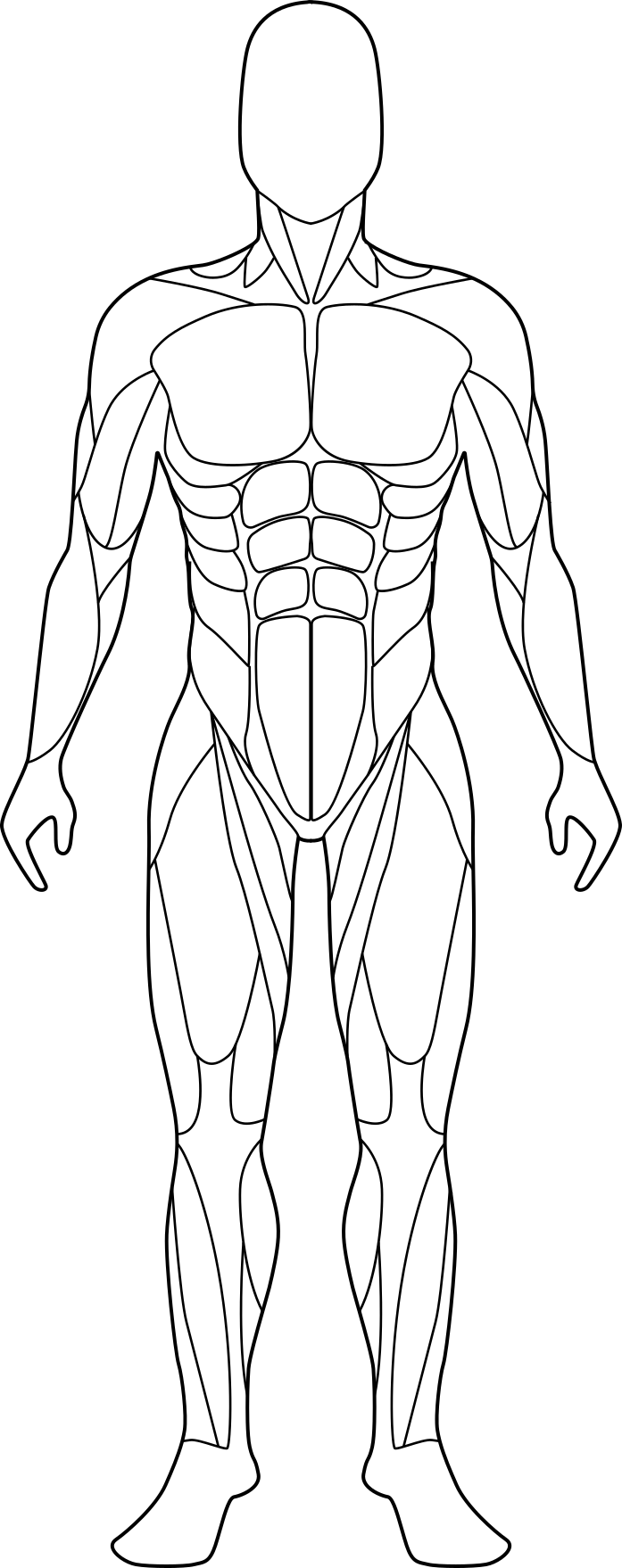
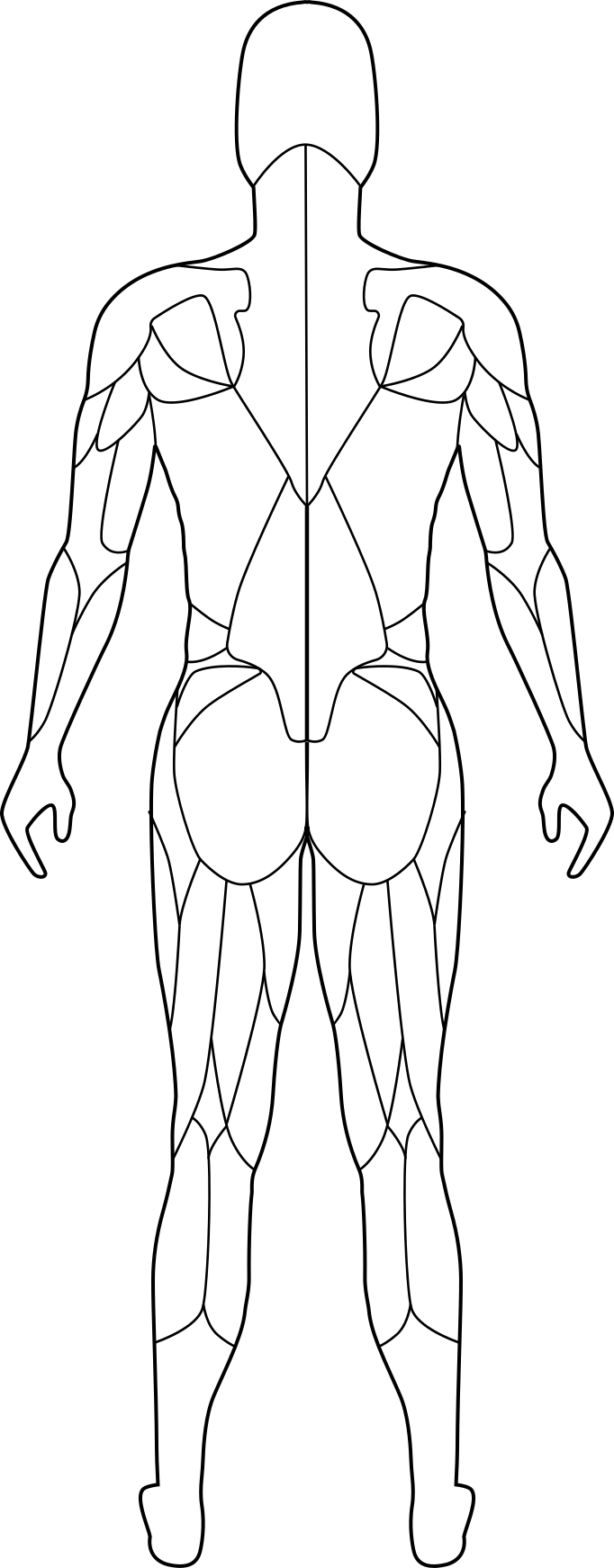
Muscles worked
The Crunches mainly works your abs.


Setting up
- Lie on your back on a mat or carpeted floor, with your knees bent and your feet flat, about hip-width apart.
- Place your hands lightly behind your head with your elbows out wide, or cross your arms over your chest if that feels easier.
- Press your lower back gently into the floor and keep your chin slightly tucked, as if holding a small ball under it.
How to do the Crunches
- Take a breath in and press your lower back into the floor by drawing your ribs down towards your hips.
- Breathe out and curl your head, then your shoulder blades, off the floor by squeezing your abs.
- Keep curling until your shoulder blades are just clear of the floor. This is usually only a few inches of movement.
- Pause for a second at the top and squeeze your abs hard.
- Breathe in and lower back down slowly over about two to three seconds, until your shoulders touch the floor.
- Keep your lower back pressed down and your feet flat throughout, then start the next rep without relaxing completely.
Form tips
- Think about bringing your ribs towards your hips rather than your head towards your knees. This keeps the work in your abs.
- Keep your elbows wide and your hands light. They are only there to support the weight of your head, not to pull on it.
- Slow the lowering phase down. Controlling the way down is where many people get the most out of each rep.
- Breathe out as you curl up and in as you lower, and squeeze your abs at the top of every rep.
- Fix your eyes on a spot on the ceiling and keep your chin still, so your head doesn't nod forward.
Common mistakes
Pulling on your head with your hands
Keep your elbows wide and your fingertips light behind your head, or cross your arms over your chest. If you feel strain from pulling, lower the reps and focus on lifting with your abs.
Using momentum
Swinging up quickly takes the work away from your abs. Slow the rep down, pause for a second at the top and lower under control.
Sitting all the way up
A crunch is a short curl, not a full sit-up. Lift only until your shoulder blades leave the floor, keeping your lower back pressed down.
Lower back arching off the floor
Before each rep, draw your ribs down towards your hips so your lower back stays pressed into the floor. If it lifts as you lower, shorten the range and slow down.
Sets and reps
| Build strength | 3 sets of 10-15 slow reps with a 2-3 second pause or squeeze at the top, resting 60-90 seconds. Once that feels easy, hold a light weight plate on your chest only if your form stays smooth, or add a longer pause. |
|---|---|
| Build muscle | 3-4 sets of 12-20 reps with a slow, controlled lowering phase, resting 60 seconds, 2-3 times a week. |
| Fat loss and general fitness | 2-3 sets of 15-20 reps as part of a full-body programme alongside cardio and strength work, resting 30-60 seconds. Crunches alone won't remove fat from your stomach. |
Pick a weight where the last rep or two of each set is hard but your form stays clean. When every set feels easy, it's time to go up.
Crunches alternatives
Machine taken, or want some variety? These work the same main muscles.
Crunches FAQs
How many crunches should I do a day?
There is no magic number. Aim for 2-4 sets of 10-20 good-quality reps, 2-3 times a week, and stop a couple of reps before your form breaks down. Quality matters more than doing hundreds.
Do crunches burn belly fat?
No. Crunches work your abs, but you can't choose where your body loses fat. Fat loss comes from your overall training, eating habits and activity levels, so use crunches as one part of a wider routine.
What is the difference between a crunch and a sit-up?
In a crunch, only your head and shoulder blades come off the floor, which keeps the focus on your abs. In a sit-up, your whole upper body lifts to sitting. Crunches are a good starting point for beginners. Stop if anything hurts and get it checked.
Track your Crunches progress
GymTracker builds your plan, pre-fills the weight from last time and tells you when to go up. Free.
Start free