
Dumbbell Clean and Press
The dumbbell clean and press takes two dumbbells from the floor to your shoulders and then overhead in one flowing movement. It builds leg and hip drive, shoulder strength and coordination, and it works well for anyone who wants an efficient full-body lift. Beginners can learn it with light dumbbells, as long as they take it slowly and practise each part first.
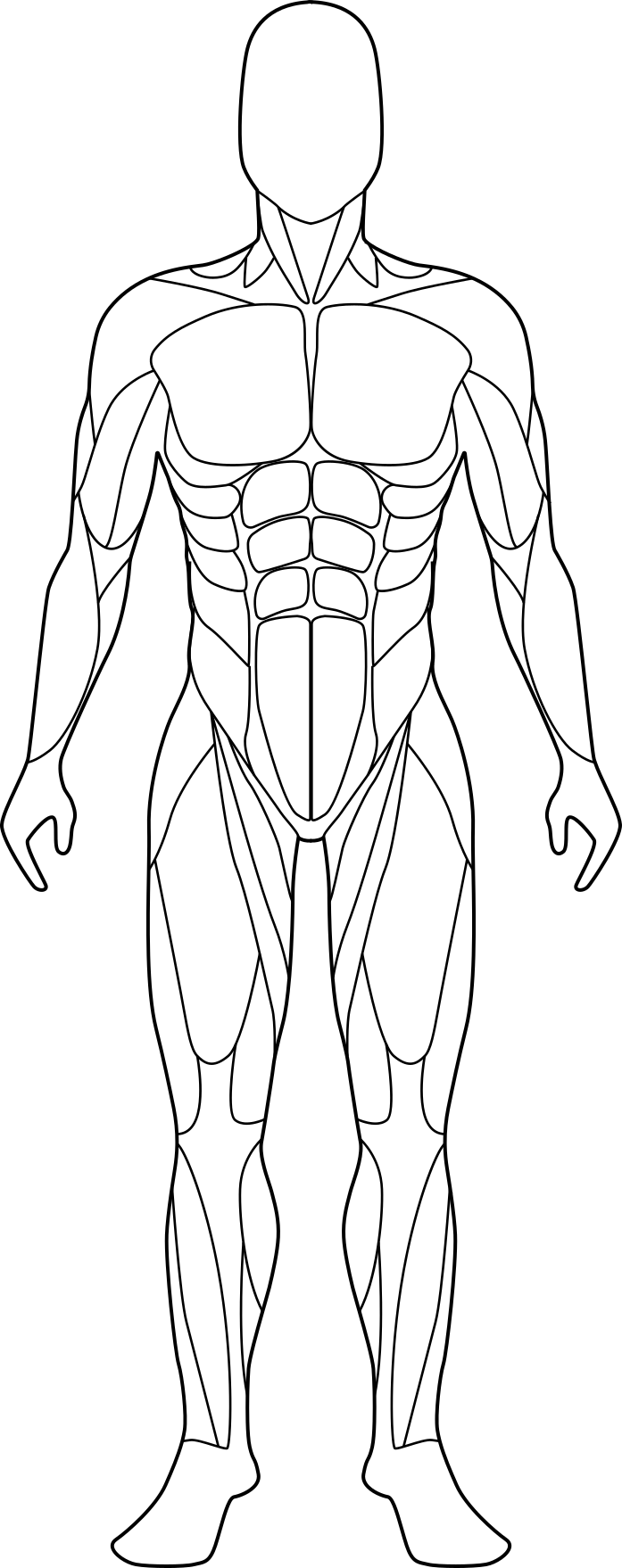
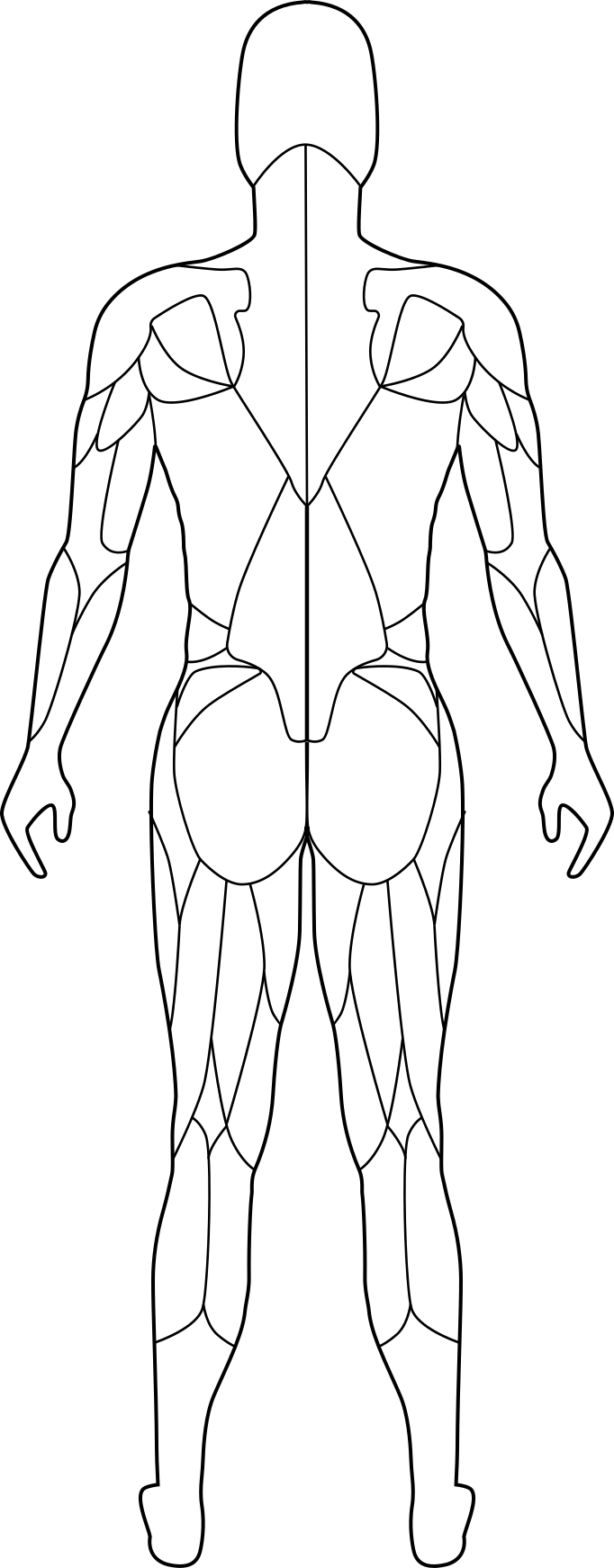
Muscles worked
The Dumbbell Clean and Press mainly works your glutes, anterior delts and lateral delts, with your triceps and quadriceps helping.


Setting up
- Place two dumbbells on the floor, parallel, just in front of your feet. Choose a light pair (often 5-10 kg each for beginners) so you can focus on technique.
- Stand with your feet about hip-width apart, in flat trainers or lifting shoes, with your weight spread through the middle of your feet.
- Hinge your hips back and bend your knees until you can reach the dumbbells with a long, neutral spine, chest proud and eyes on the floor a metre or so ahead.
- Take a firm overhand grip on the handles, arms straight, with your shoulders roughly over or just in front of the dumbbells.
How to do the Dumbbell Clean and Press
- Take a breath in and brace your stomach as if you were about to be nudged. Pull your shoulders gently down and away from your ears so you are tight before you lift.
- Push the floor away with your feet and lift the dumbbells past your knees, keeping your arms straight and the weights close to your legs.
- As the dumbbells pass your thighs, drive your hips forward and squeeze your glutes hard. Stand tall with a slight jump or rise onto your toes, and let that hip drive send the dumbbells upwards.
- Shrug your shoulders and bend your elbows, keeping them high and out to the sides. Then whip your elbows round and under the dumbbells so they land on the fronts of your shoulders.
- Catch the dumbbells on your shoulders with your knees softening slightly. Your elbows should be in front of you and your wrists straight.
- Dip a few inches at the knees, then drive up through your legs and press the dumbbells overhead until your arms are fully straight, with your biceps by your ears and your ribs down.
- Lower the dumbbells under control back to your shoulders, then to your thighs, then bend your knees and hinge to place them on the floor. Reset your position before the next rep.
Form tips
- Think of your arms as hooks. The power comes from your legs and hips, and your arms just guide the dumbbells up and round.
- Keep the dumbbells brushing close to your body on the way up. The further they drift away, the harder they are to control.
- Squeeze your glutes hard at the top of the pull, then stand tall before you start to bend your elbows.
- Let the dumbbells rest on your shoulders in the catch, rather than holding them in the air with tense arms. This makes the dip and drive into the press far smoother.
- Press the dumbbells slightly back as they go overhead, so they finish above your shoulders and ears with your ribs down, not flared.
Common mistakes
Curling the dumbbells up with your arms
Keep your arms long until your hips have fully extended. Practise the pull with a light pair and think of jumping the weights up rather than lifting them.
Rounding your spine when picking up
Sit your hips back, lift your chest and keep your spine long as you set up. If you cannot reach the dumbbells with a flat back, raise them on a low platform or use a lighter, taller pair.
Leaning back and arching to press
Squeeze your glutes and keep your ribs pulled down as you press. If you have to lean back to get the weights up, they are too heavy, so reduce the load.
Letting the dumbbells crash onto your shoulders
Bend your knees a little as the dumbbells arrive to absorb the landing. Whip your elbows round and under quickly so the weights settle gently into the front rack.
Sets and reps
| Build strength | 4-5 sets of 3-5 reps with a challenging but controlled weight, resting 2-3 minutes between sets. |
|---|---|
| Build muscle | 3-4 sets of 6-10 reps, resting 60-90 seconds. Stop each set while your technique is still crisp. |
| Fat loss and general fitness | 3 sets of 8-10 reps with a lighter weight, resting 45-60 seconds, or use it as one station in a circuit with other exercises. |
Pick a weight where the last rep or two of each set is hard but your form stays clean. When every set feels easy, it's time to go up.
Dumbbell Clean and Press alternatives
Machine taken, or want some variety? These work the same main muscles.
Dumbbell Clean and Press FAQs
Is the dumbbell clean and press good for beginners?
Yes, as long as you start light and learn it in stages. Practise the hinge and pick-up first, then the pull to the shoulders, then the press, before joining them together. A coach can help check your technique.
What weight should I use for a dumbbell clean and press?
Pick a weight that lets you move smoothly and stop each rep with good form. Many beginners start with 5-10 kg in each hand. Increase the weight in small steps only when your reps feel controlled and you are not leaning back to press.
What is the difference between a dumbbell clean and press and a thruster?
In a clean and press, you pick the dumbbells up from the floor each rep and finish with a straight-legged press. A thruster starts with the dumbbells on your shoulders, and you squat down and then stand up into the press in one movement. The clean and press involves more hip drive, while the thruster involves more squatting.
Track your Dumbbell Clean and Press progress
GymTracker builds your plan, pre-fills the weight from last time and tells you when to go up. Free.
Start free