
Treadmill Incline Walk
The treadmill incline walk is brisk walking on a raised belt, which makes your legs work harder than on the flat without the pounding of running. It works mainly your quadriceps and glutes, with help from your hamstrings and calves, and builds leg endurance as well as fitness. It suits beginners, anyone who prefers low-impact cardio, and anyone after a simple warm-up or a standalone session.
Muscles worked
The Treadmill Incline Walk mainly works your quadriceps and glutes, with your hamstrings and calves helping.
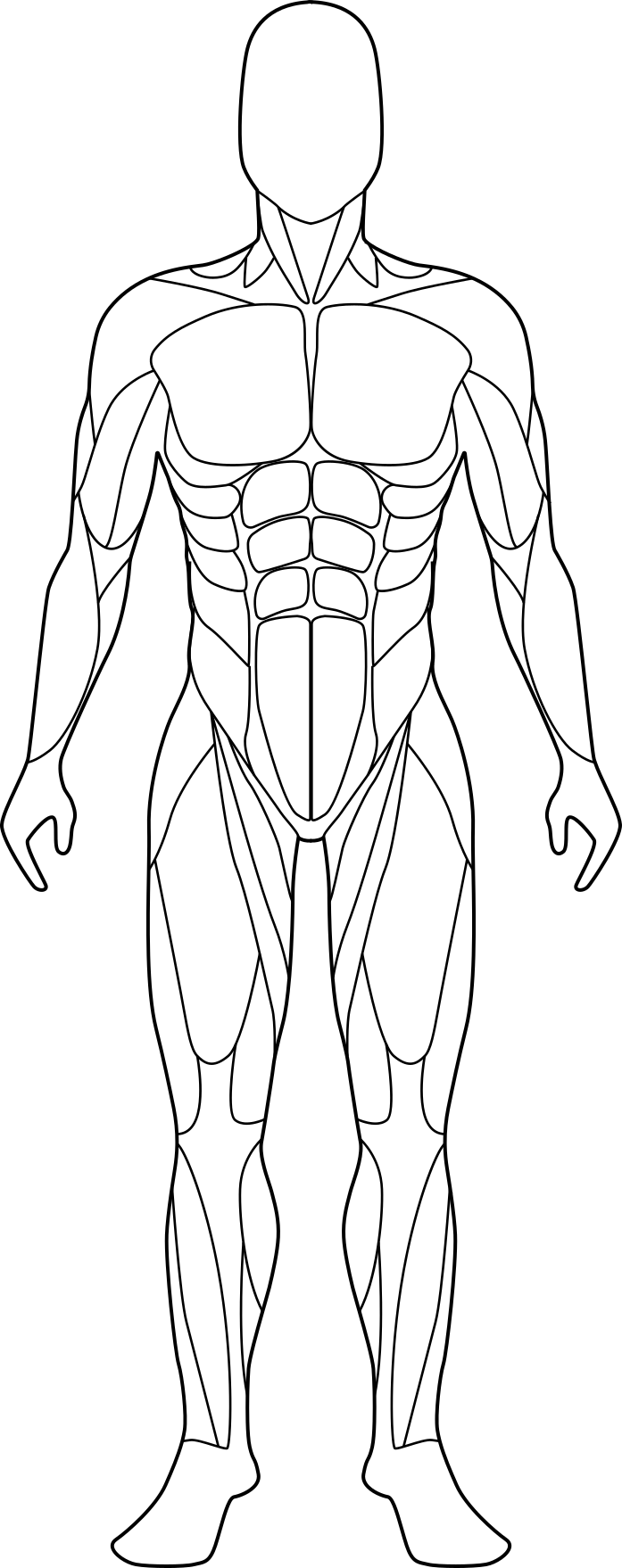

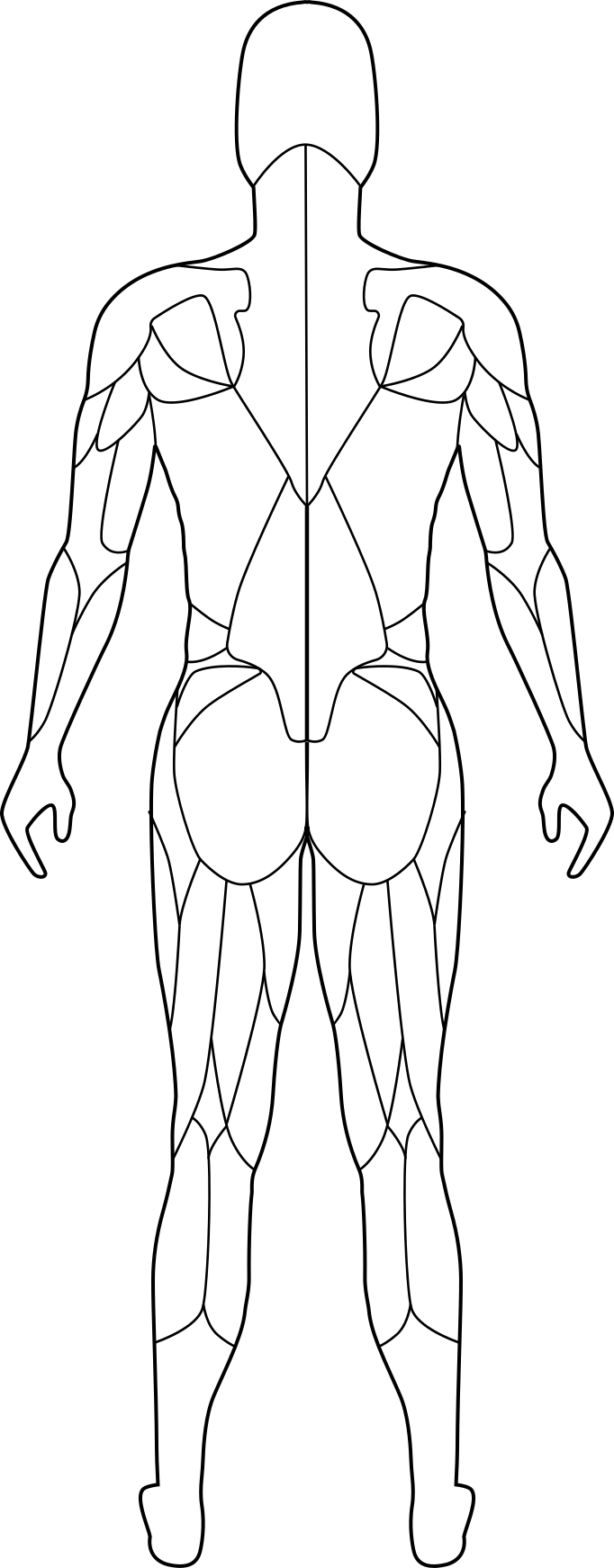

Setting up
- Clip the safety key to your clothing, start the belt at a slow walking speed of around 3 to 4 km/h, and step on with a hand on the rails.
- Wear supportive trainers with the laces snug, so your heel stays put as the belt tilts you forward.
- Raise the incline gradually to a level you can manage with good posture. 3 to 5% is a sensible start for most beginners.
- Stand tall in the middle of the belt, eyes on the horizon or the screen, with your arms relaxed at your sides.
How to do the Treadmill Incline Walk
- Start at a gentle pace and incline for 3 to 5 minutes so your legs and breathing can settle in.
- Increase the speed to a brisk walk, usually 4.5 to 6 km/h, and raise the incline in small steps until your legs are working but you can still hold your posture.
- Plant your whole foot on the belt, heel first, then roll through to push off the ball of your foot.
- Feel your glutes and quads drive you up the slope with each step, and keep your stride fairly short so your foot lands under your body rather than out in front.
- Swing your arms naturally, bent at the elbows and moving front to back, with your hands off the rails.
- Hold your chosen pace and incline for the planned time, checking your effort with the talk test: you should be able to speak in short sentences.
- Finish by lowering the incline and speed gradually, and walk easily for 2 to 3 minutes before you stop the belt.
Form tips
- Stay tall with a slight lean from the ankles, so your whole body tilts as one line. Don't fold forward at the waist.
- Press through your whole foot on each step and think about pushing the belt back beneath you. This is where you feel your glutes working.
- Keep your steps short and quick on steeper inclines. Long strides make your quads and calves work harder than they need to and can feel awkward.
- Let go of the rails once you're settled. If you need one for balance, use a light fingertip touch rather than gripping.
- Build up by raising the incline a little first, then the speed, rather than jumping both at once.
Common mistakes
Holding the handrails and leaning back
This takes weight off your legs and cuts the work your quads and glutes do. Lower the incline or speed until you can walk with your arms swinging freely. Use the rails only to steady yourself briefly.
Setting the incline too steep
If you're hunched forward, gripping on or shuffling, the incline is too high. Drop it by a few percent until you can walk tall with a natural stride.
Overstriding
Reaching your foot out in front makes you land on your heel and brake with each step. Shorten your stride so your foot lands roughly beneath you, and push back through the whole foot.
Walking on your toes
Staying up on the balls of your feet overloads your calves and tires them quickly. Let your heel touch down each step and roll through the foot.
How long and how hard
| Fat loss | 20-40 minutes at a steady, moderate effort, such as 5-6 km/h at a 6-10% incline, where you can talk in short sentences. Aim for 2-4 sessions a week alongside your other training. |
|---|---|
| General fitness | 15-30 minutes at 4.5-5.5 km/h and a 4-8% incline, at a steady effort that leaves you breathing harder but in control. Add a few minutes or a little incline each week. |
| Warm-up | 5-10 minutes at an easy to moderate effort, about 4-5 km/h and a 3-5% incline. You should finish feeling warm, not tired. |
Treadmill Incline Walk alternatives
Machine taken, or want some variety? These work the same main muscles.
Treadmill Incline Walk FAQs
What incline and speed should I use for incline walking?
Beginners can start at around 3-5% incline and 4-5 km/h, then build up gradually. Choose a setting where you can keep an upright posture and speak in short sentences. If you have to hold the rails to keep going, it's too hard.
Should I hold the handrails when walking on an incline?
Try not to. Holding on and leaning back reduces the work your legs do and can alter your posture. Use the rails to steady yourself when you start or if you lose balance, then let your arms swing naturally.
Does incline walking work the glutes?
Yes. Walking uphill asks your glutes and quads to work harder to lift your body with every step, and your hamstrings and calves assist. You'll notice it most when you push through the whole foot and keep a steady, upright posture.
Track your Treadmill Incline Walk progress
GymTracker builds your plan, pre-fills the weight from last time and tells you when to go up. Free.
Start free