
Jacobs Ladder
The Jacobs Ladder is a self-paced climbing machine with a steep, angled set of rungs that move as you climb. It works your quads and glutes hard and gives your whole body a conditioning session. It suits beginners who start with short, easy spells, and experienced gym-goers who want a tough, low-impact interval option.
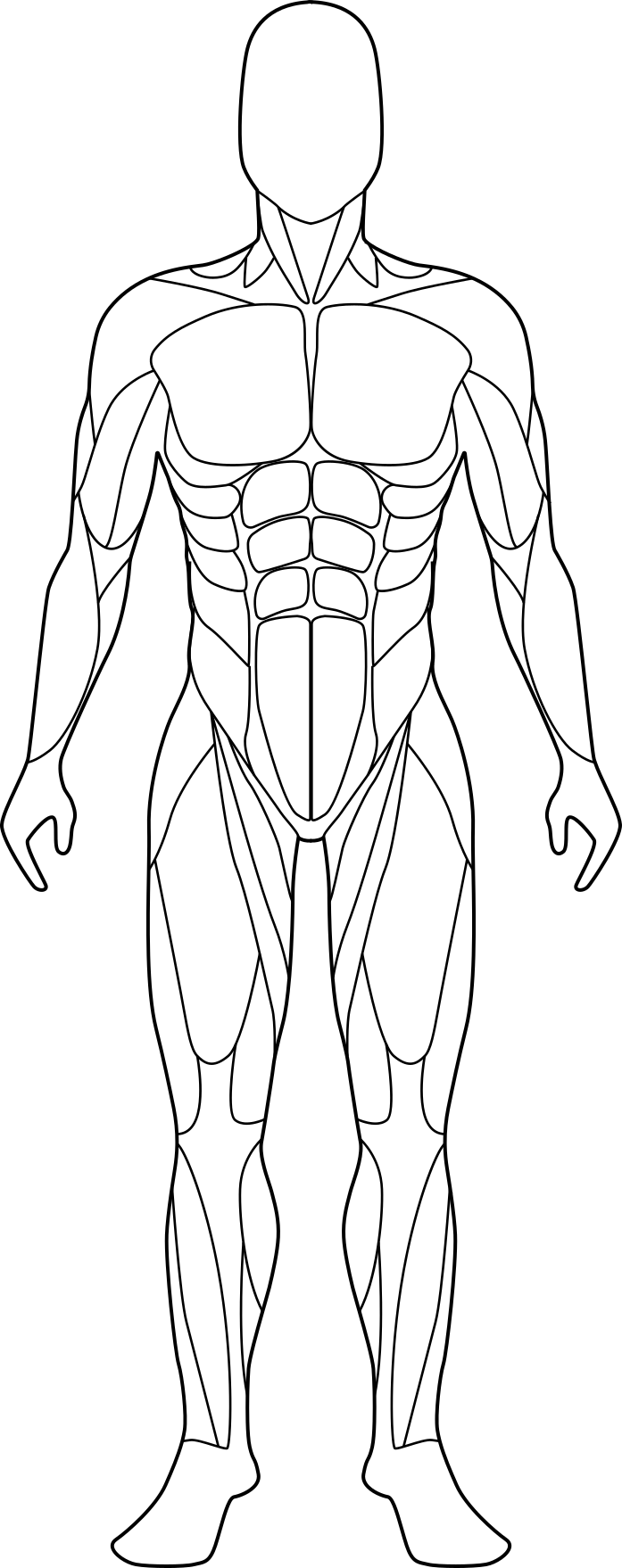
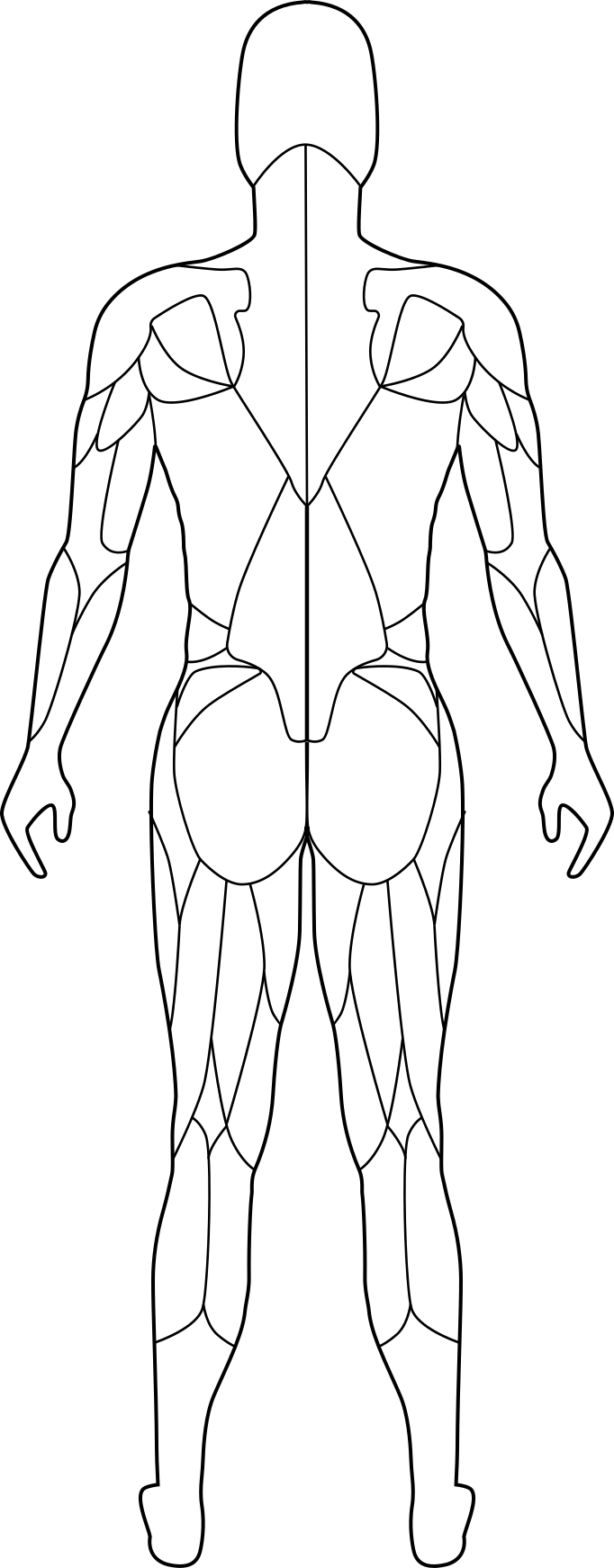
Muscles worked
The Jacobs Ladder mainly works your quadriceps and glutes, with your hamstrings, calves and anterior delts helping.


Setting up
- Wear flat, grippy trainers with the laces tied firmly. Check the rungs are clear, then step on at the bottom and take hold of the side rails.
- Place your whole foot on a rung, not just your toes. Your hands should rest on the rails at about chest height.
- Stand tall with your hips under you, then lean slightly forward into the ladder. Your weight should sit over the middle of your feet.
- Take a moment to read the display so you know where to check your time and speed, then start with a few slow steps.
How to do the Jacobs Ladder
- Step up with one foot, press through the whole foot and stand up onto that leg. The ladder will start to move beneath you.
- Bring the other foot onto the next rung and drive up through that leg, so you alternate left and right in a steady climb.
- Keep a slight forward lean from your ankles, not by bending at the waist, and hold your trunk braced so your body stays in one line.
- Let your hands move with the rails in rhythm with your legs. Use them for balance and a light swing, not to pull yourself up.
- Settle into a pace you can hold. Breathe in and out in a steady pattern, and look ahead rather than down at your feet.
- When your time is up, slow your steps gradually until the ladder stops, then step off carefully holding the rails.
Form tips
- Drive through the middle of your foot and think about pushing the rung down and behind you. You should feel your quads and glutes doing the work.
- Squeeze your glutes as each leg straightens to keep your climbing strong and stable.
- Keep your steps small and quick rather than reaching for big strides. It is easier to control and keeps the rhythm smooth.
- Keep your grip light. If your knuckles are white, you are holding on too hard and relying on your hands.
- The ladder is self-paced, so you set the effort. Slow down if your form falls apart, and speed up gradually as you get used to it.
Common mistakes
Standing too upright or leaning back
Lean slightly forward into the ladder with your chest over your hips, so your weight sits over your feet. If you lean back, you will feel unstable and your legs will have to work harder to keep you on.
Hanging off the rails
Hold the rails lightly and let your legs carry your bodyweight. If you cannot let go a little, slow the pace right down until your legs can do the work.
Climbing on your toes
Plant the whole foot on each rung and press through the middle of it. Staying on your toes tires your calves quickly and cuts down the work your glutes and quads can do.
Starting too fast
Begin with a slow, steady climb for the first minute, then build up. The machine responds to your effort, so going out hard early often ends the session sooner than you planned.
How long and how hard
| Fat loss | Aim for 10-20 minutes at a steady, hard-but-sustainable effort, or try intervals of 30 seconds harder climbing with 60-90 seconds easy, repeated 6-10 times. Do this 2-3 times a week alongside your other training. |
|---|---|
| General fitness | Aim for 8-15 minutes at a moderate pace where you can still speak in short sentences. Build up gradually by adding a minute or two each week, 2-3 times a week. |
| Warm-up | Use 3-5 minutes at an easy, comfortable pace to raise your body temperature and loosen your hips and legs before lifting. It should feel light, and you should finish feeling ready to train, not tired. |
Jacobs Ladder alternatives
Machine taken, or want some variety? These work the same main muscles.
Jacobs Ladder FAQs
Is the Jacobs Ladder good for beginners?
Yes, as long as you start gently. Try 2-3 minutes at an easy pace, rest, then repeat once or twice. The machine only moves when you do, so you control the effort.
How long should I use the Jacobs Ladder for?
Most beginners do well with 5-10 minutes in total, split into short blocks if needed. More experienced people may do 10-20 minutes, either steady or as intervals. Stop and rest whenever your form slips.
Why is the Jacobs Ladder so hard?
It is steep, so each step lifts your bodyweight upwards, and your legs and arms are working together. That makes it feel tougher than walking on a flat treadmill. Lower your pace and take short breaks while you build up; stop if anything hurts and get it checked.
Track your Jacobs Ladder progress
GymTracker builds your plan, pre-fills the weight from last time and tells you when to go up. Free.
Start free