
Outdoor walk
An outdoor walk is steady, low-impact cardio that needs no equipment beyond a decent pair of trainers. It works the quadriceps, glutes and calves, with your lower back helping to keep you upright. It suits complete beginners, people returning to exercise, and anyone who wants an easy way to build fitness or add daily activity.
Muscles worked
The Outdoor walk mainly works your quadriceps, glutes and calves, with your lower back helping.
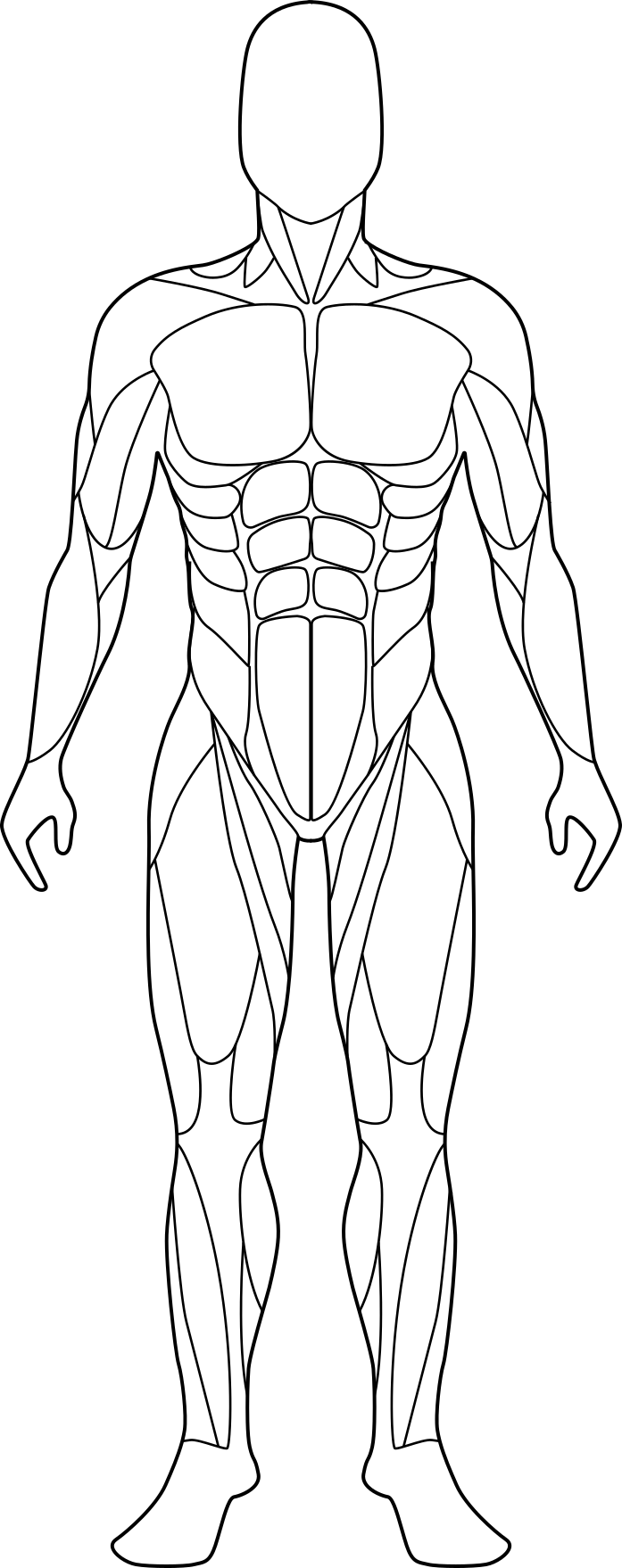

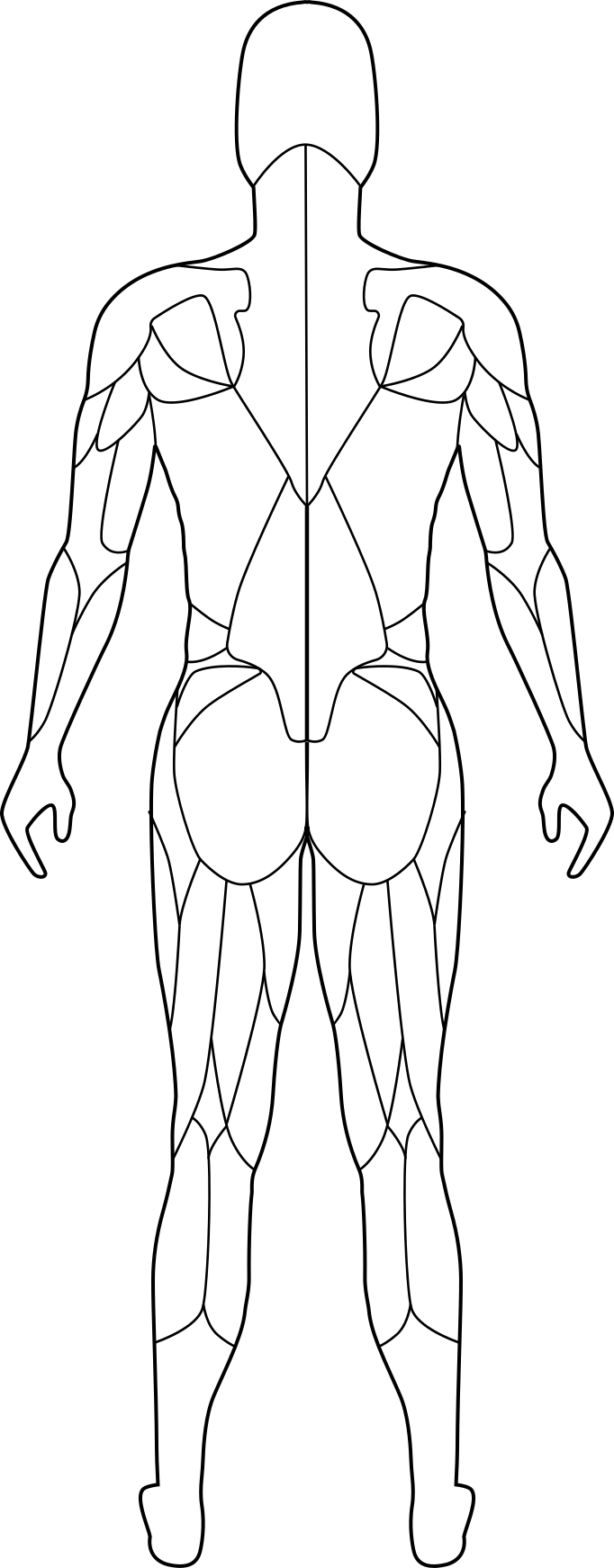

Setting up
- Wear supportive, comfortable trainers with enough room for your toes, and clothing that suits the weather.
- Pick a route you can walk at a steady pace without constant stops. Pavements, parks and flat paths are best to begin with.
- Start by standing tall with your feet hip-width apart, shoulders relaxed and eyes looking ahead.
- Take a few deep breaths and loosen your arms before you set off.
How to do the Outdoor walk
- Stand tall with your chest open, head level and eyes looking about 10 to 20 metres ahead rather than down at your feet.
- Lightly tighten your stomach, as if you were zipping up a snug pair of jeans, so your lower back stays long rather than arched.
- Step forward and land on your heel with your foot ahead of you, then roll smoothly through to your toes.
- Push off the ground through the ball of your back foot, feeling your calf and glute do the work as you move forward.
- Swing your arms naturally, with elbows bent at roughly 90 degrees, opposite arm to opposite leg.
- Build up to a pace where you can talk in short sentences but feel slightly warm and breathing a little harder than normal.
- Finish with 3 to 5 minutes at an easy pace to let your breathing and heart rate settle.
Form tips
- Think about taking quicker steps rather than longer ones. Overstriding makes you land heavily on your heel and puts extra load on your legs.
- Squeeze your glutes gently as your back foot pushes off to feel your hips drive you forward.
- Keep your shoulders back and down, away from your ears, and let your arms swing freely without clenching your fists.
- Use the talk test to judge effort: you should be able to speak but not sing.
- Start with a distance or time you know you can finish comfortably, then add a few minutes each week.
Common mistakes
Looking down at your feet
Lift your gaze to the path ahead. Your head is heavy, and dropping it rounds your upper back and tires your neck and lower back.
Overstriding
Shorten your step so your front foot lands closer to beneath your body. Aim for a quicker, lighter rhythm.
Leaning back or hunching forward
Stand tall with a light brace through your stomach. A very slight lean from the ankles is fine, but your back should stay straight.
Going too easy or too hard all the time
Aim for a pace that feels brisk but still lets you talk. Save faster efforts for planned intervals once you are comfortable.
How long and how hard
| Fat loss | 30-60 minutes at a brisk pace (breathing harder but able to talk), 4-6 days per week, alongside a balanced diet and some strength training. |
|---|---|
| General fitness | 20-40 minutes at a steady, moderate pace, 3-5 days per week. Add 5 minutes a week, or include a few hills, as it gets easier. |
| Warm-up | 5-10 minutes at an easy to moderate pace before a workout, building gradually until you feel warm. |
Outdoor walk alternatives
Machine taken, or want some variety? These work the same main muscles.
Outdoor walk FAQs
How long should I walk each day?
A good starting point is 20 to 30 minutes at a comfortable pace. If you are new to exercise, begin with whatever you can manage and add a few minutes each week. Spreading walking across shorter sessions in the day is fine too.
Is walking good for fat loss?
Walking burns energy and is easy to do often, so it can be a useful part of a fat loss plan. Results depend on your overall diet, activity and consistency. Combining it with strength training and a sensible eating pattern works best.
What is a good walking pace?
A brisk walk is one where your breathing is heavier but you can still hold a conversation. For many people this is around 3 to 4 miles per hour, but it varies, so go by effort rather than speed. If it hurts, stop and get it checked.
Track your Outdoor walk progress
GymTracker builds your plan, pre-fills the weight from last time and tells you when to go up. Free.
Start free