
Stationary Bike
The stationary bike is a low-impact cardio machine where you pedal against adjustable resistance, mainly working your quadriceps, with help from your hamstrings and calves. It is easy to learn, simple to adjust for your size and fitness, and suits complete beginners, people building up their general fitness, and anyone who wants a steady warm-up or cooldown.
Muscles worked
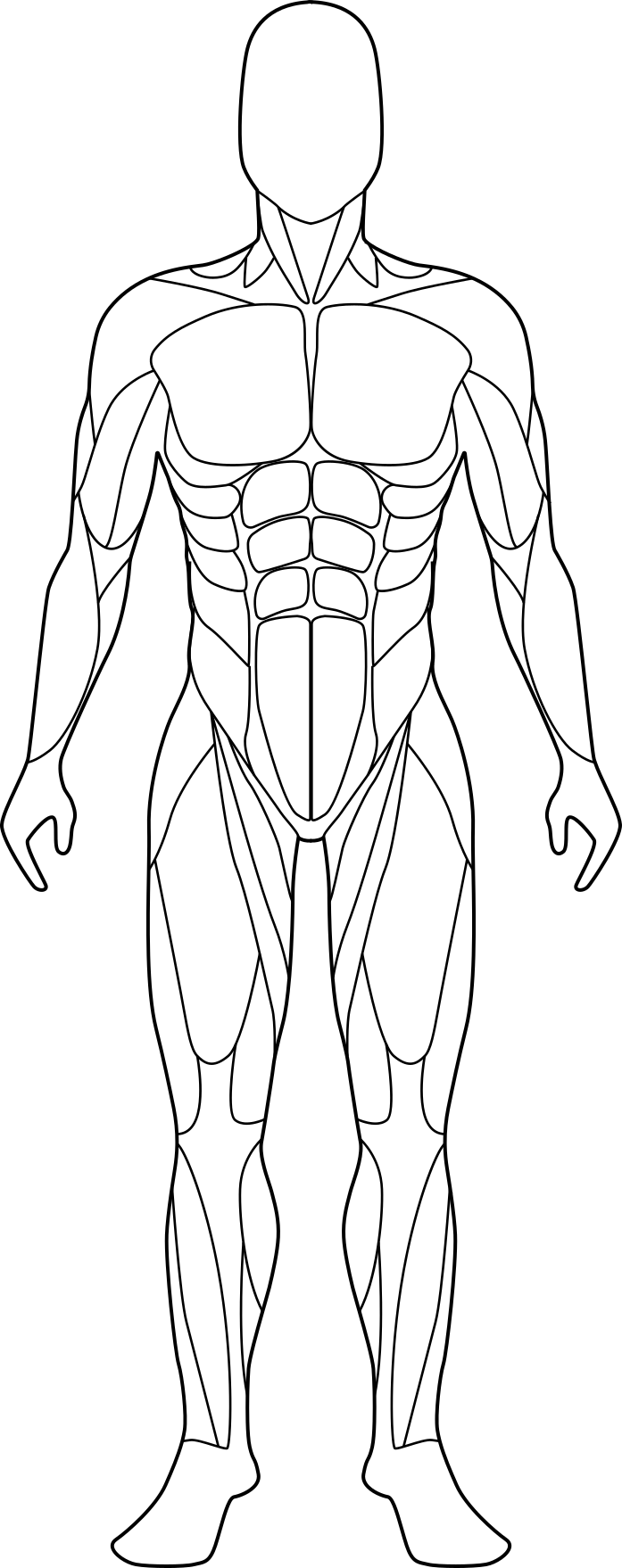
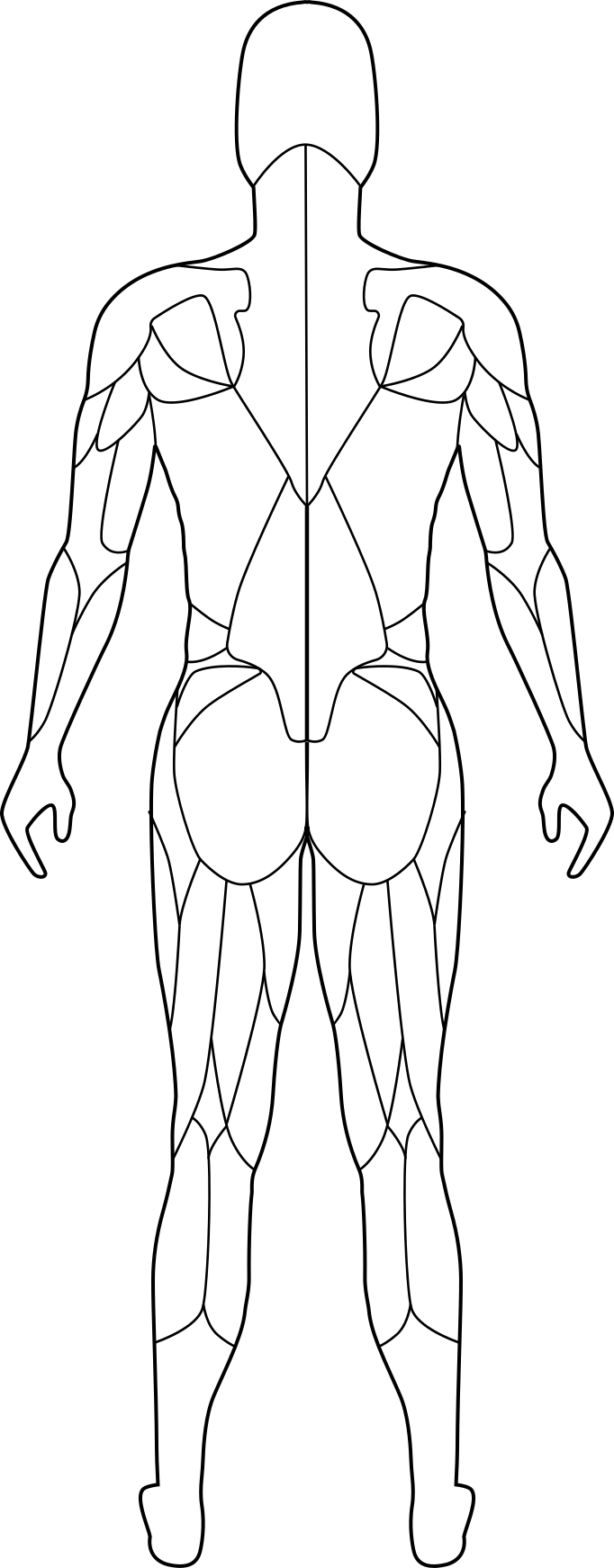
The Stationary Bike mainly works your quadriceps, with your hamstrings and calves helping.


Setting up
- Set the seat so that, with the ball of your foot on the pedal at its lowest point, your knee has a slight bend. A quick check: with your heel on the pedal at the bottom, your leg should be almost straight.
- Stand next to the bike and check the seat is roughly level with your hip bone. It is a good starting point before you fine-tune it.
- Place the ball of each foot over the middle of the pedal, and tighten the straps if there are any, so your foot does not slide around.
- Set the handlebars at a height where you can sit tall and reach them with a soft bend in your arms. Start the resistance low so the pedals turn smoothly.
How to do the Stationary Bike
- Sit on the saddle with both hands lightly on the handlebars and your feet on the pedals, then check the display is on and set to manual or your chosen programme.
- Start pedalling slowly for the first couple of minutes at a very light resistance, so your legs warm up and the movement feels smooth.
- Push down through the ball of your foot on each pedal stroke, feeling the front of your thigh do most of the work, then let the pedal come back up without it feeling like a struggle.
- Gradually increase the resistance or your speed until you reach your target effort, where you are breathing heavily but can still say a short sentence.
- Keep your pace steady, aiming for a smooth circular motion, with your hips staying still on the saddle rather than rocking side to side.
- Hold your target effort for the planned time, drinking water when you need to.
- Finish by reducing the resistance and pedalling gently for 2-3 minutes until your breathing settles, then step off carefully.
Form tips
- Think about pushing the pedal forward and down, then letting it come around, rather than stamping on it. This keeps the movement smooth.
- Keep your knees tracking in line with your toes, not drifting in towards the frame or out to the sides.
- Aim for a pace where your legs turn quickly but under control. If you are grinding slowly against heavy resistance, drop the resistance a little.
- Sit tall with a relaxed grip on the handlebars. If your hands feel tense or tired, you are probably holding on too hard.
- Wear trainers with a fairly firm sole, as soft soles can make the pedals feel uncomfortable on longer rides.
Common mistakes
Seat too low
If your knees feel very bent at the top of the stroke or you feel it mostly at the front of the knee, raise the seat a notch or two. At the bottom of the pedal stroke you want only a slight bend in the knee.
Seat too high
If your hips rock from side to side or you are reaching with your toes at the bottom, lower the seat slightly. Your heel should reach the pedal comfortably with your leg almost straight.
Resistance too heavy
Pushing slowly against high resistance makes the pedals feel jerky and tires your legs quickly. Lower the resistance until you can keep a smooth, steady rhythm.
Gripping the handlebars and hunching
Do not lean heavily on the bars to hold yourself up. Sit tall, keep a light hold, and let your legs do the work.
How long and how hard
| Fat loss | 20-30 minutes at a moderate effort (around 6-7 out of 10, breathing hard but able to talk in short sentences), 2-4 times a week. Alternatively, try 1 minute harder then 2 minutes easy, repeated for 15-20 minutes. |
|---|---|
| General fitness | 20-40 minutes at a steady, comfortable effort (around 5-6 out of 10), 2-3 times a week. Increase the time by a few minutes each week as it gets easier. |
| Warm-up | 5-10 minutes at an easy effort (around 3-4 out of 10), gradually increasing the resistance and speed so you feel warm and slightly out of breath by the end. |
Stationary Bike alternatives
Machine taken, or want some variety? These work the same main muscles.
Stationary Bike FAQs
How high should I set the seat on a stationary bike?
Set the seat so your knee has a slight bend when the pedal is at its lowest point. A simple check is to put your heel on the pedal at the bottom; your leg should be almost straight. If your hips rock as you pedal, the seat is probably too high.
How long should a beginner use the stationary bike?
Start with 10-20 minutes at an easy to moderate effort, including a gentle start and finish. Add a few minutes each session as it feels more comfortable. If you feel dizzy, unwell or anything hurts, stop and get it checked.
What resistance should I use on the stationary bike?
Choose a resistance that lets you keep a smooth, steady pace for the whole session, with your legs feeling worked but not struggling. If you can chat easily, increase it slightly. If the pedals feel jerky or you have to slow right down, reduce it.
Track your Stationary Bike progress
GymTracker builds your plan, pre-fills the weight from last time and tells you when to go up. Free.
Start free