Elliptical (Cross Trainer)
The elliptical is a cardio machine where your feet stay on moving pedals and you glide through a smooth, oval stride. It is low impact because your feet never leave the pedals, and it mainly works your quadriceps and hamstrings, with help from your glutes and calves. It suits beginners, people who want a gentler alternative to running, and anyone after steady cardio for fitness or a warm-up.
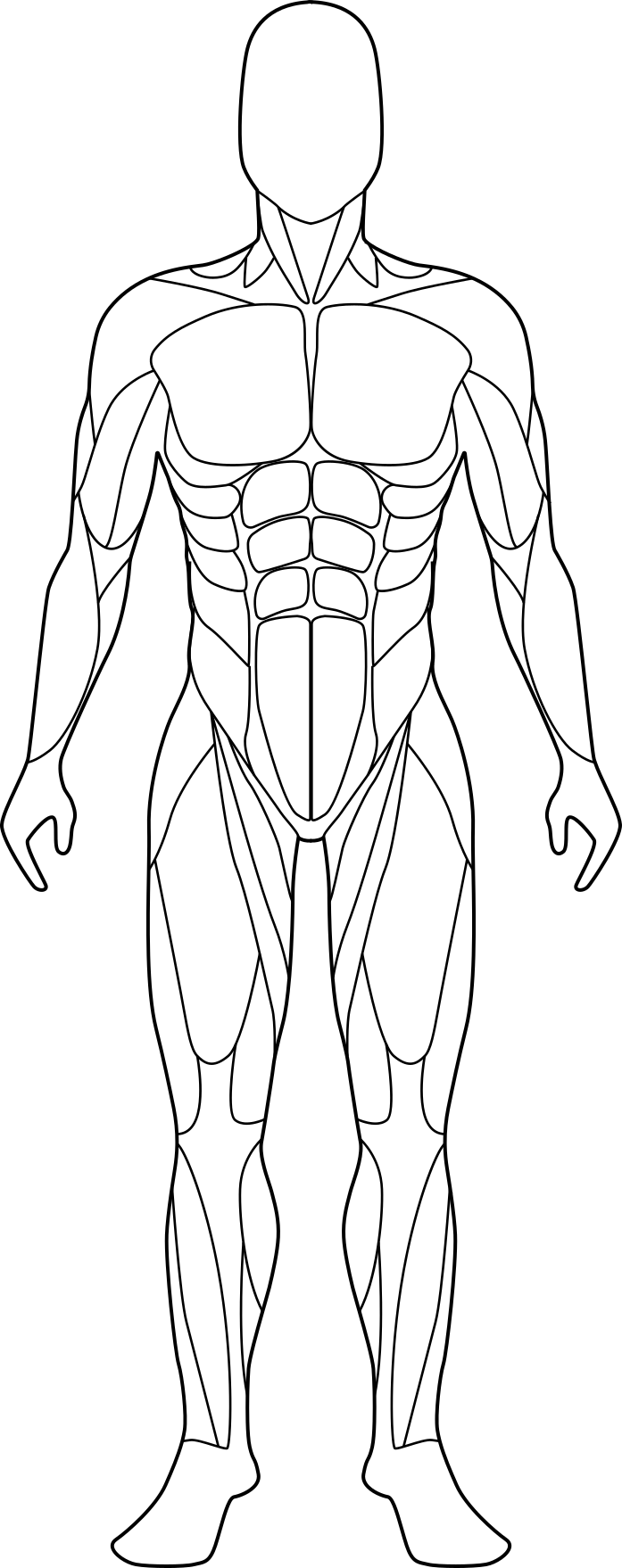
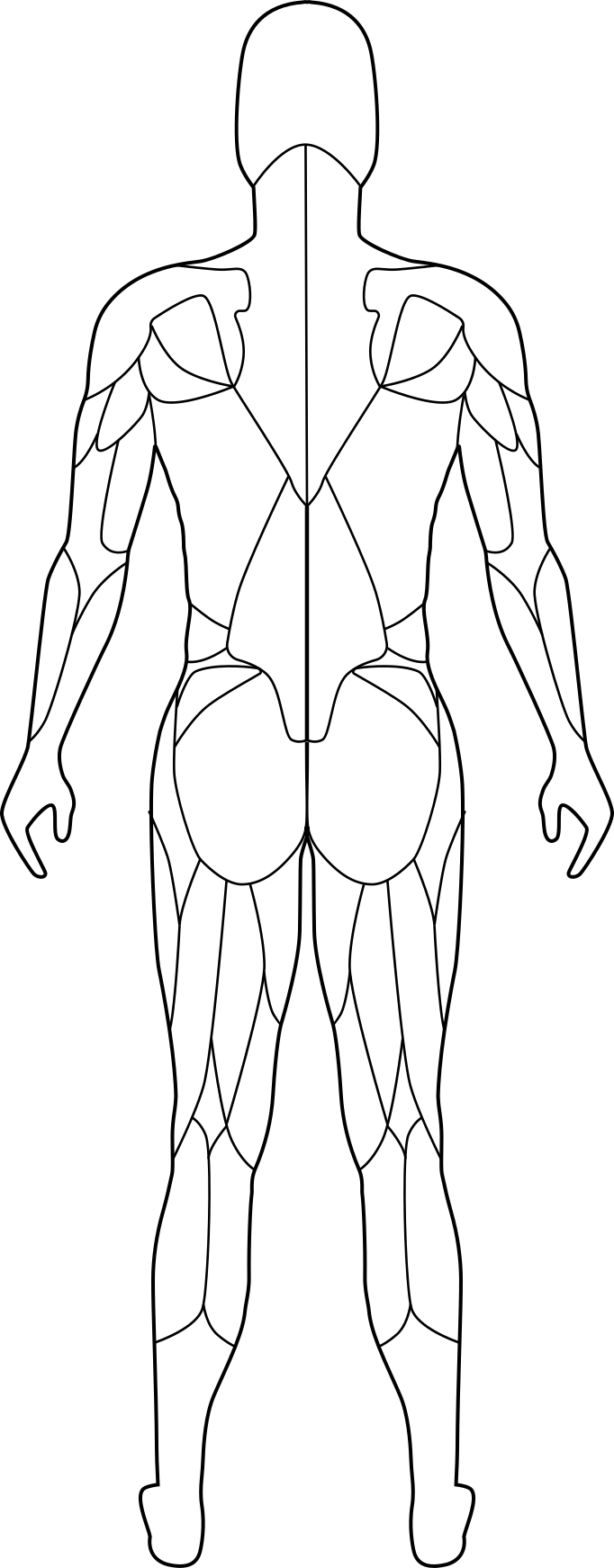
Muscles worked
The Elliptical (Cross Trainer) mainly works your quadriceps and hamstrings, with your glutes and calves helping.


Setting up
- Hold the static handles and step onto the lower pedal first, then bring your other foot onto the higher pedal. Wait until you are steady before you let go and start moving.
- Place your feet flat on the pedals, roughly in the middle, with your toes pointing forwards. Your heels should rest on the pedals and not hang off the back.
- Start with a low resistance and a gentle pace for the first couple of minutes. Increase the resistance only once your stride feels smooth.
- Choose whether to hold the moving handles or the static ones. Keep a light grip, because the handles are there for balance and rhythm.
How to do the Elliptical (Cross Trainer)
- Stand tall with your chest lifted and your eyes looking ahead, not down at your feet or the screen.
- Start pushing one pedal forwards and down, then let the other follow, building a smooth, even rhythm.
- Press through the whole of each foot, keeping your heels down, so you feel the work in your quadriceps and glutes as you push down.
- Let your knees soften and track in line with your toes at the bottom and top of each stride. Do not lock them straight.
- Settle into a pace where you can keep a steady rhythm for the whole session, adjusting resistance up or down to hit your target effort.
- When you finish, slow down for a couple of minutes at low resistance. Let the pedals stop completely, then step off holding the static handles.
Form tips
- Think about pushing the pedals away with your whole foot. This keeps the effort in your legs instead of your hands.
- Keep your weight over your feet and stand tall. If you are leaning on the handles, the resistance is probably too high or you are tiring.
- Add difficulty with resistance first. Raising the speed while the resistance is very low tends to make the stride bouncy and sloppy.
- Try a few minutes of reverse pedalling now and then. It shifts the emphasis towards your hamstrings and glutes. Slow the pace down until it feels controlled.
- Check your effort by how you can talk. A steady session should feel moderately hard, but you should still manage short sentences.
Common mistakes
Leaning heavily on the handles
Lighten your grip and stand tall so your legs take the load. If you can't keep upright, reduce the resistance a little.
Heels lifting off the pedals
Keep your heels pressed down and your weight spread through the whole foot. This keeps your calves from overworking and lets your quadriceps and glutes do more of the pushing.
Resistance too low and the pedals spinning too fast
Slow the pace and add resistance so that each stride feels controlled. You should feel your legs pushing, not just being carried along.
Locking the knees or letting them roll inwards
Keep a slight bend in your knees at the end of each stride and point them in line with your toes. Reduce the resistance if you can't keep them steady.
How long and how hard
| Fat loss | 30-40 minutes at a moderate, steady effort (about 5-6 out of 10), 3-4 times a week. Build up your time gradually, and pair it with your usual gym sessions and a sensible diet. |
|---|---|
| General fitness | 20-30 minutes at a steady effort, 2-3 times a week. Once comfortable, try intervals: 1 minute harder (7-8 out of 10) followed by 2 minutes easy, repeated 6-8 times. |
| Warm-up | 5-10 minutes at an easy effort (3-4 out of 10) with light resistance, building up gradually before your main session. |
Elliptical (Cross Trainer) alternatives
Machine taken, or want some variety? These work the same main muscles.
Elliptical (Cross Trainer) FAQs
How long should a beginner use the elliptical?
Start with 10-15 minutes at an easy to moderate effort and add a few minutes each week as it feels comfortable. It is better to finish feeling you could do a bit more than to burn out early.
Which muscles does the elliptical work?
It mainly works your quadriceps and hamstrings, with your glutes and calves also helping to drive the stride. Higher resistance and standing tall make your legs work harder, and reverse pedalling puts more emphasis on the hamstrings and glutes.
Is the elliptical easier on the joints than running?
Many people find it gentler than running because your feet stay on the pedals and there is no landing impact. If you feel pain at any point, stop and get it checked.
Track your Elliptical (Cross Trainer) progress
GymTracker builds your plan, pre-fills the weight from last time and tells you when to go up. Free.
Start free