
Push Press
The dumbbell push press is an overhead press where you use a quick dip and drive from your legs to help move the weights up. It builds strong shoulders and triceps, and it teaches you to move power from your legs through a braced middle into your arms. It suits beginners who already press comfortably with light dumbbells, as well as experienced lifters who want to press heavier than a strict press allows.
Muscles worked
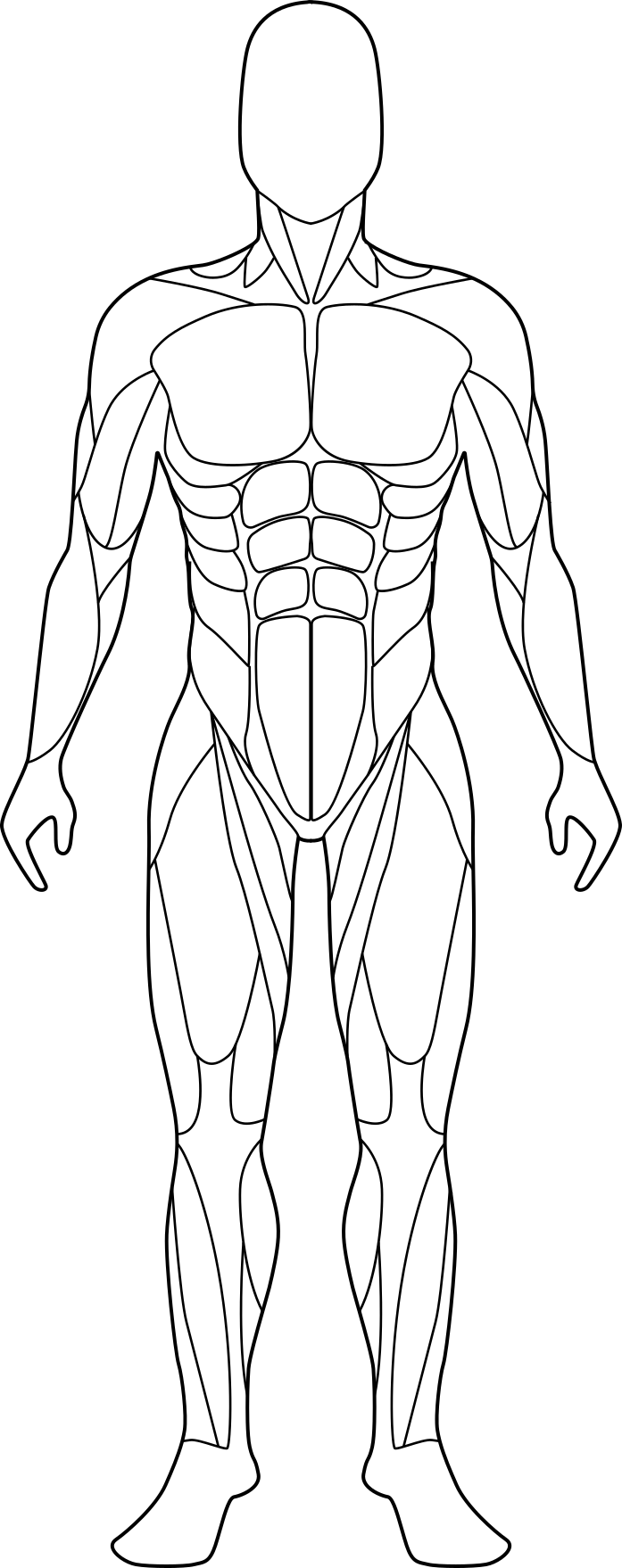
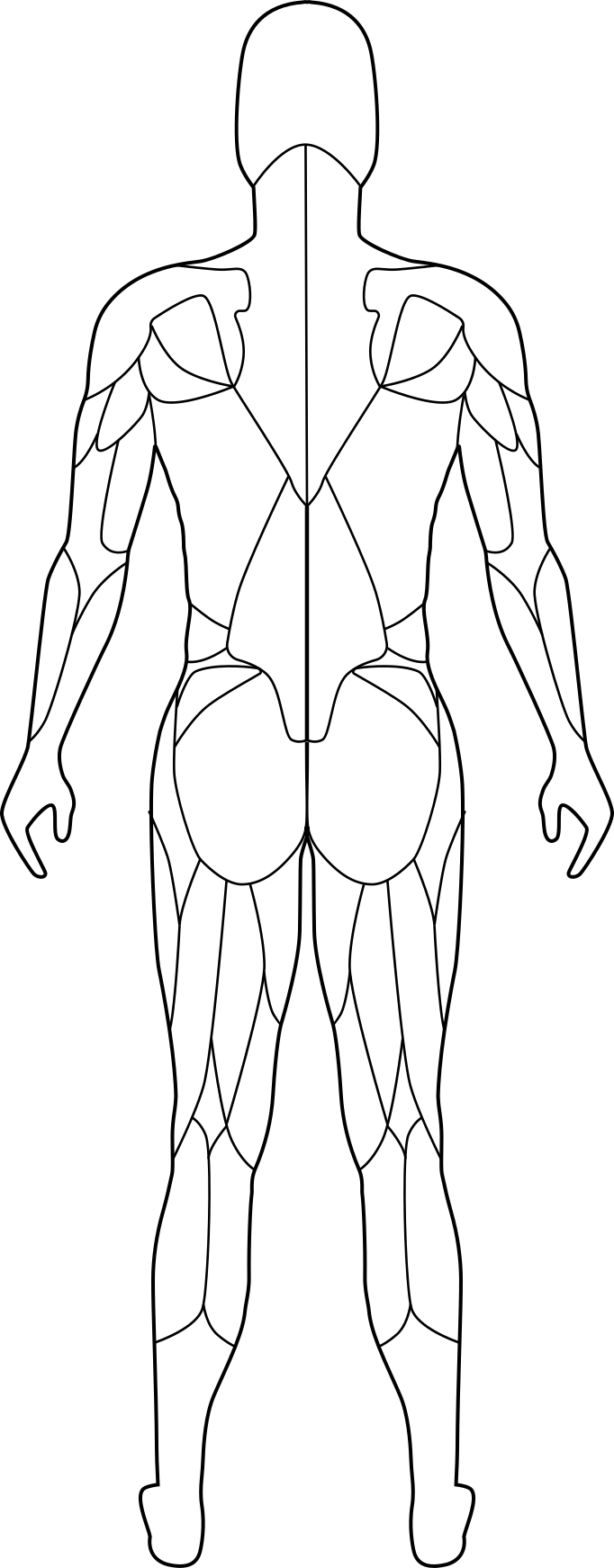
The Push Press mainly works your triceps, anterior delts, lateral delts and posterior delts, with your quadriceps and abs helping.


Setting up
- Pick a pair of dumbbells you can press overhead with control. Starting lighter than you think is sensible, because the timing takes a few sessions to learn.
- Get the dumbbells to your shoulders with palms facing each other. If you are new to cleans, lift them from a low rack or bench instead, or ask someone in the gym to show you a safe way to get them up.
- Stand with your feet about shoulder-width apart, in trainers with a flat, firm sole. The dumbbells should rest on the front of your shoulders with your elbows just in front of your body.
- Take a breath in and brace your abs as if you were about to be nudged in the stomach. Keep your ribs down and your eyes looking straight ahead.
How to do the Push Press
- From the start position, with the dumbbells on your shoulders and your core braced, keep your chest tall and your weight through the middle of your feet.
- Bend your knees to dip down a short way, roughly a quarter of a squat, keeping your torso upright rather than leaning forward.
- Without pausing at the bottom of the dip, drive hard through your feet and straighten your legs quickly so the dumbbells start to rise.
- As your legs finish extending, press the dumbbells up with your arms until your elbows are straight and your biceps are by your ears. Move your head slightly forward once the weights pass it, so they finish directly over your shoulders.
- Hold the top for a moment with your abs tight and your ribs down, not flared.
- Lower the dumbbells under control back to your shoulders, softening your knees slightly as they land so you absorb the weight smoothly. Reset your brace and go again.
Form tips
- Think of the dip and drive as one smooth, fast movement. The legs start the weights moving and your arms finish the job.
- Keep your torso upright in the dip, as if you were sliding down a wall. This sends the force straight up rather than forward.
- Squeeze your abs throughout so your ribs stay stacked over your hips and you don't lean back at the top.
- Press the dumbbells slightly in towards each other overhead so they finish above your shoulders, not out in front.
- Take 2 to 3 seconds to lower the weights. The slower lowering works your shoulders and triceps hard and keeps the reps tidy.
Common mistakes
Dipping too deep
Keep the dip shallow, around a quarter squat. If you sink lower, it becomes a squat followed by a press and you lose the quick drive.
Pressing before the legs have finished
Wait until your legs are driving up and nearly straight before your arms take over. Practise with light dumbbells and think 'legs, then arms'.
Leaning back and flaring the ribs
Brace your abs before every rep and keep your ribs pulled down. If you can't hold that position overhead, use lighter dumbbells.
Pausing at the bottom of the dip
Dip and drive in one continuous motion. A pause wastes the spring in your legs and turns the rep into a slow, heavy press.
Sets and reps
| Build strength | 4-5 sets of 3-5 reps with a challenging weight, resting 2-3 minutes between sets. |
|---|---|
| Build muscle | 3-4 sets of 6-10 reps, resting 60-90 seconds between sets. |
| Fat loss and general fitness | 3 sets of 10-12 reps with lighter dumbbells and smooth, controlled technique, resting 45-60 seconds between sets. |
Pick a weight where the last rep or two of each set is hard but your form stays clean. When every set feels easy, it's time to go up.
Push Press alternatives
Machine taken, or want some variety? These work the same main muscles.
Push Press FAQs
What is the difference between a push press and a strict press?
A strict press uses only your shoulders and triceps, with your legs staying still. A push press adds a small dip and leg drive to help move the weights, so you can usually lift heavier or do more reps.
How heavy should I go on a dumbbell push press?
Choose a weight where you can finish every rep with good form and a braced core, leaving a couple of reps in reserve. Many beginners start with 6-10 kg in each hand and increase gradually once the timing feels natural.
Do I need to clean the dumbbells up to my shoulders?
No. You can lift them from a low rack or bench, or use a safe two-step lift from your thighs to your shoulders. What matters is starting each set with the dumbbells resting on your shoulders and your core braced. Stop if anything hurts and get it checked.
Track your Push Press progress
GymTracker builds your plan, pre-fills the weight from last time and tells you when to go up. Free.
Start free