
Cable Lateral Raises
The cable lateral raise is a single-arm exercise where you lift a low cable handle out to your side, working the lateral delts (the side of your shoulder). The cable keeps tension on the muscle all the way through the rep, which is harder to get with dumbbells at the bottom of the movement. It suits beginners and experienced lifters alike, as long as you start light and keep the movement controlled.
Muscles worked
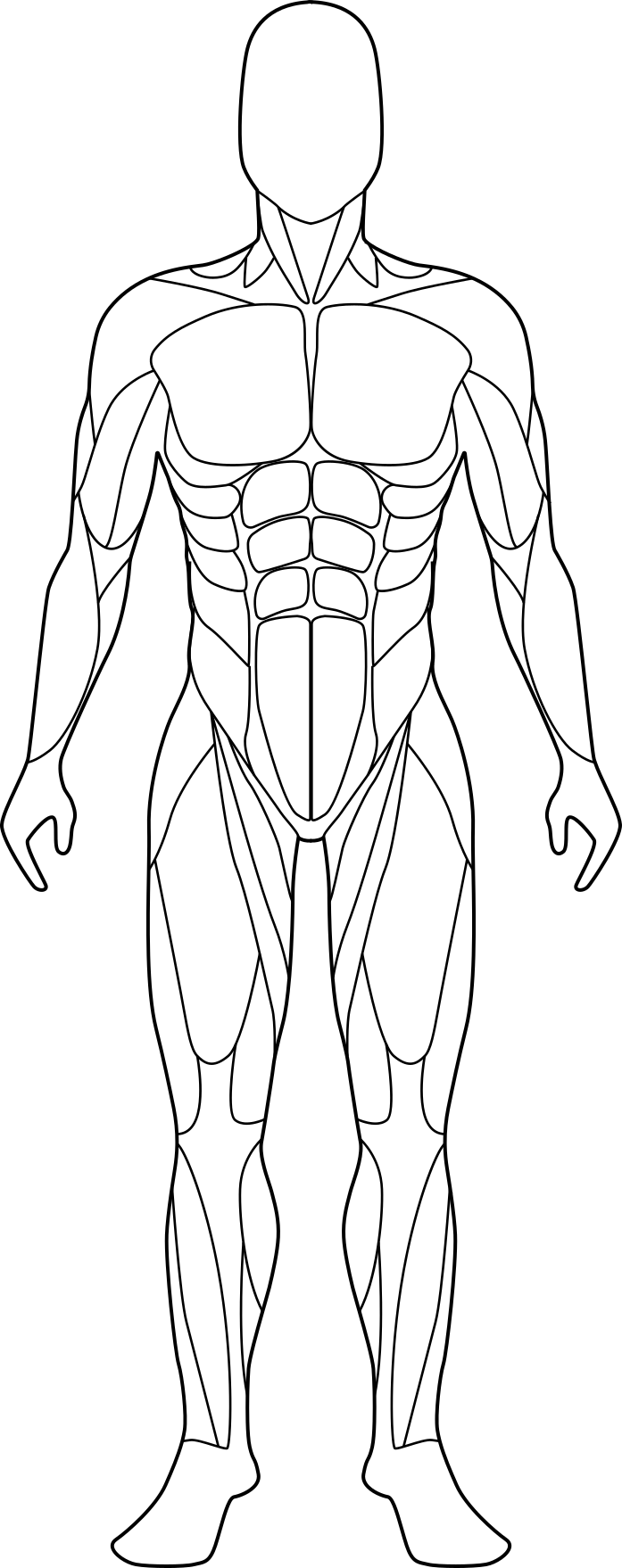
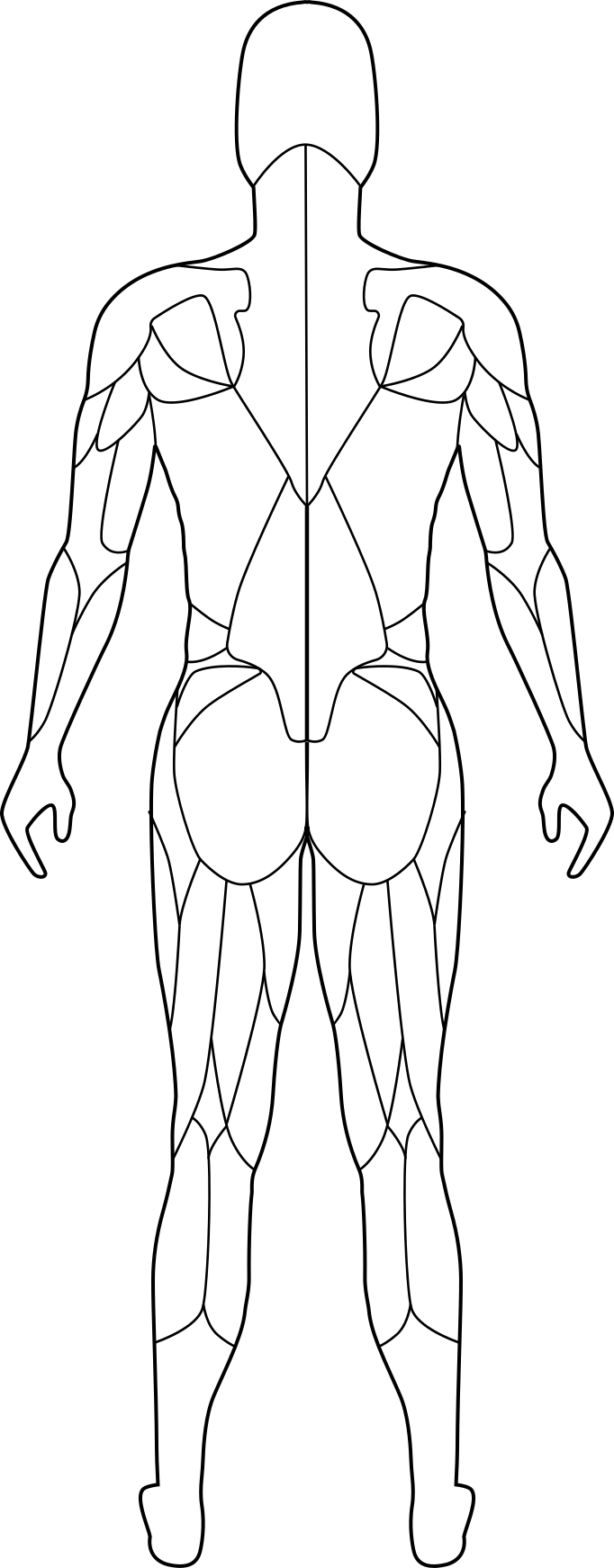
The Cable Lateral Raises mainly works your lateral delts.


Setting up
- Set the pulley at the lowest position and attach a single handle. Stand side-on to the machine, a step or two away, so the cable has no slack when you hold the handle.
- Take the handle in the hand furthest from the machine, so the cable crosses in front of your body. Hold the machine with your other hand for balance if you need to.
- Stand tall with feet about hip-width apart, ribs down and knees soft. Let your working arm hang by your side with a slight bend in the elbow.
- Pick a very light weight to start, such as 2.5 to 5 kg. Lateral raises are a small-muscle exercise and heavy loads quickly turn into swinging.
How to do the Cable Lateral Raises
- Stand side-on to the cable with the handle in your far hand, arm down and a slight bend in the elbow. You should feel light tension in the cable before you start.
- Brace your core and keep your chest tall, so your body stays still for the whole rep.
- Raise your arm out to the side in a wide arc, leading with your elbow rather than your hand.
- Stop when your hand reaches about shoulder height. Your arm should be roughly in line with your body, not drifting in front of it.
- Pause for a moment and feel the muscle on the side of your shoulder working.
- Lower the handle slowly over about two to three seconds, keeping tension on the cable. Stop just short of letting the weight stack rest before the next rep.
- Complete all your reps on one arm, then turn around and repeat on the other side.
Form tips
- Think about pushing your elbow out to the side and up, with the handle just along for the ride. This keeps the work in the side of the shoulder rather than your forearm and hand.
- Keep the same slight bend in your elbow throughout. Do not let it bend and straighten as you lift.
- Tilt the handle so your little finger is a touch higher than your thumb at the top, as if you were pouring from a jug. Only do this if it feels comfortable.
- Lower the handle slower than you lifted it. The controlled lowering phase is where the cable earns its keep.
- Stay light. If you have to lean, jerk or shrug to get the handle up, the weight is too heavy for this exercise.
Common mistakes
Swinging the body
Brace your core, stand tall and hold the machine with your free hand. If you still need momentum to lift the handle, drop the weight.
Lifting above shoulder height
Stop when your arm is level with your shoulder. Going higher tends to bring other muscles in and takes the tension off the side of your shoulder.
Shrugging the shoulder up towards the ear
Keep your shoulder relaxed and down as you lift. Imagine lengthening your neck and reaching the elbow away from your body.
Dropping the weight on the way down
Take two to three seconds to lower the handle and keep the cable taut. Do not let the weight stack touch down between reps.
Sets and reps
| Build strength | 3-4 sets of 6-10 reps per arm with a challenging but controlled weight, resting 90-120 seconds. Keep your form strict on every rep. |
|---|---|
| Build muscle | 3-4 sets of 10-15 reps per arm, resting 60-90 seconds. Finish each set with a couple of good reps left in the tank. |
| General fitness and fat loss | 2-3 sets of 12-20 reps per arm with a light weight, resting 30-60 seconds. Use it as part of a full-body session alongside bigger exercises and some cardio. |
Pick a weight where the last rep or two of each set is hard but your form stays clean. When every set feels easy, it's time to go up.
Cable Lateral Raises alternatives
Machine taken, or want some variety? These work the same main muscles.
Cable Lateral Raises FAQs
Are cable lateral raises better than dumbbell lateral raises?
Neither is better outright. Cables keep tension on the muscle at the bottom of the rep, where dumbbells feel easy, so many people feel them working more. Dumbbells are simpler to set up and fine to use. Many lifters use both.
How heavy should I go on cable lateral raises?
Lighter than you think. Choose a weight you can lift for 10-15 smooth reps without leaning or swinging. Most beginners start with 2.5 to 5 kg and increase in the smallest steps available.
Should the cable go in front of or behind my body?
Most people stand side-on with the cable crossing in front of the body, which keeps tension on the muscle from the first inch. Some stand slightly further away or turn a little to get a comfortable arc. Pick the position where you feel it in the side of your shoulder and the movement stays smooth. If anything hurts, stop and get it checked.
Track your Cable Lateral Raises progress
GymTracker builds your plan, pre-fills the weight from last time and tells you when to go up. Free.
Start free