
Walking Lunges
Cable walking lunges are a single-leg exercise where you step forward into a lunge while holding a low cable handle at your chest. The cable adds steady resistance that pulls you backwards, so your front thigh works hard to lower you under control and drive you up. They build the quadriceps, with the glutes helping, and suit lifters who are comfortable with bodyweight lunges and want a new way to add load.
Muscles worked
The Walking Lunges mainly works your quadriceps, with your glutes helping.
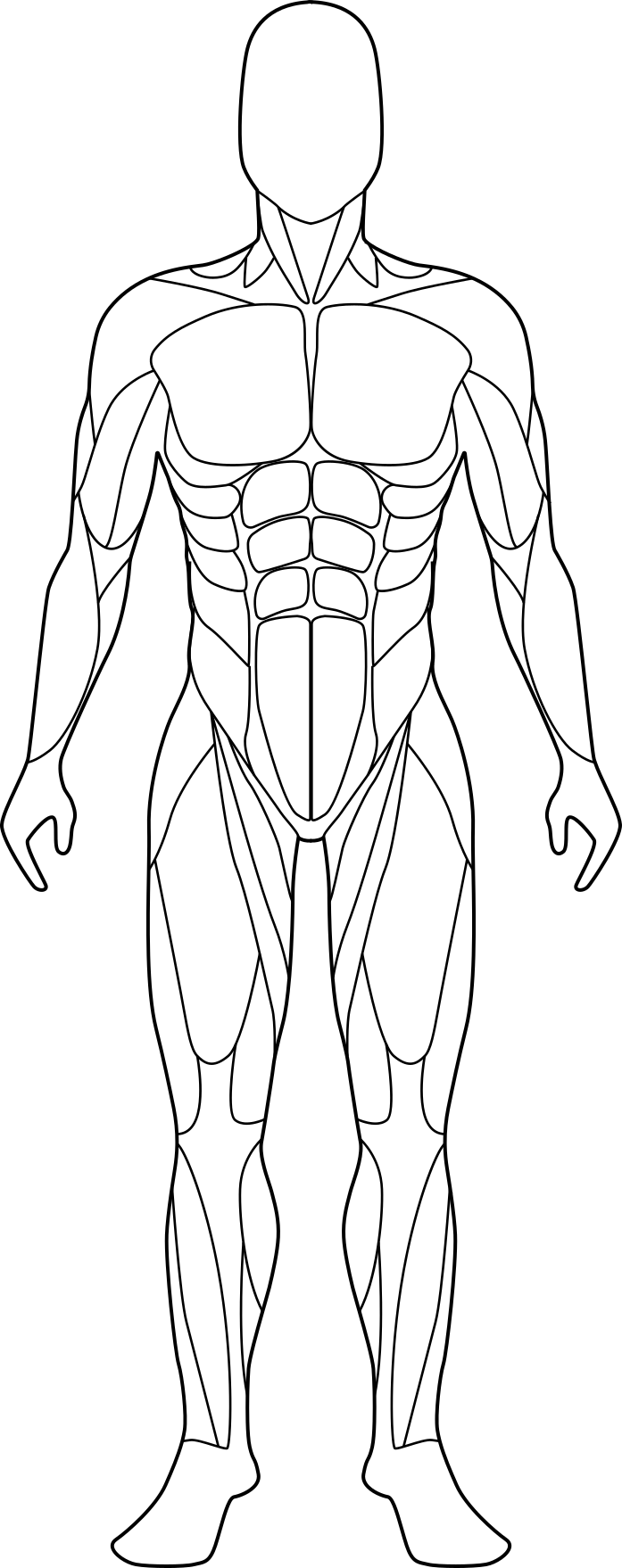

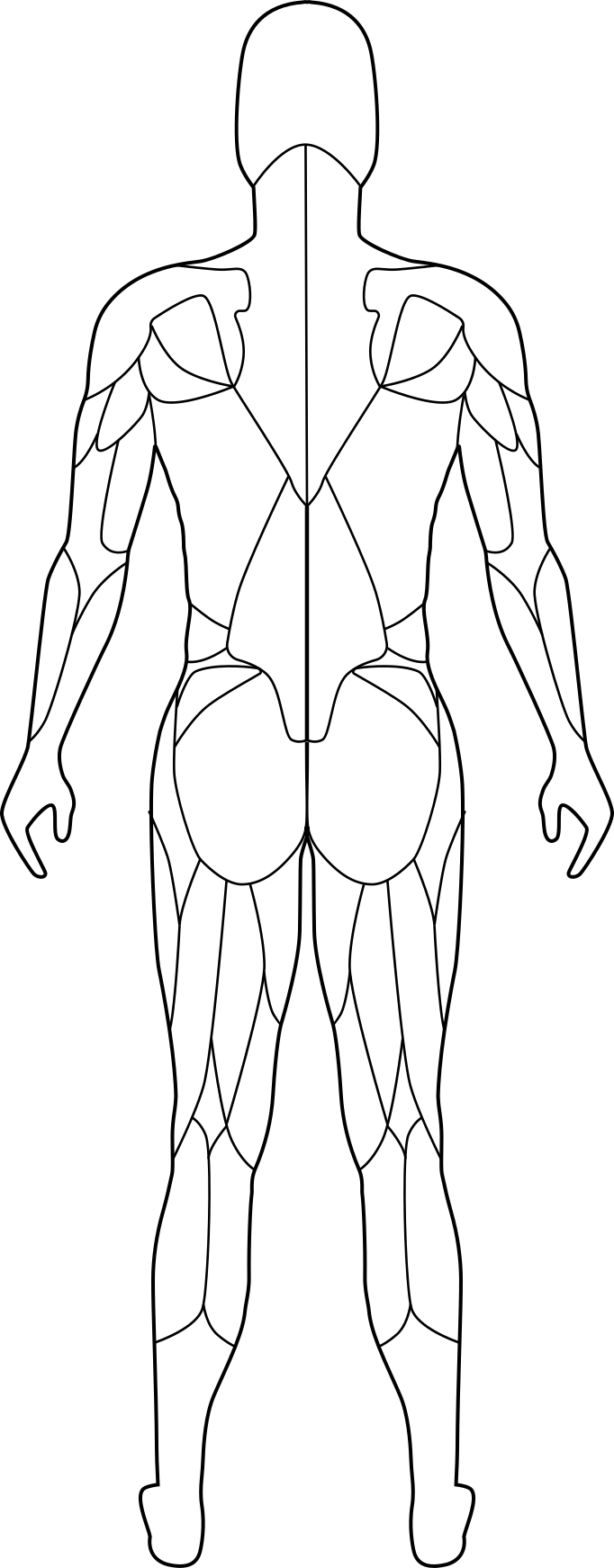

Setting up
- Set the pulley at its lowest position and clip on a short handle or rope. Pick a light weight to start with, around 5-10 kg, and make sure you have 4-6 clear steps of floor in front of you.
- Stand with your back to the stack, a couple of paces away, and hold the handle in both hands against your chest with your elbows tucked in. The cable should run past your hip and stay clear of your legs.
- Check that the weight stack is lifted off its rest and the cable is taut before you take your first step. If it touches the rest between steps, move further from the machine or shorten your stride.
How to do the Walking Lunges
- Stand tall with your feet hip-width apart, chest up, handle pinned to your chest and ribs pulled down so you are not leaning back against the cable.
- Take a long step forward with one foot and plant it flat, so your whole foot is on the floor.
- Bend both knees and lower straight down until your back knee hovers just above the floor, with your front shin roughly upright and your front knee tracking over your toes.
- Push through the middle of your front foot and heel to stand, and squeeze your thigh and glute as you rise.
- Bring your back foot through and step it forward into the next lunge on the opposite side.
- Keep stepping for your target number of steps, then turn around carefully and walk back, or lower the weight under control and reset.
Form tips
- Keep your trunk braced and upright the whole way. The cable will try to pull you back, so think about staying tall rather than leaning forward to fight it.
- Take a stride long enough that your front shin stays close to vertical at the bottom. If your knee is far past your toes, step further.
- Push through the middle of the front foot and heel, not your toes, so you feel the front thigh doing the work.
- Lower slowly for a count of two, and pause for a moment at the bottom to stay balanced.
- Keep the handle fixed against your chest so the cable does not swing your upper body around.
Common mistakes
Leaning back against the cable
Lower the weight and pull your ribs down so your chest stays stacked over your hips. Light loads done upright are better than heavy reps where you lean back.
Steps that are too short
Take a bigger step so your front foot lands well ahead of your knee as you descend. A longer stride keeps your front shin upright and your balance steady.
Wobbling or collapsing the front knee inwards
Keep your front knee pointing in the same direction as your toes. Reduce the weight, slow down and plant each foot firmly before you lower.
Letting the weight stack bang down
Stay far enough from the machine that the stack stays lifted throughout. Control the cable on the way back too, rather than letting it yank you.
Sets and reps
| Build strength | 3-4 sets of 6-8 steps per leg with a challenging but controlled weight, resting 2-3 minutes between sets |
|---|---|
| Build muscle | 3-4 sets of 8-12 steps per leg, resting 60-90 seconds between sets |
| Fat loss and general fitness | 2-3 sets of 12-16 steps per leg with a lighter weight and steady pace, resting 45-60 seconds between sets |
Pick a weight where the last rep or two of each set is hard but your form stays clean. When every set feels easy, it's time to go up.
Walking Lunges alternatives
Machine taken, or want some variety? These work the same main muscles.
Walking Lunges FAQs
How heavy should I go on cable walking lunges?
Start light, around 5-10 kg, and focus on keeping your balance and an upright body. Add weight only when every step feels controlled and you are not leaning back.
Can I really walk with a cable machine?
Only a short way, as the cable limits how far you can travel. Take 4-6 steps in one direction, then turn and walk back. If space is tight, do the lunges alternating on the spot instead.
What is the difference between cable walking lunges and dumbbell walking lunges?
The cable pulls you backwards at an angle, so you have to stay braced and upright, while dumbbells pull straight down. Dumbbells let you travel further, and the cable is a good option when you want a different feel. Stop if anything hurts and get it checked.
Track your Walking Lunges progress
GymTracker builds your plan, pre-fills the weight from last time and tells you when to go up. Free.
Start free