Smith Machine Squat
The Smith machine squat is a squat performed with a barbell fixed to vertical rails, so the bar travels in a set path and you don't have to balance it. It mainly builds the quadriceps, with help from the hamstrings and glutes. It suits beginners learning the squat pattern, and anyone who wants to load their legs with a bit more stability.
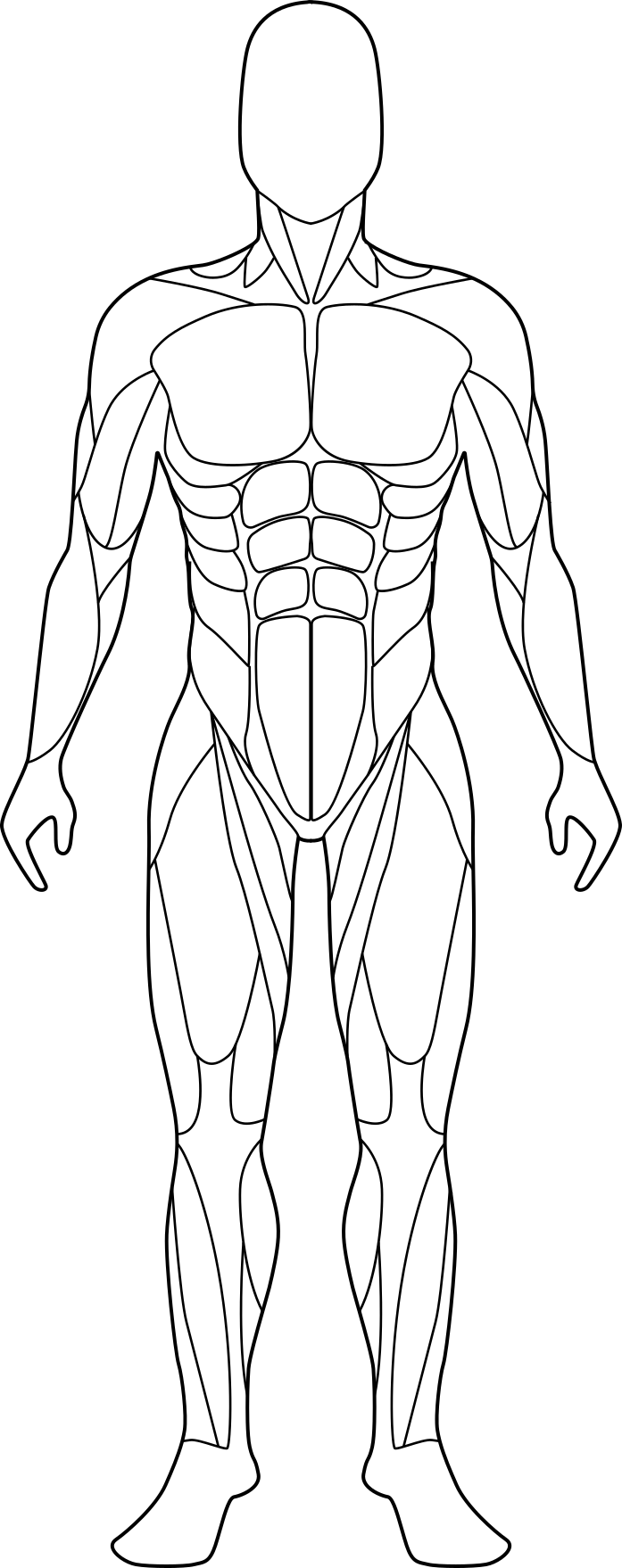
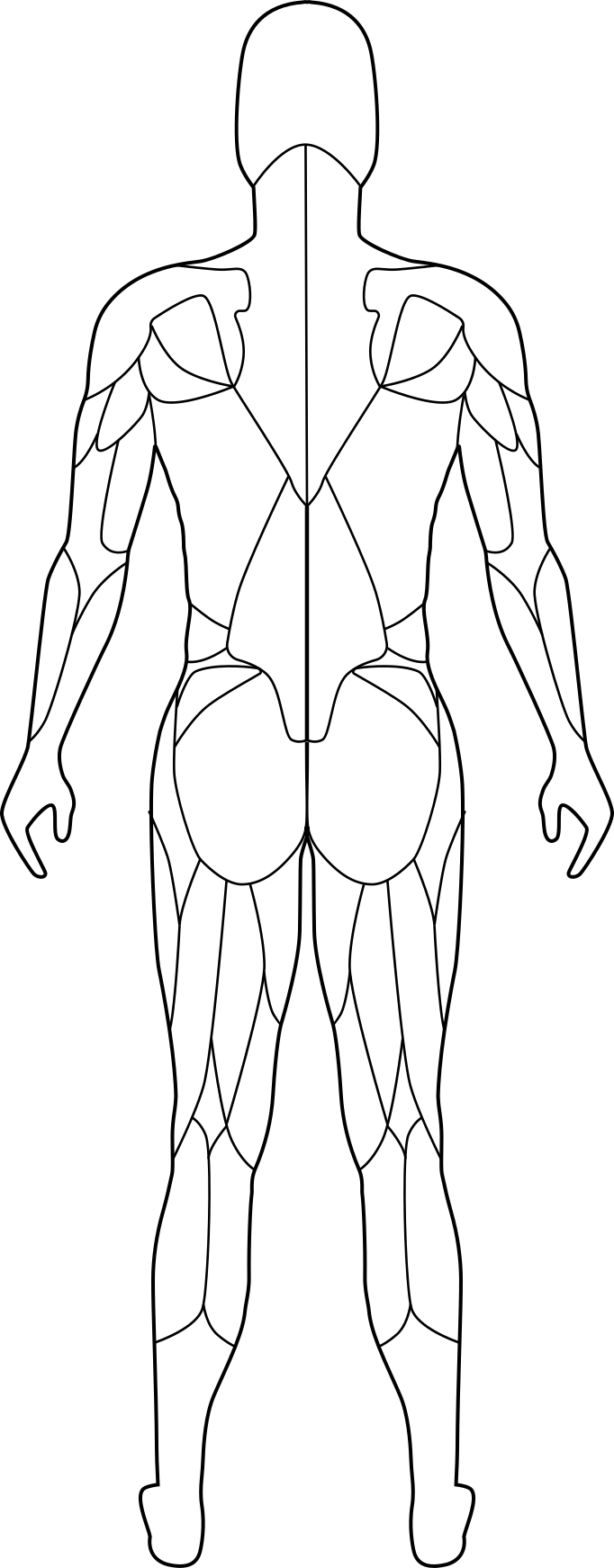
Muscles worked
The Smith Machine Squat mainly works your quadriceps, with your hamstrings and glutes helping.


Setting up
- Set the bar at roughly mid-chest height so you can get under it without having to jump or crouch deeply to unrack it. Add light weight to start with, as the bar itself can feel heavier or lighter depending on the machine.
- Set the safety stops just below the lowest point of your squat, so you can twist the bar onto them if you get stuck. Test them with an empty bar first.
- Step under the bar so it rests across your upper back, below the bony bump at the base of your neck, never on the neck itself. Hold the bar with a hand width a little wider than your shoulders.
- Place your feet about shoulder-width apart, a short step (roughly a foot) in front of the bar, with toes turned out slightly. Your hips should be able to sit down and back without the bar pulling you forward.
How to do the Smith Machine Squat
- Take a breath in, stand up to lift the bar off the hooks and twist your wrists to unhook it, so the bar is now free to move on the rails.
- Brace by tightening around your midsection as if you were about to be nudged in the stomach, and keep your chest proud and eyes looking straight ahead.
- Start the squat by bending at your knees and hips together, sitting down between your heels and keeping your whole foot flat on the floor.
- Lower until your thighs are about parallel to the floor, or as deep as you can go with your heels down and your back staying flat.
- Drive through the middle of your feet and push the floor away to stand back up, keeping your knees tracking in line with your toes.
- Breathe out as you pass the hardest part of the lift, and squeeze your glutes at the top without leaning back.
- After your last rep, push the bar back into the hooks and twist your wrists to lock it on the hooks before you step out.
Form tips
- Think of pushing the floor away through your whole foot. If your heels lift, your feet are probably too far back or the weight is too heavy.
- Keep your knees pointing in the same direction as your toes the whole way down and up.
- Hold the bar firmly and pull it into your upper back, as this keeps your upper body tight and the bar steady.
- Control the way down over about two seconds rather than dropping into the bottom.
- If your lower back rounds at the bottom, stop the descent a little higher and build depth gradually.
Common mistakes
Feet directly under the bar
Step your feet slightly forward so you can sit back into the squat. With your feet under the bar, your knees get pushed forward and your heels may lift.
Feet too far forward
Bring your feet back so that when you reach the bottom, your hips sit down and not out in front of you. If it feels like you're sitting on a chair that's too far away, or your lower back is taking the strain, move your feet in a few centimetres.
Knees caving in
Lighten the load and think about pushing your knees out in line with your toes. Slow the tempo down so you can feel your glutes working to hold the position.
Not using the safety stops
Always set the stops below your squat depth before you load the bar. If you get stuck, lower onto them and twist the bar to rest on the hooks.
Sets and reps
| Build strength | 4-5 sets of 4-6 reps with a challenging weight, 2-3 minutes rest between sets |
|---|---|
| Build muscle | 3-4 sets of 8-12 reps, 60-90 seconds rest between sets |
| Fat loss and general fitness | 2-3 sets of 12-15 reps with a lighter weight, 45-60 seconds rest, as part of a full-body session |
Pick a weight where the last rep or two of each set is hard but your form stays clean. When every set feels easy, it's time to go up.
Smith Machine Squat alternatives
Machine taken, or want some variety? These work the same main muscles.
Smith Machine Squat FAQs
Is the Smith machine squat easier than a barbell squat?
It's more stable because the bar can only move up and down, so you don't need to balance it. That makes it a good way for beginners to learn the movement, but the fixed path means you can't adjust it, so your foot position matters more. Start light and build up gradually.
Where should my feet go on a Smith machine squat?
Start with your feet about shoulder-width apart and a short step in front of the bar. Squat down and check that your heels stay flat and your knees track over your toes. If your knees feel pushed forward or your lower back feels like it's taking the load, move your feet slightly and try again.
What muscles does the Smith machine squat work?
The main muscles worked are the quadriceps at the front of your thighs. Your glutes and hamstrings also help to lower and raise you, especially the deeper you squat. Placing your feet further forward tends to bring in more glutes and hamstrings, while a more under-the-bar stance puts more emphasis on the quads.
Track your Smith Machine Squat progress
GymTracker builds your plan, pre-fills the weight from last time and tells you when to go up. Free.
Start free