
Single Dumbbell Bicep Curl
The single dumbbell bicep curl is a two-handed curl using just one dumbbell, held upright so the weight hangs below your hands. It builds the biceps, with the front of the shoulders helping out. Because one dumbbell is shared between both hands, it suits beginners who want to learn a strict curl and anyone training with limited equipment.
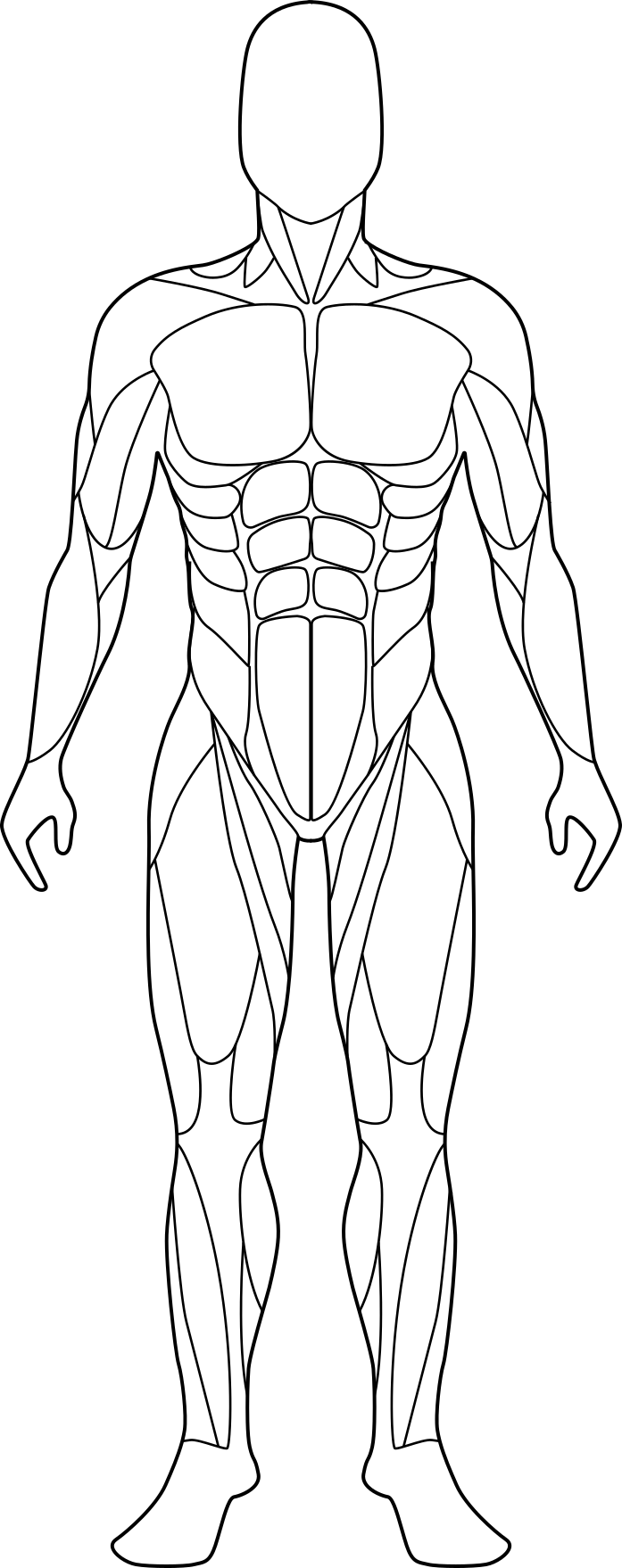
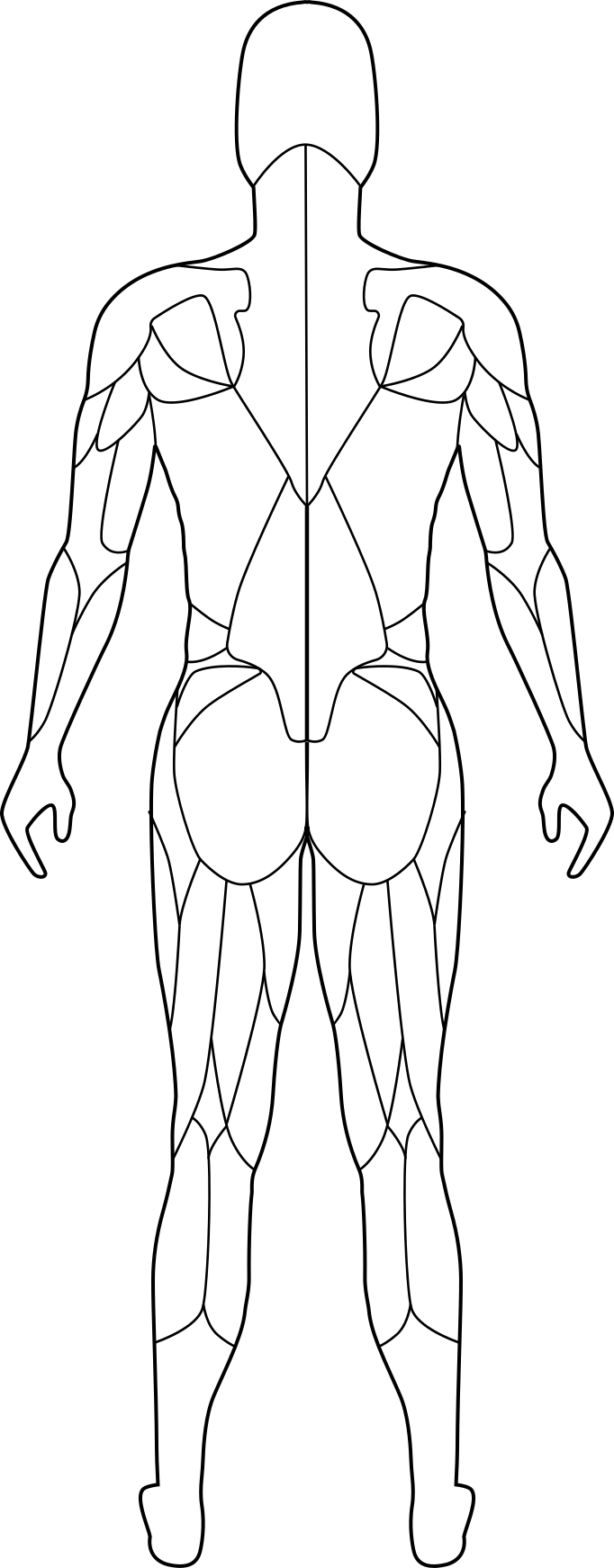
Muscles worked
The Single Dumbbell Bicep Curl mainly works your biceps, with your anterior delts helping.


Setting up
- Pick up one dumbbell and place the other one safely out of the way, rather than dropping it, so your feet stay clear.
- Stand with your feet about hip-width apart, knees soft, chest tall and ribs down, so you aren't leaning back.
- Hold the dumbbell upright by the top weight head with one hand on each side and your palms facing each other, so the dumbbell hangs straight down in front of your thighs.
- Pin your elbows lightly to your sides and let your arms hang long, with your shoulders down and relaxed.
How to do the Single Dumbbell Bicep Curl
- Take a breath in, tighten your grip on the weight head and set your elbows just in front of your ribs.
- Start curling by bending at the elbows, keeping your upper arms still and using as little swing as you can.
- Keep the dumbbell close to your body as it travels up, so it moves in a smooth arc towards your chest.
- Stop when the dumbbell is just beneath your chin, with your elbows still pointing down and forward.
- Squeeze your biceps hard for a second at the top, as if you were trying to bring your hands towards your shoulders.
- Lower the dumbbell slowly over about three seconds, resisting the weight all the way down.
- Let your arms straighten fully at the bottom without dropping into it, then start the next rep.
Form tips
- Start lighter than you think you need. Try 5-10 kg and only go heavier when every rep looks the same as the first.
- Think about your elbows as hinges fixed at your sides. If they drift forward or back, the weight is being swung rather than curled.
- Take the lowering phase seriously. Fighting the weight on the way down is where much of the work happens.
- Keep your grip firm but not crushing, and keep your wrists straight rather than letting them bend back.
- Stand tall and look straight ahead. Keep your ribs down and your feet planted so your body stays still.
Common mistakes
Swinging the weight up
Lower the weight and slow down. Stand tall with your shoulders back and keep your upper arms still, so your biceps have to do the lifting.
Elbows drifting forward
Keep your elbows beside your ribs throughout. If they float forward, your front delts take over, so reduce the load and stop the curl where you can still keep them in place.
Leaning back at the top
Keep your ribs down and your chest tall as you curl. If you need to lean to get the weight up, it's too heavy for now.
Dropping the weight on the way down
Count three seconds on every lowering phase and keep your biceps working until your arms are straight. Don't let gravity do the work.
Sets and reps
| Build strength | 3-5 sets of 6-8 reps with a challenging weight, 2 minutes rest. Keep every rep strict. |
|---|---|
| Build muscle | 3-4 sets of 8-12 reps, 60-90 seconds rest, using a slow lowering phase and a squeeze at the top. |
| Fat loss and general fitness | 2-3 sets of 12-15 reps with a lighter weight, 45-60 seconds rest. Use it alongside larger exercises as part of a full-body plan. |
Pick a weight where the last rep or two of each set is hard but your form stays clean. When every set feels easy, it's time to go up.
Single Dumbbell Bicep Curl alternatives
Machine taken, or want some variety? These work the same main muscles.
Single Dumbbell Bicep Curl FAQs
How heavy should a single dumbbell bicep curl be?
Choose a weight you can lift for 10-12 controlled reps without swinging, with the last couple feeling hard. Many beginners start around 5-10 kg. Because both hands share the load, you can often go heavier than with a one-handed curl.
Why do you curl the dumbbell up to your chin?
Bringing the dumbbell up beneath your chin takes the elbows through a full range of movement and gives you a strong squeeze at the top. Your front delts help a little, but the movement should still come from your biceps. Stop where you can keep your elbows down and your body still.
How often can I do this exercise?
Most people do well training biceps twice a week, with at least a day between sessions. Start with 2-3 sets per session and add more only if you recover well. If anything hurts, stop and get it checked.
Track your Single Dumbbell Bicep Curl progress
GymTracker builds your plan, pre-fills the weight from last time and tells you when to go up. Free.
Start free