
Front Raises
The dumbbell front raise is a simple isolation exercise that builds the front of your shoulders (the anterior delts), with your chest helping a little. It suits beginners and experienced lifters who want to add targeted shoulder work to a programme. You only need a pair of light dumbbells and a bit of space.
Muscles worked
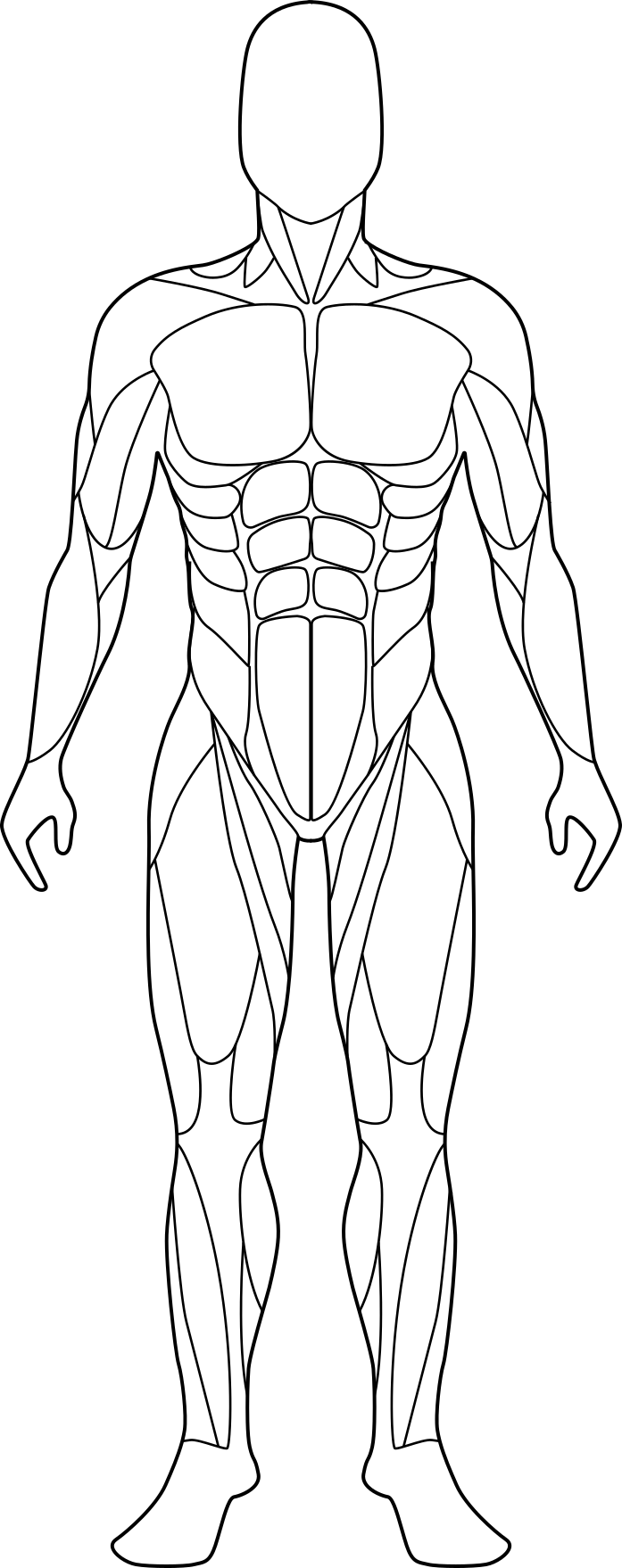
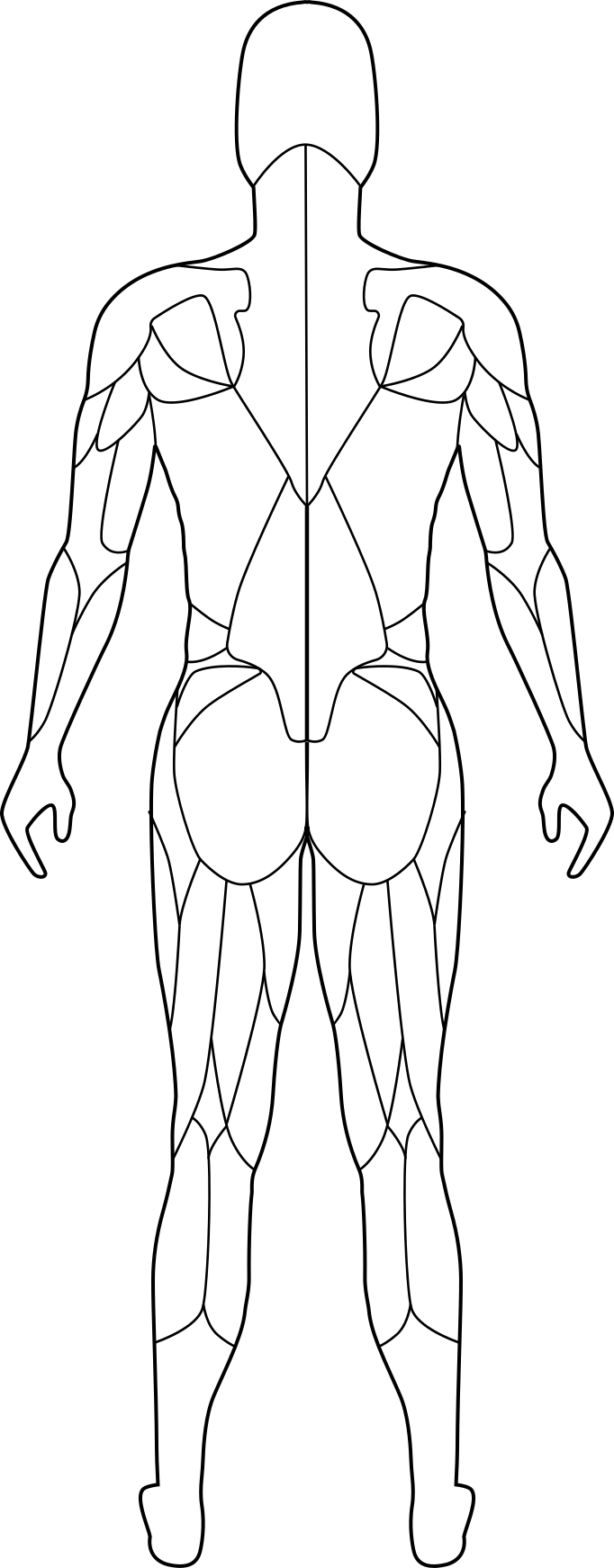
The Front Raises mainly works your anterior delts, with your chest helping.


Setting up
- Pick a light pair of dumbbells. Most people start with 2-5 kg in each hand, because this lift is harder than it looks once the weight is out in front of you.
- Stand tall with your feet about hip-width apart, knees soft rather than locked, and trainers flat on the floor.
- Hold the dumbbells in front of your thighs with an overhand grip (palms facing your legs), arms straight but with a slight soft bend at the elbows.
- Pull your shoulders down and slightly back, and keep your ribs down so your chest isn't pushed forward.
How to do the Front Raises
- Take a breath in and brace your stomach gently, as if preparing for a light tap. Keep your head level and eyes forward.
- Raise one dumbbell (or both together) forward in a smooth arc, leading with the front of your shoulder rather than your hand.
- Keep your arm almost straight, with the same slight elbow bend throughout, and keep your palm facing down.
- Stop when your hand is at about shoulder height, so your arm is roughly parallel to the floor.
- Pause for a moment at the top and feel the front of your shoulder working.
- Lower the dumbbell slowly over 2-3 seconds back to the front of your thigh, without letting it drop or swing.
- If you're alternating, repeat with the other arm. Count one rep once each arm has lifted.
Form tips
- Think of lifting your arm with your shoulder, not swinging the dumbbell up with your hand. Imagine your hands are just hooks holding the weight.
- Keep your shoulders down and away from your ears so the work stays in the front of the shoulder.
- Lower slowly. Controlling the way down is a big part of what makes this exercise work.
- Stand tall and keep your ribs stacked over your hips. If you have to lean back to get the weight up, it's too heavy.
- Go lighter than you think you need to. You should be able to finish every rep with the same smooth speed.
Common mistakes
Swinging the weight up
Using momentum from your legs or body means the shoulder does less of the work. Reduce the weight, pause briefly at the bottom of each rep and lift from a still position.
Leaning back
Tilting backwards as you lift is a sign the dumbbells are too heavy. Keep your ribs down and your body upright, and choose a weight you can lift without moving your torso.
Lifting too high
Going well above shoulder height usually makes you shrug and arch. Stop when your arm is parallel to the floor, which is where the front of the shoulder does the most work.
Shrugging the shoulders up
If your shoulders creep towards your ears, the lift becomes messy and uncomfortable. Set your shoulders down before each rep and use a lighter weight.
Sets and reps
| Build strength | 3-4 sets of 6-8 reps with a weight that's challenging but still allows strict form, resting around 2 minutes. This is an isolation exercise, so keep the weight controlled rather than chasing heavy loads. |
|---|---|
| Build muscle | 3 sets of 10-15 reps, resting 60-90 seconds. Use a slow lower of 2-3 seconds and stop each set when your form starts to slip. |
| Fat loss / general fitness | 2-3 sets of 12-15 reps with light dumbbells, resting 30-60 seconds. Include it in a full-body circuit alongside bigger exercises. |
Pick a weight where the last rep or two of each set is hard but your form stays clean. When every set feels easy, it's time to go up.
Front Raises alternatives
Machine taken, or want some variety? These work the same main muscles.
Front Raises FAQs
How high should I raise the dumbbells in a front raise?
Raise them to about shoulder height, so your arms are roughly parallel to the floor. Going higher tends to bring in shrugging and leaning back, and doesn't add much for the front of the shoulder.
Should I do front raises with both arms or one at a time?
Both work well. Lifting one arm at a time lets you focus on technique and use less swing, which suits beginners. Lifting both together is quicker, but needs a lighter weight and more control.
What weight should I use for dumbbell front raises?
Start with 2-5 kg per hand and choose a weight you can lift for 10-12 controlled reps without swinging or leaning. Increase in the smallest steps available once you can complete all your sets with good form. Stop if anything hurts and get it checked.
Track your Front Raises progress
GymTracker builds your plan, pre-fills the weight from last time and tells you when to go up. Free.
Start free