
Cable Kickbacks
The cable kickback is a single-arm isolation exercise that works the triceps, the muscle on the back of your upper arm. The cable keeps the resistance on the muscle all the way through the rep, so it is a good way to learn to feel your triceps working. It suits beginners and experienced lifters alike, as long as you keep the weight light and the movement controlled.
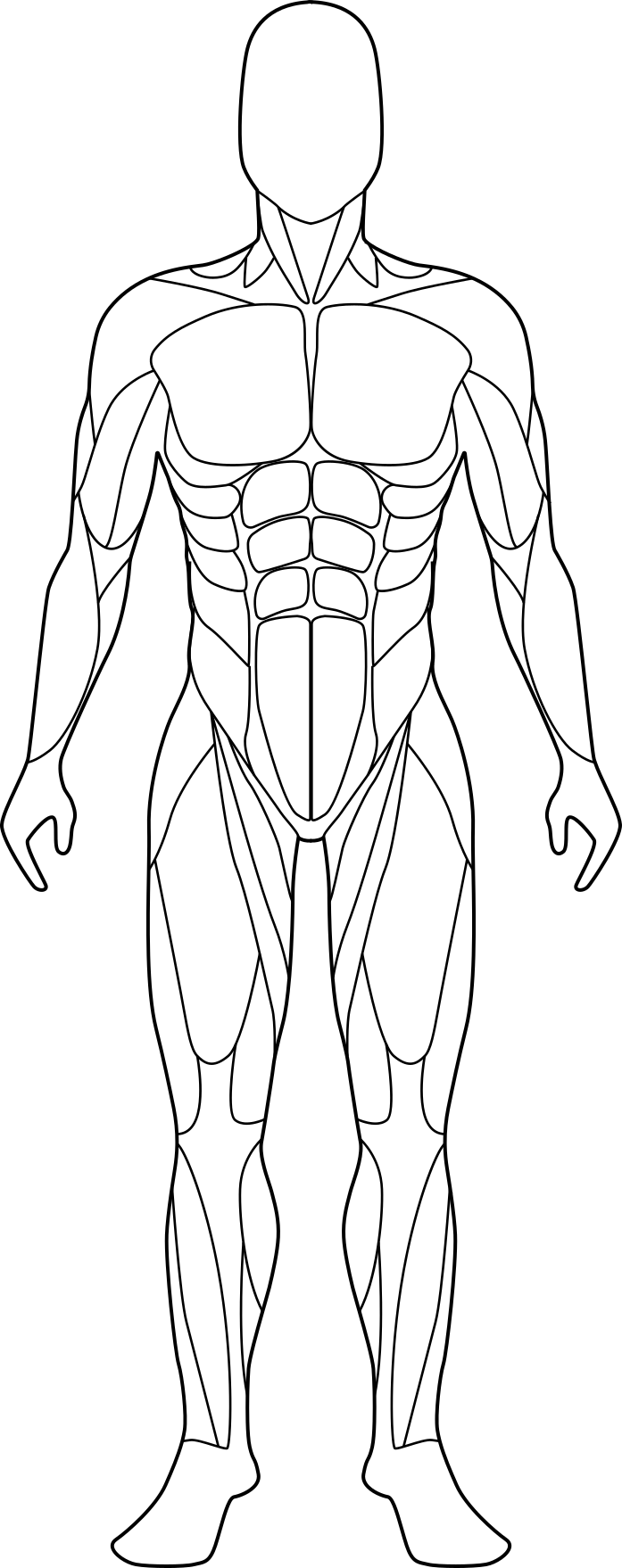
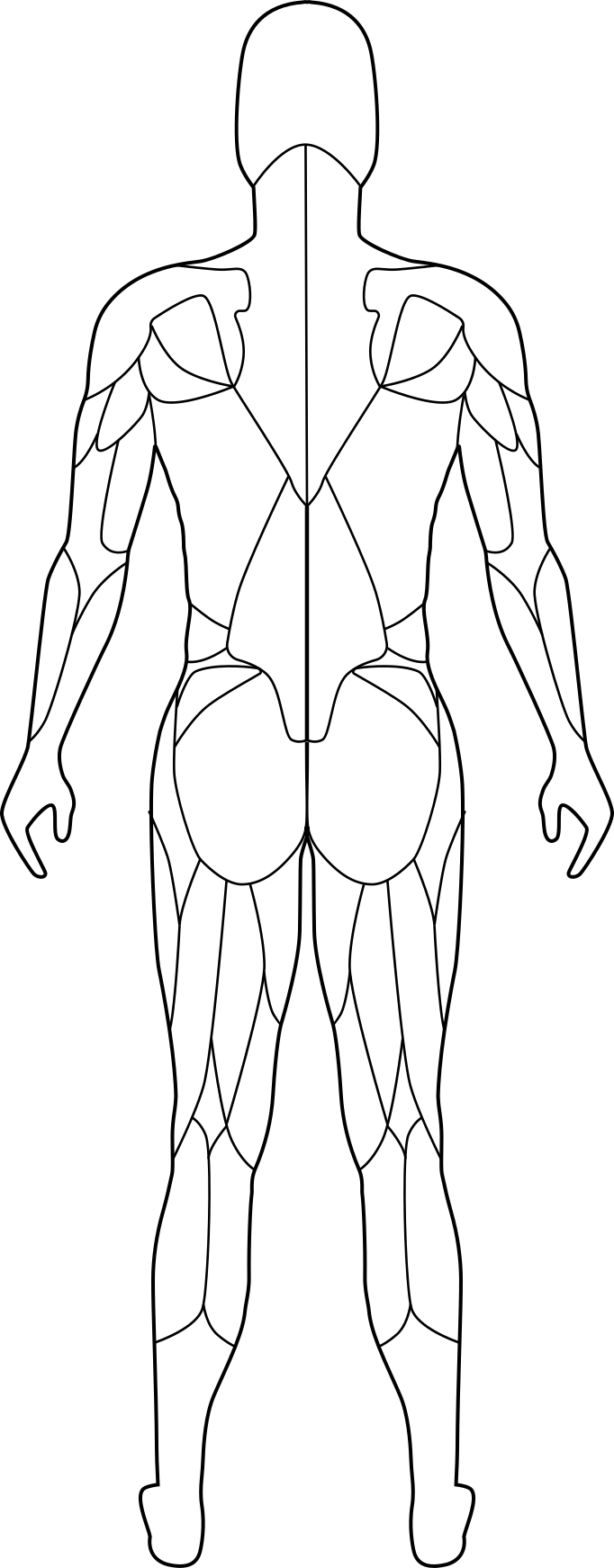
Muscles worked
The Cable Kickbacks mainly works your triceps.


Setting up
- Clip a single D-handle to the low pulley and pick a light weight. Start lighter than you think you need, as this exercise is about control rather than load.
- Stand facing the stack, about one step back, with your feet roughly hip-width apart and your knees slightly bent. A staggered stance, with the foot on your free-hand side forward, gives you a steadier base.
- Hinge forward at the hips until your torso is angled forward, roughly 45 degrees, keeping your spine long and your head in line with it. Rest your free hand on the machine or on your thigh for support.
- Take the handle in your working hand with your palm facing in. Bring your elbow up beside your ribs so your upper arm is parallel to the floor and your elbow is bent to about 90 degrees.
How to do the Cable Kickbacks
- Set your hinge position, brace your torso and hold your upper arm against your side, parallel to the floor, with the handle level with your lower ribs.
- Keeping your upper arm completely still, start straightening your elbow so the handle travels back behind you.
- Carry on until your arm is fully straight and in line with your torso, with your palm still facing in and your wrist straight.
- Squeeze the back of your upper arm hard for a second at the end of the movement.
- Slowly bend your elbow to lower the handle back to the 90-degree start position, taking about two to three seconds, and keep tension on the cable.
- Finish all your reps on one arm, then change sides and repeat.
Form tips
- Think of your upper arm as fixed in place, like a hinge that cannot move. Only the forearm swings, and the elbow stays at the same height throughout.
- Push the handle back and very slightly up, rather than down towards the floor, so the cable pulls along the line of your forearm.
- Keep your wrist in line with your forearm. Imagine you are pushing the back of the handle away with your palm, not flicking it with your hand.
- Pause and squeeze at full extension. If you cannot feel the back of your arm tighten, the weight is probably too heavy.
- Control the way back down. Letting the cable pull your arm forward quickly wastes half the exercise.
Common mistakes
Swinging the body to move the weight
Lower the weight and hold your hinge position still. Your torso should stay in the same place from the first rep to the last, with only your forearm moving.
Letting the elbow drop
Keep your upper arm parallel to the floor and tucked to your side. If the elbow sinks as you tire, the exercise stops working the triceps properly, so end the set or reduce the weight.
Short, half-range reps
Start every rep from a 90-degree elbow bend and finish with the arm fully straight. Lighter weight with full range works the muscle better than heavy weight with partial reps.
Rounding the spine or standing too upright
Hinge from the hips with a long, neutral spine and keep your eyes on the floor a short distance ahead. Support yourself with your free hand so you can focus on the working arm.
Sets and reps
| Build strength | 3-4 sets of 6-8 reps per arm, resting 2 minutes. Use it after your main pressing exercises, as a cable kickback is a finishing exercise rather than a heavy lift. |
|---|---|
| Build muscle | 3 sets of 10-15 reps per arm, resting 60-90 seconds. Use a weight that leaves you 1-2 reps short of failure with good form. |
| Fat loss and general fitness | 2-3 sets of 12-15 reps per arm, resting 45-60 seconds, as one part of a full-body gym session that also includes bigger exercises and some cardio. |
Pick a weight where the last rep or two of each set is hard but your form stays clean. When every set feels easy, it's time to go up.
Cable Kickbacks alternatives
Machine taken, or want some variety? These work the same main muscles.
Cable Kickbacks FAQs
How heavy should I go on cable kickbacks?
Lighter than most people expect. Many lifters use around 2.5-10 kg, depending on the machine and their experience. Pick a weight you can lift with a still upper arm and squeeze for a second at the top of every rep.
Are cable kickbacks better than dumbbell kickbacks?
The cable keeps tension on the triceps through the whole rep, while a dumbbell has almost no resistance when your arm is bent. That makes the cable version easier to feel and control. Both work the same muscle, so use whichever you find easier to do with good form.
How do I feel cable kickbacks in my triceps?
Keep your upper arm pinned parallel to the floor, use a lighter weight and squeeze hard when your arm is straight. Slow the lowering phase right down. If you still cannot feel it, ask a trainer to check your position, and stop if you feel any pain.
Track your Cable Kickbacks progress
GymTracker builds your plan, pre-fills the weight from last time and tells you when to go up. Free.
Start free