
Bayesian cable Curl (Standing Bicep behind torso)
The Bayesian cable curl is a single-arm curl done standing with your back to a low cable, so your arm starts behind your body. This keeps the biceps under tension and gives them a strong stretch at the bottom of each rep. It suits beginners and experienced lifters who want to add arm work, as long as they start light and stay in control.
Muscles worked
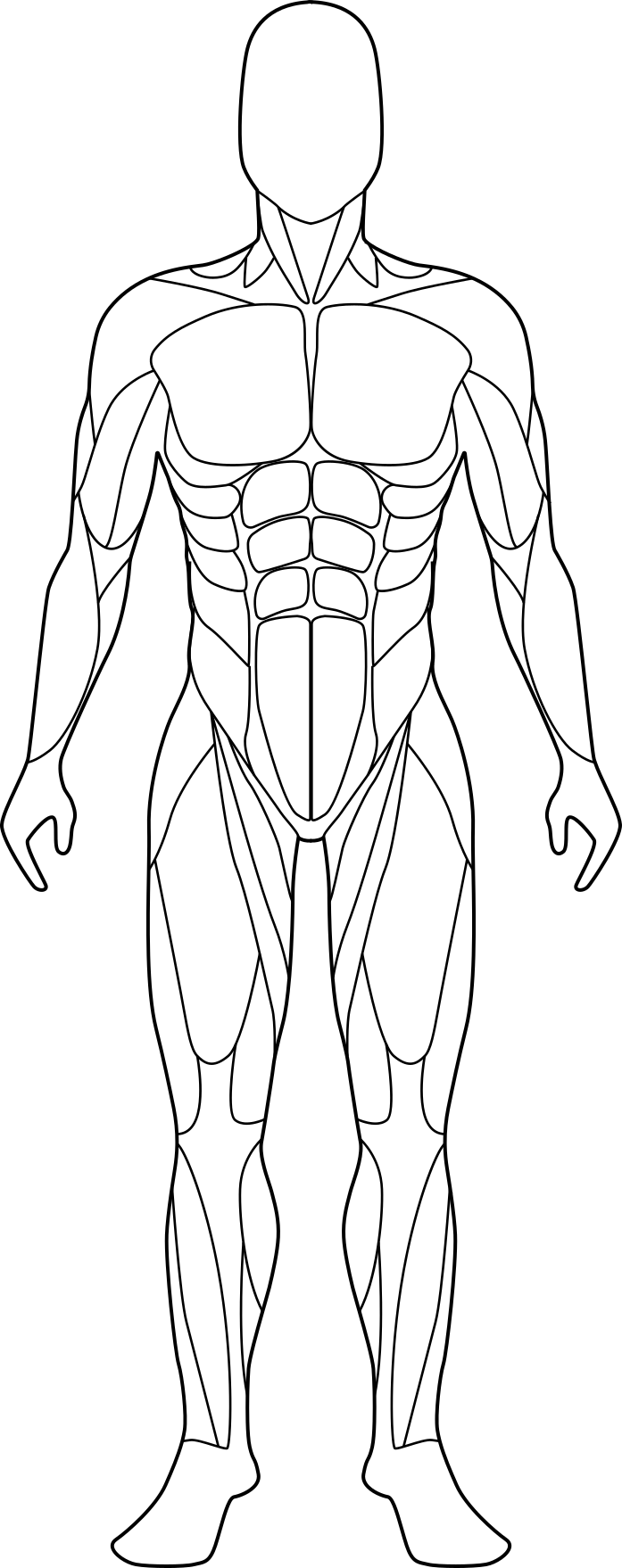
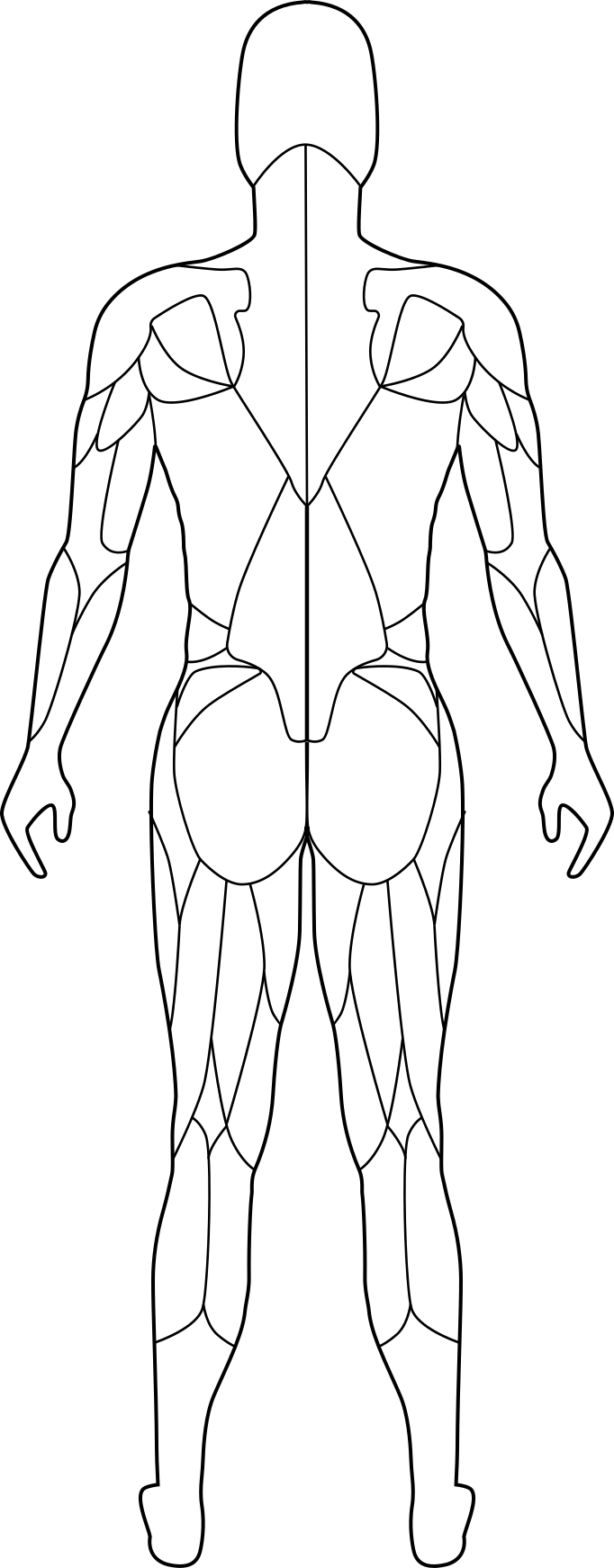
The Bayesian cable Curl (Standing Bicep behind torso) mainly works your biceps, with your forearms and abs helping.


Setting up
- Set the pulley at the lowest position and attach a single D-handle. Start with a light weight, around 5 to 10 kg for most people, as this feels harder than a normal curl.
- Stand facing away from the stack, holding the handle in one hand. Take one or two steps forward so the cable is tight and your arm is pulled slightly behind your torso.
- Use a staggered stance, with the foot on the side opposite your working arm slightly forward. Lean a touch forward from the hips, keeping your chest tall and your free hand on your hip or resting on your thigh.
- Turn your palm to face forward, grip the handle firmly and brace your stomach as if you are about to be nudged. You should feel the cable trying to pull you backwards.
How to do the Bayesian cable Curl (Standing Bicep behind torso)
- Start with your working arm straight and slightly behind your body, with tension on the cable and a stretch through the front of your upper arm.
- Brace your abs and keep your upper arm still and behind your torso.
- Bend your elbow and curl the handle up towards your shoulder, moving only at the elbow.
- Stop when your forearm is close to vertical or your hand is near shoulder height, then squeeze your biceps for a second.
- Lower the handle slowly over about three seconds, keeping the elbow in the same place.
- Let your arm return fully to the stretched position without letting the weight stack touch down, then start the next rep. Finish all reps on one arm before swapping.
Form tips
- Think of your elbow as fixed in place behind you. Only the forearm should move.
- Pause briefly at the bottom of each rep so you feel the stretch in your biceps rather than bouncing out of it.
- Grip the handle firmly but do not crush it, so your forearm stays working without taking over from your biceps.
- Keep your ribs down and your stomach braced so the cable does not pull you into an arched back.
- Choose a weight you can lift for the full set with a smooth curl and a slow lower. If you have to lean or swing, it is too heavy.
Common mistakes
Elbow drifting forward
Once the elbow moves in front of your body, the cable tension drops and you lose the point of the exercise. Lighten the weight and keep your upper arm still behind your torso.
Leaning and swinging the body
Using momentum takes work away from the biceps and puts strain on your lower back. Brace your abs, keep your chest tall and reduce the weight until you can curl without rocking.
Cutting the stretch short
Stopping halfway down means you miss the main benefit of this variation. Lower until your arm is fully straight and you feel a stretch, then curl again under control.
Going too heavy
Heavy weights make you step back, twist or jerk the handle up. Use a load that lets you control both the lifting and lowering phases for every rep.
Sets and reps
| Build strength | 3-4 sets of 6-8 reps per arm with a challenging but controlled weight, resting 90-120 seconds. Add a little weight only when every rep looks the same as your first. |
|---|---|
| Build muscle | 3-4 sets of 8-12 reps per arm, 60-90 seconds rest, lowering slowly over about three seconds. Do it once or twice a week after your main pulling exercises. |
| Fat loss and general fitness | 2-3 sets of 12-15 reps per arm with a lighter weight, resting 45-60 seconds. Use it as part of a full-body programme alongside bigger exercises and regular walking or cardio. |
Pick a weight where the last rep or two of each set is hard but your form stays clean. When every set feels easy, it's time to go up.
Bayesian cable Curl (Standing Bicep behind torso) alternatives
Machine taken, or want some variety? These work the same main muscles.
Bayesian cable Curl (Standing Bicep behind torso) FAQs
What is the difference between a Bayesian curl and a normal cable curl?
In a Bayesian curl you face away from the machine, so your arm starts behind your torso. This puts the biceps in a stretched position under load from the first rep. A normal cable curl has your arm hanging by your side, so there is less stretch at the bottom.
How heavy should I go on Bayesian cable curls?
Start lighter than you think, often 5 to 10 kg, as the stretched start position makes it feel harder. Pick a weight where you can finish your reps with a still elbow and a slow lower, with 2 or 3 reps left in reserve.
Can I do Bayesian curls with both arms at once?
Most people do them one arm at a time, as it is easier to set up and keep your balance. You can use two cable stations facing away from each other, but the single-arm version lets you focus on each side. Stop if you feel any pain and get it checked.
Track your Bayesian cable Curl (Standing Bicep behind torso) progress
GymTracker builds your plan, pre-fills the weight from last time and tells you when to go up. Free.
Start free