
Assault Bike
The assault bike is an air-resistance bike with moving handles, so your arms and legs drive the fan together. The harder you push, the harder it gets. It builds conditioning and works your quads, shoulders, arms, hamstrings and calves. It suits beginners who pace themselves and experienced gym-goers who want short, hard intervals.
Muscles worked
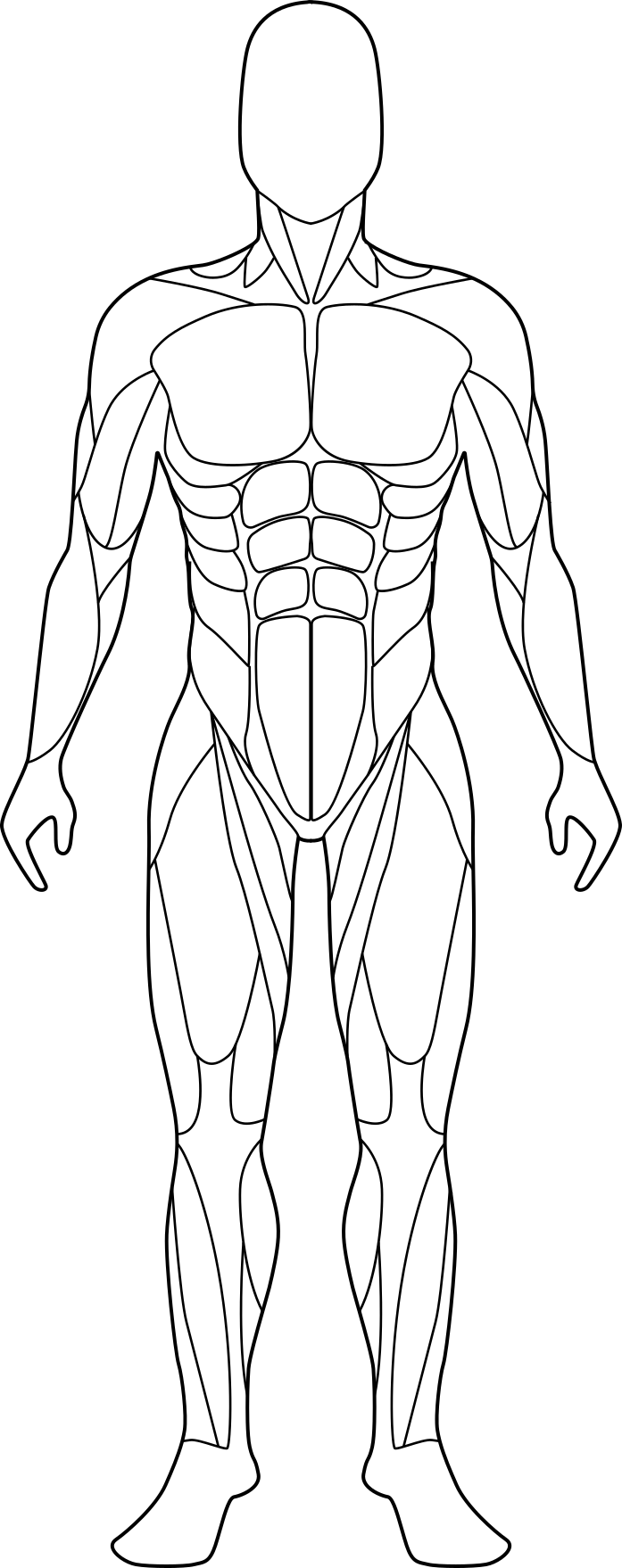
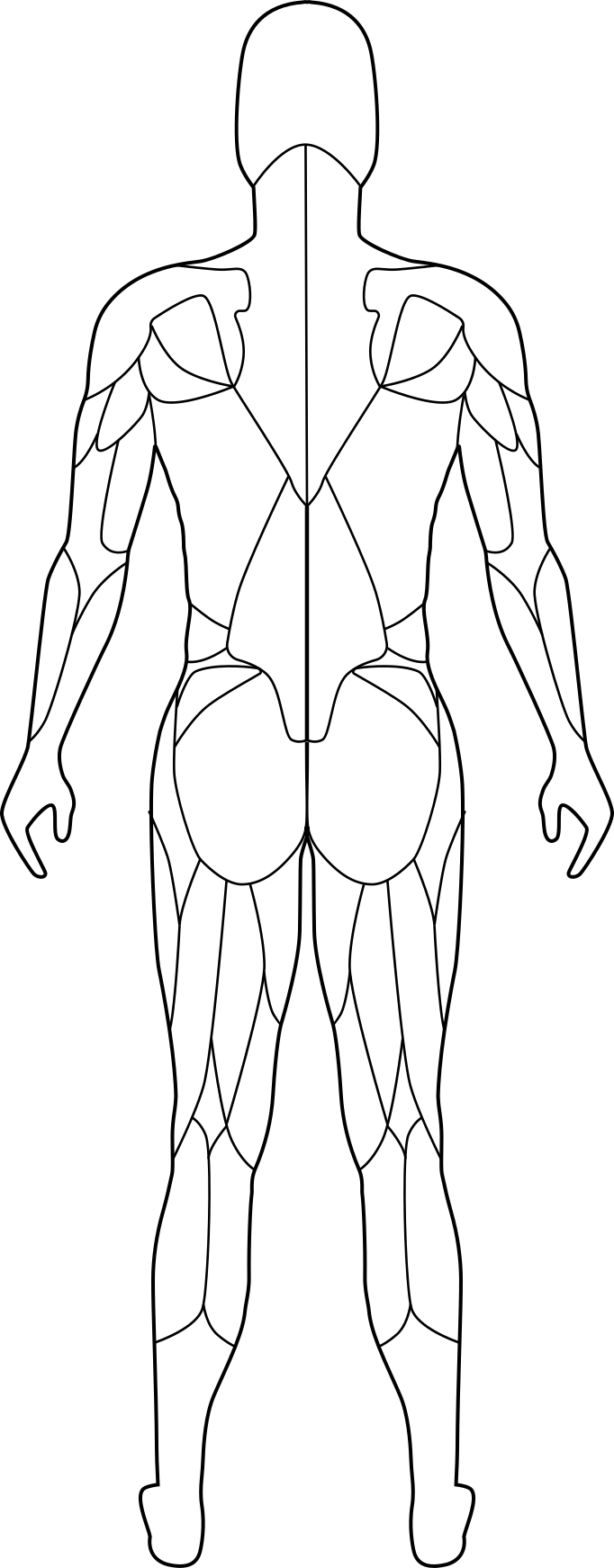
The Assault Bike mainly works your quadriceps, anterior delts, lateral delts and posterior delts, with your biceps, triceps, hamstrings and calves helping.


Setting up
- Set the seat height so your knee has a slight bend when the pedal is at its lowest point. You shouldn't be reaching for the pedal, and your hips shouldn't rock side to side. If your bike adjusts forwards and backwards, set the seat so your knees track over your feet.
- Place the middle of each foot over the pedal, with the ball of your foot roughly over the axle. Wear flat, firm-soled trainers and use the pedal straps if your bike has them.
- Sit tall and hold the handles lightly with your arms slightly bent. Keep your shoulders down and away from your ears.
- Check the console is on and set to the display or timer you want, and make sure the fan area is clear of loose clothing and bags.
How to do the Assault Bike
- Sit on the seat, grip the handles and start pedalling at an easy pace for a minute or two. Let the fan build up speed gradually.
- Push through the pedals with your quads while your hamstrings and calves help the legs turn smoothly. Keep your knees pointing forwards, not drifting in or out.
- Add the arms by pushing one handle away as you pull the other towards you. Time this with the opposite leg so the whole movement feels like one smooth rhythm.
- Raise the effort by pushing and pulling harder and pedalling faster. Your shoulders and arms should be working with your legs, not just holding on.
- Work in your planned pattern, such as steady pedalling or hard efforts followed by easy recovery. Keep your chest tall and your breathing as controlled as you can.
- Finish by slowing down gradually. Keep pedalling easily for 2-3 minutes until your breathing settles, then stop and step off carefully.
Form tips
- Think of pushing the pedals down and pulling the handles back at the same time. Legs and arms should share the work rather than one side taking over.
- Hold the handles firmly enough to pull on them but keep your grip relaxed. A white-knuckle grip tires your forearms and biceps early.
- Sit tall with your shoulders relaxed. Your shoulders will work hard, so don't let them creep up towards your ears.
- Pace yourself. Because the bike gets harder the faster you go, a hard first 10 seconds can leave you unable to finish the session.
- Use the console numbers, such as RPM, watts or calories, to track your efforts. Try to repeat or slightly improve them over time.
Common mistakes
Seat set too low or too high
If your knees are very bent at the bottom of the stroke, raise the seat. If your hips rock side to side to reach the pedals, lower it. You want a slight bend in the knee at the lowest point of the pedal.
Going all out from the start
Build up over the first minute or two and pick an effort you can repeat. For intervals, make sure the last effort looks similar to the first.
Only using the legs or only the arms
Match your pushing and pulling with each pedal stroke. If your arms feel idle, drive the handles harder. If your shoulders are doing everything, focus on pushing through the pedals.
Hunching and gripping too tightly
Sit tall, drop your shoulders and relax your hands so you can pull on the handles without tensing your neck and forearms.
How long and how hard
| Fat loss | 10-20 minutes of intervals: 20-30 seconds hard, 60-90 seconds easy pedalling. Do this 1-2 times a week, with a 3-5 minute easy warm-up and cool-down. |
|---|---|
| General fitness | 15-30 minutes at a steady, moderate effort where you can talk in short sentences. Aim for 1-3 sessions a week, increasing the time gradually. |
| Warm-up | 3-5 minutes at an easy to moderate pace, with a couple of short 5-10 second pushes at the end if you feel ready. Keep it light enough that you finish ready to lift. |
Assault Bike alternatives
Machine taken, or want some variety? These work the same main muscles.
Assault Bike FAQs
How long should I use the assault bike for?
Beginners can start with 5-10 minutes of steady pedalling or a few short intervals with plenty of rest. As you get fitter you can build towards 15-30 minutes steady or 10-20 minutes of intervals. Stop if you feel dizzy or unwell.
Is the assault bike harder than a normal exercise bike?
It often feels harder because the fan resistance rises the faster you go, and you're using your arms as well as your legs. That makes it very easy to push too hard too early, so start gently and use rest periods. You can always go easier by slowing down.
Can I just use my legs on the assault bike?
The handles move with the pedals, so you can't fully switch the arms off. You can keep your arms relaxed and let them move along while your legs do most of the work, which is fine for easier sessions. For harder efforts, push and pull the handles to share the load.
Track your Assault Bike progress
GymTracker builds your plan, pre-fills the weight from last time and tells you when to go up. Free.
Start free